ancillaries a - RTR-Imperium-Surrectum/ris-wiki GitHub Wiki
← all retinue · all traits · wiki index
74 retinue members whose name begins with A. A · B · C · D · E · F · G · H · I · J · K · L · M · N · O · P · Q · R · S · T · U · V · W · X · Y · Z
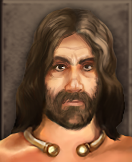 unique (one in the world at a time) · never alongside Barbarian Hostage · never for 13 of the cultures.
Effects: +1 Combat vs Phoenician, +1 Influence, -5 Bribe Resistance
A noble from Hispania, originally a friend of Carthage. He betrayed his fellow native hostages at Saguntum, who were in the power of the Carthaginians, to the Romans, after deceiving the Carthaginian.
Cultures that never receive it (13)
Greek · Western Hellenistic · Eastern Hellenistic · Caucasian · Anatolian · Iranian · Arab · Indian · Phoenician · Libyan · Egyptian · Ethiopian · Roman
How it is gained: at the end of the character's turn
| When | Chance | Conditions |
|---|---|---|
| at the end of the character's turn | 40% | does not belong to Free Peoples · belongs to Arevaci · his faction is allied with Rome · is a general · from turn 202 on · before turn 284 |
 unique (one in the world at a time) · never alongside Historian, Foreign Affairs Scholar.
Effects: +1 Combat vs Caucasian, +1 Influence
A Greek historian, was the author of an History of the Chaldeans and Assyrians (Assyriaka) which were particularly valuable for chronology. He also wrote concerning Cyprus, Delos, Attica, and Arabia.
How it is gained: at the end of the character's turn
| When | Chance | Conditions |
|---|---|---|
| at the end of the character's turn | 40% | does not belong to Free Peoples · ended the turn in a settlement · over 90% of his movement left · the settlement has Academy (Civic) or better · not of Gallic culture · not of Celtiberian culture · not of Brittonic culture · not of Germanic culture · not of Dacian culture · not of Thracian culture · not of Scythian culture · is a general · from turn 202 on · before turn 404 · Influence above 4 |
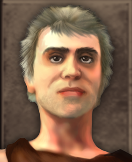
Effects: +1 Subterfuge, -1 Personal Security
Knowing someone with inside information can be of great assistance. But a man who can be bought is not to be trusted.
Acquisition is tied to the trait: Sneaky.
How it is gained: at the end of the character's turn
| When | Chance | Conditions |
|---|---|---|
| at the end of the character's turn | 1% | does not belong to Free Peoples · in enemy lands · is not a general · is not a family member · is not a diplomat · is not an admiral · has less than level 4 of Sneaky |
 never alongside Scribe Steward, Freeman Clerk, Treasurer · never for 7 of the cultures.
Effects: +5 Trading
Accountants trained in the temple, and experienced in keeping records of trade and property, can greatly assist a governor in his book-keeping.
Acquisition is tied to traits: Administrator, Understands Mathematics, Resourceful, Cultured.
Cultures that never receive it (7)
Gallic · Germanic · Dacian · Celtiberian · Brittonic · Thracian · Roman
How it is gained: ending a turn in a settlement
| When | Chance | Conditions |
|---|---|---|
| ending a turn in a settlement | 10% | does not belong to Free Peoples · has Cultured at level 2 or higher · over 90% of his movement left (plus hidden conditions) |
| ending a turn in a settlement | 2% | does not belong to Free Peoples · over 90% of his movement left · has Administrator at level 2 or higher (plus hidden conditions) |
| ending a turn in a settlement | 2% | does not belong to Free Peoples · over 90% of his movement left · has Resourceful at level 1 (plus hidden conditions) |
| ending a turn in a settlement | 2% | does not belong to Free Peoples · has Understands Mathematics at level 2 or higher · over 90% of his movement left |
| ending a turn in a settlement | 2% | does not belong to Free Peoples · has Administrator · over 90% of his movement left · the settlement has Treasury or better · has Cultured |
| ending a turn in a settlement | 2% | does not belong to Free Peoples · has Administrator · over 90% of his movement left · the settlement has State Mint (Civic) · has Cultured |
 unique (one in the world at a time) · never alongside Egyptian Turncoat, Mathematician · never for 18 of the cultures.
Effects: +1 Combat vs Egyptian, +1 Management
A wise man who known a lot about ancient Egypt’s history and its calendar. You could learn a lot about Egyptian and their calendar from him.
Acquisition is tied to the trait: Despises Greeks.
Cultures that never receive it (18)
Greek · Western Hellenistic · Eastern Hellenistic · Caucasian · Anatolian · Iranian · Arab · Indian · Phoenician · Libyan · Gallic · Germanic · Dacian · Celtiberian · Brittonic · Thracian · Egyptian · Ethiopian
How it is gained: at the end of the character's turn
| When | Chance | Conditions |
|---|---|---|
| at the end of the character's turn | 40% | does not belong to Free Peoples · ended the turn in a settlement · over 90% of his movement left · the settlement has Academy (Civic) or better · is a general · from turn 722 on · before turn 964 · does not have Despises Greeks |
 never for 11 of the cultures.
Effects: +1 Influence
"An Actor?! An Actor? I am not merely an actor! I, sir, am a thespian of the highest order! The gods themselves weep at my performances, and mortals? They tremble in awe! None shall match my great gestures and prose!
Acquisition is tied to the trait: Huge Drama Fan.
Cultures that never receive it (11)
Gallic · Germanic · Dacian · Celtiberian · Brittonic · Phoenician · Libyan · Scythian · Caucasian · Anatolian · Iranian
How it is gained: ending a turn in a settlement
| When | Chance | Conditions |
|---|---|---|
| ending a turn in a settlement | 1% | does not belong to Free Peoples · is a general · over 90% of his movement left · the settlement has Town Theatre (Leisure) or better · has Huge Drama Fan |
| ending a turn in a settlement | 2% | does not belong to Free Peoples · has Huge Drama Fan · over 90% of his movement left · the settlement has Arena (Leisure) or better |
 never alongside Aedile, Consul, Consul · never for 18 of the cultures.
Effects: +2 Loyalty, +1 Negotiation, +1 Management, +1 Law
This man holds the Senatorial office of aedile. An aedile is responsible for maintenance of public buildings and regulation of public festivals. He also has the power to enforce public order. Half of the aediles are from the ranks of the plebeians and half are from patrician families.
Cultures that never receive it (18)
Gallic · Germanic · Dacian · Celtiberian · Brittonic · Thracian · Phoenician · Libyan · Caucasian · Anatolian · Iranian · Arab · Indian · Egyptian · Ethiopian · Greek · Western Hellenistic · Eastern Hellenistic
Granted by events.
never alongside Aedile, Consul, Consul · never for 18 of the cultures.
Effects: +2 Loyalty, +1 Negotiation, +1 Management, +1 Law
This man holds the Senatorial office of aedile. An aedile is responsible for maintenance of public buildings and regulation of public festivals. He also has the power to enforce public order. Half of the aediles are from the ranks of the plebeians and half are from patrician families.
Cultures that never receive it (18)
Gallic · Germanic · Dacian · Celtiberian · Brittonic · Thracian · Phoenician · Libyan · Caucasian · Anatolian · Iranian · Arab · Indian · Egyptian · Ethiopian · Greek · Western Hellenistic · Eastern Hellenistic
Granted by events.
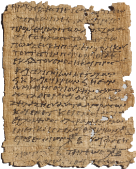
Effects: +1 Siege Defence
Aineas Taktikos was a general who lived in the Classical times, although nobody is certain as to the exact dates of his birth and death, who wrote a number of treatises on the subject of warfare. King Pyrrhos is reputed to have been one of his admirers. “Poliorketike” is a monograph outlining measures a commander is to take when under siege. Since Alexander, siege craft has evolved greatly, so one will not find in Aineas’ book the most useful counter-measures against wall-shattering ballistas or tunneling, but the wise general will heed his advice on how to deal with faction and treachery, as dangerous now as it had been in his times.
Acquisition is tied to the trait: Interested in Military Arts.
How it is gained: ending a turn in a settlement
| When | Chance | Conditions |
|---|---|---|
| ending a turn in a settlement | 1% | does not belong to Free Peoples · has Interested in Military Arts · over 90% of his movement left · the settlement has Small School (Civic) or better · no one in his faction has Aeneas - The Tactician’s · is a general |
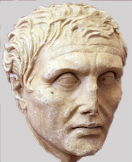 unique (one in the world at a time) · never alongside Judge, Honest Man.
Effects: +2 Management, +2 Unrest, -2 Law
A Greek skeptical philosopher, he taught in Alexandria and flourished shortly after the life of Cicero. His school is most commonly referred to as Pyrrhonism, but also as the third skeptic school. His chief work, the Pyrrhoneia discussed four main ideas: the reasons for scepticism and doubt, arguments against causality and truth, a physical theory and an ethical theory.
Granted by events.
 never alongside Thralls, Helots, Turncoat Slave · never for 11 of the cultures.
Effects: +1 Line of Sight
A slave from Africa, who diligently uses his skill of wilderness survival in hope of winning his own freedom someday.
Cultures that never receive it (11)
Gallic · Germanic · Dacian · Celtiberian · Brittonic · Thracian · Caucasian · Anatolian · Iranian · Arab · Indian
How it is gained: on enslaving a captured city
| When | Chance | Conditions |
|---|---|---|
| on enslaving a captured city | 2% | in Hadrumetum |
| on enslaving a captured city | 2% | in Capsa |
| on enslaving a captured city | 2% | in Hippo |
| on enslaving a captured city | 2% | in Siga |
| on enslaving a captured city | 2% | in Iol |
| on enslaving a captured city | 2% | in Tingi |
| on enslaving a captured city | 2% | in Cirta |
| on enslaving a captured city | 2% | in Leptis |
| on enslaving a captured city | 2% | in Volubilis |
| on enslaving a captured city | 2% | in Kyrene |
| on enslaving a captured city | 2% | in Gira |
| on enslaving a captured city | 2% | in Garama |
| on enslaving a captured city | 2% | in Augila |
| on enslaving a captured city | 2% | in Paraitonion |
| on enslaving a captured city | 2% | in Memphis |
| on enslaving a captured city | 2% | in Alexandria |
| on enslaving a captured city | 2% | in Pelousion |
| on enslaving a captured city | 2% | in Thebes-Megale Diospolis |
| on enslaving a captured city | 2% | in Carthage |
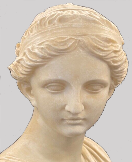 unique (one in the world at a time) · never alongside Hetaira, Renowned Courtesan.
Effects: +1 Influence, -1 Fertility
A female grammarian who wrote about Homer, she had belonged to the hetaerae class…Beautiful and wise, very nice for accompany with you to the agora.
Acquisition is tied to the trait: Casual Adulterer.
How it is gained: at the end of the character's turn
| When | Chance | Conditions |
|---|---|---|
| at the end of the character's turn | 20% | does not belong to Free Peoples · ended the turn in a settlement · over 90% of his movement left · the settlement has Small School (Civic) or better · not of Gallic culture · not of Celtiberian culture · not of Brittonic culture · not of Germanic culture · not of Dacian culture · not of Thracian culture · not of Scythian culture · is a general · from turn 322 on · before turn 724 · has Casual Adulterer at level 2 or higher |
 unique (one in the world at a time) · never for 6 of the cultures.
Effects: +4 Movement Points, +1 Combat vs Gallic
Peripatetic philosopher, geographer, historian, traveller and naturalist. This restless individual is working on several books describing the world and all that lives in it. A useful man on campaign.
Acquisition is tied to the trait: Lively.
How it is gained: ending a turn in a settlement, at the end of the character's turn
| When | Chance | Conditions |
|---|---|---|
| ending a turn in a settlement | 40% | does not belong to Free Peoples · is a general · over 90% of his movement left · the settlement has Academy (Civic) or better · from turn 442 on · before turn 604 |
| at the end of the character's turn | 20% | does not belong to Free Peoples · ended the turn in a settlement · over 90% of his movement left · the settlement has Academy (Civic) or better · not of Gallic culture · not of Celtiberian culture · not of Brittonic culture · not of Germanic culture · not of Dacian culture · not of Thracian culture · not of Scythian culture · is a general · from turn 54 on · before turn 276 · has Lively at level 2 or higher |
 unique (one in the world at a time) · never alongside Sosibius, Mistress · never for 17 of the cultures.
Effects: -1 Command, +1 Influence, -4 Personal Security, -20 Tax Collection
Sister and Brother, Agathoclea was a mistress of the profligate Ptolemy IV Philopator, King of Egypt while Agathocles was his no less profligate minister. They both exercised the most unbounded influence over the king and corrupt the empire.
Acquisition is tied to the trait: Immoral.
Cultures that never receive it (17)
Greek · Western Hellenistic · Eastern Hellenistic · Caucasian · Anatolian · Iranian · Arab · Indian · Phoenician · Libyan · Gallic · Germanic · Dacian · Celtiberian · Brittonic · Thracian · Roman
How it is gained: at the end of the character's turn
| When | Chance | Conditions |
|---|---|---|
| at the end of the character's turn | 40% | does not belong to Free Peoples · ended the turn in a settlement · over 90% of his movement left · belongs to Ptolemaic Empire · Management below 3 · is the faction leader · from turn 202 on · before turn 324 · has Immoral at level 2 or higher |
unique (one in the world at a time) · never alongside Astronomy Scholar, Witch.
Effects: +1 Influence, -2 Law
The first female astronomer in ancient Greece. She was regarded as a sorceress for her ability to make the moon disappear from the sky. Although this ability isn’t magic at all but it to good use this manipulated those ignorant folks.
Granted by events.
 never for 18 of the cultures.
Effects: +1 Farming
This man has spent years with his nose buried in farming scrolls. He knows more about dirt and crops than you’d ever care to, and he’s not shy about telling everyone the proper way to rotate their fields or prune their olive trees.
Acquisition is tied to traits: Educated in Carthage, Grower.
Cultures that never receive it (18)
Gallic · Germanic · Dacian · Celtiberian · Brittonic · Thracian · Greek · Western Hellenistic · Eastern Hellenistic · Caucasian · Anatolian · Iranian · Arab · Indian · Egyptian · Ethiopian · Roman · Illyrian
How it is gained: ending a turn in a settlement, on coming of age
| When | Chance | Conditions |
|---|---|---|
| ending a turn in a settlement | 1% | does not belong to Free Peoples · has Grower · over 90% of his movement left · the settlement has Basin Irrigation (Crops) or better · the settlement has Small School (Civic) or better · of Phoenician culture |
| ending a turn in a settlement | 1% | does not belong to Free Peoples · has Grower · over 90% of his movement left · the settlement has Contour Furrows (Crops) or better · the settlement has Small School (Civic) or better · of Phoenician culture |
| ending a turn in a settlement | 1% | does not belong to Free Peoples · has Grower · over 90% of his movement left · the settlement has Marsh Drainage Channels (Crops) or better · the settlement has Small School (Civic) or better · of Phoenician culture |
| ending a turn in a settlement | 1% | does not belong to Free Peoples · has Grower · over 90% of his movement left · the settlement has Assart Clearings (Crops) or better · the settlement has Small School (Civic) or better · of Phoenician culture |
| ending a turn in a settlement | 1% | does not belong to Free Peoples · has Grower · over 90% of his movement left · the settlement has Qanat Network (Crops) or better · the settlement has Small School (Civic) or better · of Phoenician culture |
| on coming of age | 20% | has Educated in Carthage at level 1 · 10% chance |
 never for 12 of the cultures.
Effects: +1 Farming
The gods may rule the skies, but it’s men like him who rule the earth. Rich soil, tender hands, and a little rain, and lo! Behold the bounty that makes even kings envious.
Acquisition is tied to the trait: Attuned Governor.
Cultures that never receive it (12)
Gallic · Germanic · Dacian · Celtiberian · Brittonic · Thracian · Scythian · Caucasian · Anatolian · Iranian · Arab · Indian
How it is gained: ending a turn in a settlement
| When | Chance | Conditions |
|---|---|---|
| ending a turn in a settlement | 1% | does not belong to Free Peoples · is a general · over 90% of his movement left · the settlement has Canal Network (Crops) or better |
| ending a turn in a settlement | 1% | does not belong to Free Peoples · has Attuned Governor · over 90% of his movement left · in a Farm level 11 region |
| ending a turn in a settlement | 1% | does not belong to Free Peoples · has Attuned Governor · over 90% of his movement left · in a Farm level 12 region |
| ending a turn in a settlement | 1% | does not belong to Free Peoples · has Attuned Governor · over 90% of his movement left · in a Farm level 13 region |
| ending a turn in a settlement | 1% | does not belong to Free Peoples · has Attuned Governor · over 90% of his movement left · in a Farm level 14 region |
| ending a turn in a settlement | 1% | does not belong to Free Peoples · is a general · over 90% of his movement left · the settlement has Contour Furrows (Crops) or better |
| ending a turn in a settlement | 1% | does not belong to Free Peoples · is a general · over 90% of his movement left · the settlement has Rotational Grove Fields (Crops) or better |
| ending a turn in a settlement | 2% | does not belong to Free Peoples · is a general · over 90% of his movement left · the settlement has Irrigation Aqueducts (Crops) or better · 10% chance |
| ending a turn in a settlement | 2% | does not belong to Free Peoples · over 90% of his movement left · the settlement has Small School (Civic) or better · the settlement has Rotational Grove Fields (Crops) or better · 10% chance · is a general |
| ending a turn in a settlement | 2% | does not belong to Free Peoples · over 90% of his movement left · the settlement has Small School (Civic) or better · the settlement has Irrigation Ditches (Crops) or better · 10% chance · is a general |
| ending a turn in a settlement | 2% | does not belong to Free Peoples · over 90% of his movement left · the settlement has Small School (Civic) or better · the settlement has Assart Clearings (Crops) or better · 10% chance · is a general |
| ending a turn in a settlement | 2% | does not belong to Free Peoples · over 90% of his movement left · the settlement has Small School (Civic) or better · the settlement has Marsh Drainage Channels (Crops) or better · 10% chance · is a general |
| ending a turn in a settlement | 2% | does not belong to Free Peoples · over 90% of his movement left · the settlement has Small School (Civic) or better · the settlement has Land Clearance (Crops) or better · 10% chance · is a general |
never alongside Military Treatise, Political Treatise.
Effects: +1 Farming
With Carthage being one of the biggest agricultural states in the known world, it is not a surprise that several agronomists among the Carthaginians have put their knowledge into valuable new treatises. This is one such agricultural treatise, covering many topics, from property relations to the most effective farming techniques.
Acquisition is tied to traits: Grower, Cultured.
How it is gained: ending a turn in a settlement
| When | Chance | Conditions |
|---|---|---|
| ending a turn in a settlement | 1% | does not belong to Free Peoples · belongs to Carthage · has Cultured at level 2 or higher · the settlement has Small School (Civic) or better · has Grower |
Effects: +1 Influence, +1 Popular Standing
Aeschylus he is often described as the father of tragedy our knowledge of the genre begins with his work and our understanding of earlier tragedies is largely based on inferences from his surviving plays. According to Aristotle, he expanded the number of characters in plays to allow for conflict amongst them, whereas previously characters had interacted only with the chorus.
Acquisition is tied to the trait: Curious about Humanities.
How it is gained: ending a turn in a settlement
| When | Chance | Conditions |
|---|---|---|
| ending a turn in a settlement | 1% | does not belong to Free Peoples · has Curious about Humanities · over 90% of his movement left · the settlement has Small School (Civic) or better · no one in his faction has Aiskhylos - Tragedies · is a general |
unique (one in the world at a time) · never alongside Artist, Sculptor.
Effects: +1 Influence, +1 Troop Morale, +10 Construction
Alexandros was a wandering artist who worked on commission and seem to have some fame for his composing and singing skill but on skill he use for earn the living was rather somebody. When he sculpting this statue of Aphrodite, he told me that he would be famous someday by this work. Hmm…maybe it would take about two thousand years, perhaps?
Acquisition is tied to the trait: Lover of Beauty.
How it is gained: at the end of the character's turn
| When | Chance | Conditions |
|---|---|---|
| at the end of the character's turn | 40% | does not belong to Free Peoples · ended the turn in a settlement · over 90% of his movement left · the settlement has Large Forum or better · not of Gallic culture · not of Celtiberian culture · not of Brittonic culture · not of Germanic culture · not of Dacian culture · not of Thracian culture · not of Scythian culture · is a general · from turn 722 on · before turn 924 · has Lover of Beauty at level 2 or higher |
unique (one in the world at a time) · never alongside Evil Mother-in-Law, Overbearing Mother · never for 17 of the cultures.
Effects: +1 Command, +2 Troop Morale, +2 Training Units, +4 Mining, +2 Naval Command
Crown Princess and later became Empress of Kush. She lead Nubian army and stop foreign expansion into Nubia and even push war back into their own territory, no matter how strong her foreign enemy is. It would be better to has peace and allied with her rather than become her enemy.
Cultures that never receive it (17)
Greek · Western Hellenistic · Eastern Hellenistic · Caucasian · Anatolian · Iranian · Arab · Indian · Phoenician · Libyan · Gallic · Germanic · Dacian · Celtiberian · Brittonic · Thracian · Roman
Granted by events.
never for 8 of the cultures.
Effects: +1 Influence, +5 Trading
This merchant is an agent of the Amber Road, an ancient trade route. As a vital component of ornamental objects, amber is transported from the North Sea and Baltic Sea coasts overland by way of great rivers to the Mediterranean countries and the Black Sea.
Acquisition is tied to the trait: Lively.
Cultures that never receive it (8)
Libyan · Greek · Western Hellenistic · Caucasian · Anatolian · Indian · Egyptian · Ethiopian
How it is gained: ending a turn in a settlement
| When | Chance | Conditions |
|---|---|---|
| ending a turn in a settlement | 2% | does not belong to Free Peoples · over 90% of his movement left · the settlement has Forum or better · has Lively |
| ending a turn in a settlement | 2% | does not belong to Free Peoples · over 90% of his movement left · the settlement has Forum or better · the settlement has Jewellery Crafter (Industry) or better · has Lively |
 unique (one in the world at a time) · never alongside Librarian, Sophist · never for 16 of the cultures.
Effects: +1 Management
Macedonian lexicographer, known for his compilation of a Glossary. Αn other of his works was called Rhizotomikos, an etymological treatise.
Cultures that never receive it (16)
Roman · Caucasian · Anatolian · Iranian · Arab · Indian · Phoenician · Libyan · Gallic · Germanic · Dacian · Celtiberian · Brittonic · Thracian · Egyptian · Ethiopian
Granted by events.
unique (one in the world at a time) · never alongside Physician, Magician.
Effects: +1 Management, +1 Influence, +10 Battle Surgery, -2 Law
A physician and Pythagorean philosopher. He was banished from Rome on the charge of practicing magic. Anaxilaus wrote about the "magical" properties of minerals, herbs, and other substances and derived drugs. Some believe his exceptional knowledge of natural science allowed him to produce tricks that were mistaken for magic.
Granted by events.
unique (one in the world at a time) · never alongside Astronomy Scholar, Inventor.
Effects: +1 Management, +1 Farming
A Greek astronomer who built a horologium at Athens, the so-called Tower of the Winds…His design worth copy to other cities to help calculated month season and year.
Acquisition is tied to the trait: Rational Beliefs.
How it is gained: at the end of the character's turn
| When | Chance | Conditions |
|---|---|---|
| at the end of the character's turn | 40% | does not belong to Free Peoples · ended the turn in a settlement · over 90% of his movement left · the settlement has Great Academy (Civic) or better · not of Gallic culture · not of Celtiberian culture · not of Brittonic culture · not of Germanic culture · not of Dacian culture · not of Thracian culture · not of Scythian culture · is a general · from turn 722 on · before turn 944 · has Rational Beliefs |
unique (one in the world at a time) · never alongside Famous Warrior, Veteran Warrior · never for 13 of the cultures.
Effects: +2 Attack, +10 Looting, +2 Bodyguard Valour, +2 Naval Command
Both of these guys are buddy and leaders of the Gaesatae, the bravest Gallic warriors who fight the battle in birthday suit. Don’t be silly to ask them who is the bigger boss as this would cause a useless quarrel whole day for nothing.
Cultures that never receive it (13)
Greek · Western Hellenistic · Eastern Hellenistic · Caucasian · Anatolian · Iranian · Arab · Indian · Phoenician · Libyan · Egyptian · Ethiopian · Roman
How it is gained: on hiring mercenaries
| When | Chance | Conditions |
|---|---|---|
| on hiring mercenaries | 20% | in barbarian lands · is a general · from turn 162 on · before turn 244 |
never for 18 of the cultures.
Effects: +1 Influence
The games demand lions, tigers, and beasts of untold terror! Luckily, I’ve a fine nose for finding just the sort of creatures that make crowds scream... and emperors pleased.
Acquisition is tied to the trait: Gladiatorial Fan.
Cultures that never receive it (18)
Gallic · Germanic · Dacian · Celtiberian · Brittonic · Thracian · Phoenician · Libyan · Caucasian · Anatolian · Iranian · Arab · Indian · Egyptian · Ethiopian · Greek · Western Hellenistic · Eastern Hellenistic
How it is gained: ending a turn in a settlement
| When | Chance | Conditions |
|---|---|---|
| ending a turn in a settlement | 2% | does not belong to Free Peoples · has Gladiatorial Fan · over 90% of his movement left · the settlement has Arena (Leisure) or better |
unique (one in the world at a time).
Effects: -1 Unrest
This baker comes from Ankon, the city famed across the world for making bread from spelt grain. Where others saw a difficult grain, Ankonitan bakers developed techniques to transform the hardy spelt into nutritious and flavoured loaves.
How it is gained: ending a turn in a settlement
| When | Chance | Conditions |
|---|---|---|
| ending a turn in a settlement | 2% | does not belong to Free Peoples · in Ankon (plus hidden conditions) |
 unique (one in the world at a time) · never alongside Librarian, Wise Man.
Effects: +1 Management, +2 Movement Points
A Greek writer on various subjects, flourished in the 3rd century BC. After some time spent at Athens and in travelling, he was summoned to the court of Attalus I (241 BC-197 BC) of Pergamum. His chief work is the Lives of Philosophers drawn from personal knowledge.
Acquisition is tied to the trait: Philosophically Inclined.
How it is gained: at the end of the character's turn
| When | Chance | Conditions |
|---|---|---|
| at the end of the character's turn | 40% | does not belong to Free Peoples · ended the turn in a settlement · over 90% of his movement left · the settlement has Paved Roads or better · the settlement has Trade Port or better · not of Gallic culture · not of Celtiberian culture · not of Brittonic culture · not of Germanic culture · not of Dacian culture · not of Thracian culture · not of Scythian culture · is a general · from turn 82 on · before turn 284 · has Philosophically Inclined |
 unique (one in the world at a time) · never alongside Astronomy Scholar, Priest of Yahweh · never for 9 of the cultures.
Effects: +2 Unrest, +4 Law, +1 Judaean belief
The first scholar of whom Pharisee tradition has preserved an important theological doctrine. Antigonus points out that men's actions should not be influenced by the lowly sentiment of fear of mortals, but that there is a divine judgment of which men must stand in awe. The expression "Heaven" for "God" is the oldest evidence in postexilic Judaism of the development of the idea of a transcendental Deity.
Acquisition is tied to traits: Judaean Roots, Welcoming To Foreigners.
Cultures that never receive it (9)
Phoenician · Libyan · Gallic · Germanic · Dacian · Celtiberian · Brittonic · Thracian · Roman
How it is gained: at the end of the character's turn
| When | Chance | Conditions |
|---|---|---|
| at the end of the character's turn | 40% | does not belong to Free Peoples · ended the turn in a settlement · over 90% of his movement left · has Judaean Roots · is a general · from turn 4 on · before turn 124 · has Welcoming To Foreigners |
| at the end of the character's turn | 5% | does not belong to Free Peoples · ended the turn in a settlement · over 90% of his movement left · the settlement has Small School (Civic) or better · does not belong to Greek City States · does not belong to Antigonid Kingdom · is a general · from turn 4 on · before turn 124 · has Welcoming To Foreigners |
unique (one in the world at a time) · never alongside Astrologer.
Effects: +1 Command, -1 Management, +1 Influence
An influential Hellenistic astrologer. The works ascribed to him are a Thesaurus and possibly an introduction to astrology which is extensively quoted or paraphrased by later writers’ works.
Acquisition is tied to the trait: Rational Concerns.
How it is gained: at the end of the character's turn
| When | Chance | Conditions |
|---|---|---|
| at the end of the character's turn | 20% | does not belong to Free Peoples · ended the turn in a settlement · over 90% of his movement left · the settlement has Small School (Civic) or better · not of Gallic culture · not of Celtiberian culture · not of Brittonic culture · not of Germanic culture · not of Dacian culture · not of Thracian culture · not of Scythian culture · is a general · from turn 722 on · before turn 1148 · has Rational Concerns |
 unique (one in the world at a time) · never alongside Philosopher, Natural Philosopher · never for 13 of the cultures.
Effects: +1 Management
An Academic philosopher. He was a pupil of Philo of Larissa at the Academy, but he diverged from the scepticism of Philo and his predecessors. He was a teacher of Cicero, and the first of a new breed of eclectics among the Platonists, he endeavoured to bring the doctrines of the Stoics and the Peripatetics into Platonism, and stated, in opposition to Philo, that the mind could distinguish true from false. In doing do, he claimed to be reviving the doctrines of the Old Academy. With him began the phase of philosophy known as Middle Platonism.
Cultures that never receive it (13)
Caucasian · Anatolian · Iranian · Arab · Indian · Dacian · Celtiberian · Brittonic · Thracian · Scythian · Phoenician · Egyptian · Libyan
Granted by events.
unique (one in the world at a time) · never alongside Physician, Philosopher.
Effects: -1 Unrest, +1 Health, +1 Fertility
An ancient Greek physician and author of a work titled " On the Soul," in which he said that the soul increased, diminished, and at last perished with the body. He is the physician who is belonged to the sect of the Methodici.
Granted by events.
 unique (one in the world at a time) · never alongside Geographer, Historian · never for 7 of the cultures.
Effects: +1 Influence, +10 Trading
A Phoenician epigrammatist (150 BCE - 127 BCE) who wrote in Greek. He is attributed with the list of the Seven Wonders of the Ancient World, which he described in a poem composed about 140 BCE.
Acquisition is tied to the trait: Fluent Speaker.
Cultures that never receive it (7)
Gallic · Germanic · Dacian · Celtiberian · Brittonic · Thracian · Roman
How it is gained: at the end of the character's turn
| When | Chance | Conditions |
|---|---|---|
| at the end of the character's turn | 40% | does not belong to Free Peoples · ended the turn in a settlement · over 90% of his movement left · the settlement has Large Forum or better · is a general · from turn 522 on · before turn 616 · has Fluent Speaker |
unique (one in the world at a time) · never alongside Philosopher, Shaman.
Effects: +1 Law, +5 Bribe Resistance
A Stoic philosopher, he was the pupil and successor of Diogenes of Babylon as leader of the Stoic school, and was the teacher of Panaetius. He wrote works on the gods and on divination, and in ethics he took a higher moral ground than that of his teacher Diogenes.
Acquisition is tied to the trait: Restrained.
How it is gained: at the end of the character's turn
| When | Chance | Conditions |
|---|---|---|
| at the end of the character's turn | 40% | does not belong to Free Peoples · ended the turn in a settlement · over 90% of his movement left · the settlement has Small School (Civic) or better · not of Gallic culture · not of Celtiberian culture · not of Brittonic culture · not of Germanic culture · not of Dacian culture · not of Thracian culture · not of Scythian culture · is a general · from turn 402 on · before turn 608 · has Restrained |
| at the end of the character's turn | 40% | does not belong to Free Peoples · ended the turn in a settlement · over 90% of his movement left · the settlement has Small School (Civic) or better · not of Gallic culture · not of Celtiberian culture · not of Brittonic culture · not of Germanic culture · not of Dacian culture · not of Thracian culture · not of Scythian culture · is a general · from turn 402 on · before turn 608 · has Restrained |
never alongside Zealot, Fanatic, Aramaic Ascetic · never for 14 of the cultures.
Effects: +1 Command, -10 Trading, +1 Law
"Be prepared, people! The last battle between good and evil can begin at any moment."
Acquisition is tied to the trait: Reverent.
Cultures that never receive it (14)
Gallic · Germanic · Dacian · Celtiberian · Brittonic · Thracian · Egyptian · Ethiopian · Greek · Western Hellenistic · Eastern Hellenistic · Roman · Phoenician · Libyan
How it is gained: ending a turn in a settlement
| When | Chance | Conditions |
|---|---|---|
| ending a turn in a settlement | 2% | does not belong to Free Peoples · has Reverent at level 2 or higher · over 90% of his movement left · the settlement has Awesome Temple or better · belongs to Parni |
 never alongside Wilderness Prophet, Messianic Prophet, Prophet · never for 14 of the cultures.
Effects: +2 Command, -10 Trading, +1 Troop Morale, +2 Unrest
"Behold the man! The final war between the one true God and all evil heathen will soon come to pass."
Cultures that never receive it (14)
Gallic · Germanic · Dacian · Celtiberian · Brittonic · Thracian · Egyptian · Ethiopian · Greek · Western Hellenistic · Eastern Hellenistic · Roman · Phoenician · Libyan
Granted by events.
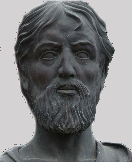 unique (one in the world at a time) · never alongside Chirugeon, Physician.
Effects: +1 Hit Points, +15 Battle Surgery
A physician belonging to the Empiricist school of thought. He studied medicine in Alexandria under the surgeon Zopyros, but he lived in Kition. Appolonius wrote several books on medicine but his most important is Peri Arthron (On Joints) which is a study of the teachings of Hippocrates on the subject.
Granted by events.
unique (one in the world at a time) · never for 6 of the cultures.
Effects: +1 Management
An eccentric mathematician and astrologer who believes the planets revolve in epicycles and eccentric orbits around us. Loony.
Acquisition is tied to the trait: Rational Concerns.
How it is gained: ending a turn in a settlement, at the end of the character's turn
| When | Chance | Conditions |
|---|---|---|
| ending a turn in a settlement | 40% | does not belong to Free Peoples · is a general · over 90% of his movement left · the settlement has Academy (Civic) or better · from turn 102 on · before turn 324 |
| at the end of the character's turn | 20% | does not belong to Free Peoples · ended the turn in a settlement · over 90% of his movement left · the settlement has Academy (Civic) or better · is a general · from turn 142 on · before turn 364 · not of Gallic culture · not of Celtiberian culture · not of Brittonic culture · not of Germanic culture · not of Dacian culture · not of Thracian culture · not of Scythian culture · has Rational Concerns |
unique (one in the world at a time) · never for 6 of the cultures.
Effects: +1 Influence
Writer of the great epic "The Argonautica". \nUse of this man's skills in writing will help increase your profile.
How it is gained: ending a turn in a settlement, at the end of the character's turn
| When | Chance | Conditions |
|---|---|---|
| ending a turn in a settlement | 40% | does not belong to Free Peoples · is a general · over 90% of his movement left · the settlement has Academy (Civic) or better · on any turn · before turn 224 |
| at the end of the character's turn | 20% | does not belong to Free Peoples · ended the turn in a settlement · over 90% of his movement left · the settlement has Academy (Civic) or better · is a general · from turn 22 on · before turn 264 · not of Gallic culture · not of Celtiberian culture · not of Brittonic culture · not of Germanic culture · not of Dacian culture · not of Thracian culture · not of Scythian culture · Influence above 4 |
never alongside Kallimachos - Epigrammata.
Effects: +1 Influence
Appolonius of Rhodes, is best known as the author of the Argonautica, an epic poem about Jason and the Argonauts and their quest for the Golden Fleece. The Argonautica was an adventure for the poet, one of the major scholars of the Alexandrian period – it was a bold experiment in re-writing Homeric epic in a way that would meet the demanding tastes of his contemporaries. According to some accounts, a hostile reception even led to his exile to Rhodes.
Acquisition is tied to traits: Curious Cartographer, Curious about Humanities.
How it is gained: ending a turn in a settlement
| When | Chance | Conditions |
|---|---|---|
| ending a turn in a settlement | 1% | does not belong to Free Peoples · has Curious about Humanities · over 90% of his movement left · the settlement has Academy (Civic) or better · no one in his faction has Appolonius of Rhodes - Argonautika · from turn 326 on · before turn 1844 |
| ending a turn in a settlement | 1% | does not belong to Free Peoples · has Curious Cartographer · over 90% of his movement left · the settlement has Academy (Civic) or better · no one in his faction has Appolonius of Rhodes - Argonautika · from turn 326 on · before turn 1844 |
never alongside Sacred Menhir Carver, Vates, Ibex Hunter · never for 14 of the cultures.
Effects: +1 Management, +1 Influence, +3 Trading, +1 Loyalty
An Arabian Pilgrim is a religious person who participates in communal pilgrimages (ziyarat) on prescribed days. The pilgrims visit various sacred sites and holy shrines dedicated to different deities.
Cultures that never receive it (14)
Gallic · Germanic · Dacian · Celtiberian · Brittonic · Thracian · Phoenician · Libyan · Greek · Western Hellenistic · Eastern Hellenistic · Egyptian · Ethiopian · Roman
Granted by events.
never alongside Apocalyptic Preacher, Zealot, Fanatic · never for 14 of the cultures.
Effects: -1 Influence, +20 Bribe Resistance
"You could not meet with god in any temple. To find him, you must go alone into the wilderness to stretch your limits and look deep into yourself as well as the surrounding nature."
Acquisition is tied to the trait: Reverent.
Cultures that never receive it (14)
Gallic · Germanic · Dacian · Celtiberian · Brittonic · Thracian · Egyptian · Ethiopian · Greek · Western Hellenistic · Eastern Hellenistic · Roman · Phoenician · Libyan
How it is gained: at the end of the character's turn
| When | Chance | Conditions |
|---|---|---|
| at the end of the character's turn | 2% | does not belong to Free Peoples · ended the turn outside a settlement · over 60% of his movement left · has Reverent · is a general |
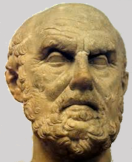 unique (one in the world at a time) · never alongside Astrologer, Poet.
Effects: +1 Farming, +1 Influence
A Greek didactic poet, known for his technical poetry. As a disciple of the Peripatetic philosopher Praxiphanes, in Athens, he met the Stoic philosopher Zeno, as well as Callimachus of Cyrene and Menedemus, the founder of the Eretrian School. His most famous poem, Phaenomena, was described the constellations and other celestial phenomena and weather lore.
Acquisition is tied to the trait: Fond of Ribald Rhymes.
How it is gained: at the end of the character's turn
| When | Chance | Conditions |
|---|---|---|
| at the end of the character's turn | 40% | does not belong to Free Peoples · ended the turn in a settlement · over 90% of his movement left · the settlement has Academy (Civic) or better · not of Gallic culture · not of Celtiberian culture · not of Brittonic culture · not of Germanic culture · not of Dacian culture · not of Thracian culture · not of Scythian culture · is a general · from turn 4 on · before turn 164 · has Fond of Ribald Rhymes |
unique (one in the world at a time) · never alongside Philosopher, Orator.
Effects: +1 Influence, -1 Law
A Greek philosopher and founder of the skeptical phase of the Academy. He was the first Academic to adopt a position of philosophical skepticism, that is, he doubted the ability of the senses to discover truth about the world, although he may have continued to believe in the existence of truth itself. His chief opponents were the Stoics and their belief that reality could be comprehended with certainty.
Granted by events.
unique (one in the world at a time) · never for 6 of the cultures.
Effects: +2 Siege Attack, +2 Siege Defence, +100 Siege Engineering
Some say "the greatest mind alive".\nAn outstanding mathematician, inventor of siege weaponry and devices for everyday use. It's a shame he's so argumentative.
Acquisition is tied to the trait: Understands Mathematics.
How it is gained: ending a turn in a settlement, at the end of the character's turn
| When | Chance | Conditions |
|---|---|---|
| ending a turn in a settlement | 40% | does not belong to Free Peoples · is a general · over 90% of his movement left · the settlement has Academy (Civic) or better · from turn 14 on · before turn 236 |
| at the end of the character's turn | 20% | does not belong to Free Peoples · ended the turn in a settlement · over 90% of his movement left · the settlement has Academy (Civic) or better · is a general · from turn 54 on · before turn 276 · not of Gallic culture · not of Celtiberian culture · not of Brittonic culture · not of Germanic culture · not of Dacian culture · not of Thracian culture · not of Scythian culture · has Understands Mathematics at level 2 or higher |
 never for 6 of the cultures.
Effects: +10 Construction, -1 Squalor
Give me stone and marble, and I’ll give you immortality. Not for you, of course, but for the great monuments that will crush your enemies under their sheer magnificence!
Acquisition is tied to the trait: Draughtsman.
How it is gained: when a building completes in the governed city, ending a turn in a settlement
| When | Chance | Conditions |
|---|---|---|
| when a building completes in the governed city | 2% | the settlement has Pro-Consul's Palace or better · has Draughtsman |
| ending a turn in a settlement | 2% | does not belong to Free Peoples · over 90% of his movement left · the settlement has Small School (Civic) or better · has Draughtsman |
unique (one in the world at a time) · never for 6 of the cultures.
Effects: +1 Command, +10 Trading
An astronomer and mathematician who thinks the Earth revolves around the sun! \nHowever mad he is, he can provide accurate measurements of distance and perform complex calculations.
Acquisition is tied to the trait: Rational Beliefs.
How it is gained: ending a turn in a settlement, at the end of the character's turn
| When | Chance | Conditions |
|---|---|---|
| ending a turn in a settlement | 40% | does not belong to Free Peoples · is a general · over 90% of his movement left · the settlement has Small School (Civic) or better · from turn 322 on · before turn 512 |
| at the end of the character's turn | 20% | does not belong to Free Peoples · ended the turn in a settlement · over 90% of his movement left · the settlement has Small School (Civic) or better · is a general · on any turn · before turn 204 · not of Gallic culture · not of Celtiberian culture · not of Brittonic culture · not of Germanic culture · not of Dacian culture · not of Thracian culture · not of Scythian culture · has Rational Beliefs at level 2 or higher |
unique (one in the world at a time) · never alongside Librarian, Wise Mentor.
Effects: +1 Management
A grammarian noted as the most influential of all scholars of Homeric poetry. He was the librarian of the library of Alexandria and seems to have succeeded his teacher Aristophanes of Byzantium in that role.
Acquisition is tied to the trait: Firm Personal Morality.
How it is gained: at the end of the character's turn
| When | Chance | Conditions |
|---|---|---|
| at the end of the character's turn | 40% | does not belong to Free Peoples · ended the turn in a settlement · over 90% of his movement left · the settlement has Mouseion and the Great Library or better · is a general · from turn 322 on · before turn 544 · not of Gallic culture · not of Celtiberian culture · not of Brittonic culture · not of Germanic culture · not of Dacian culture · not of Thracian culture · not of Scythian culture · has Firm Personal Morality |
 unique (one in the world at a time) · never alongside Aristocrat Merchant, Aristocrat Merchant.
Effects: +1 Management, +15 Tax Collection
Favoured by the administrative trade, this merchant is one of the richest and the most successful businessmen from Carthage. His company manages part of the long distance trade of the city, financing its purchases, chartering ships and assuming the cost of goods and their transport.
Acquisition is tied to traits: Estate Owner, Wealthy.
How it is gained: ending a turn in a settlement
| When | Chance | Conditions |
|---|---|---|
| ending a turn in a settlement | 1% | does not belong to Free Peoples · belongs to Carthage · in Carthage · Management above 3 · has Estate Owner · has Wealthy |
unique (one in the world at a time) · never alongside Aristocrat Merchant, Aristocrat Merchant.
Effects: +1 Management, +15 Tax Collection
Favoured by the administrative trade, this merchant is one of the richest and the most successful businessmen from Carthage. His company manages part of the long distance trade of the city, financing its purchases, chartering ships and assuming the cost of goods and their transport.
Acquisition is tied to traits: Estate Owner, Wealthy.
How it is gained: ending a turn in a settlement
| When | Chance | Conditions |
|---|---|---|
| ending a turn in a settlement | 1% | does not belong to Free Peoples · belongs to Carthage · in Carthage · Management above 3 · has Estate Owner · has Wealthy |
unique (one in the world at a time) · never alongside Aristocrat Merchant, Aristocrat Merchant.
Effects: +1 Management, +15 Tax Collection
Favoured by the administrative trade, this merchant is one of the richest and the most successful businessmen from Carthage. His company manages part of the long distance trade of the city, financing its purchases, chartering ships and assuming the cost of goods and their transport.
Acquisition is tied to traits: Estate Owner, Wealthy.
How it is gained: ending a turn in a settlement
| When | Chance | Conditions |
|---|---|---|
| ending a turn in a settlement | 1% | does not belong to Free Peoples · belongs to Carthage · in Carthage · Management above 3 · has Estate Owner · has Wealthy |
 unique (one in the world at a time) · never alongside Comedian, Playwright · never for 6 of the cultures.
Effects: +1 Influence
Peripatetic Philosopher and Poet. The deeds of the great are surely worthy of critical examination and, perhaps, a poem or an epigram?
How it is gained: ending a turn in a settlement
| When | Chance | Conditions |
|---|---|---|
| ending a turn in a settlement | 40% | does not belong to Free Peoples · is a general · over 90% of his movement left · the settlement has Small School (Civic) or better · from turn 282 on · before turn 484 |
unique (one in the world at a time) · never for 6 of the cultures.
Effects: +10 Bribe Resistance
A man who dispises the use of logic and refutes the philosophy of nature. He is both a Stoic and somewhat of a Cynic. No fun at a party.
Acquisition is tied to the trait: Restrained.
How it is gained: ending a turn in a settlement, at the end of the character's turn
| When | Chance | Conditions |
|---|---|---|
| ending a turn in a settlement | 40% | does not belong to Free Peoples · is a general · over 90% of his movement left · the settlement has Small School (Civic) or better · from turn 202 on · before turn 404 |
| at the end of the character's turn | 20% | does not belong to Free Peoples · ended the turn in a settlement · over 90% of his movement left · the settlement has Small School (Civic) or better · is a general · on any turn · before turn 204 · not of Gallic culture · not of Celtiberian culture · not of Brittonic culture · not of Germanic culture · not of Dacian culture · not of Thracian culture · not of Scythian culture · has Restrained |
| at the end of the character's turn | 20% | does not belong to Free Peoples · ended the turn in a settlement · over 90% of his movement left · the settlement has Small School (Civic) or better · is a general · on any turn · before turn 204 · not of Gallic culture · not of Celtiberian culture · not of Brittonic culture · not of Germanic culture · not of Dacian culture · not of Thracian culture · not of Scythian culture · has Restrained |
 unique (one in the world at a time) · never alongside Chief Eunuch, Body Slave · never for 17 of the cultures.
Effects: +1 Influence, +2 Training Units, +2 Personal Security, +1 Bodyguard Valour
An eunuch and childhood servant-friend of the pharaoh. He is a man, although not so fully of it, of a generous and warlike disposition, with skilled in political transactions. Good allied of the pharaoh and also good allied of you…
Acquisition is tied to the trait: Watchful.
Cultures that never receive it (17)
Greek · Western Hellenistic · Eastern Hellenistic · Caucasian · Anatolian · Iranian · Arab · Indian · Phoenician · Libyan · Gallic · Germanic · Dacian · Celtiberian · Brittonic · Thracian · Roman
How it is gained: on becoming faction leader, on becoming faction heir
| When | Chance | Conditions |
|---|---|---|
| on becoming faction leader | 40% | belongs to Ptolemaic Empire · is a general · from turn 322 on · before turn 444 · has Watchful |
| on becoming faction heir | 40% | belongs to Ptolemaic Empire · is a general · from turn 322 on · before turn 444 · has Watchful |
unique (one in the world at a time) · never for 6 of the cultures.
Effects: +1 Management
Librarian and Scholar. A philologist working on the systematization, punctuation, pronunciation, and accentuation of the Greek language.
Acquisition is tied to the trait: Firm Personal Morality.
How it is gained: ending a turn in a settlement, at the end of the character's turn
| When | Chance | Conditions |
|---|---|---|
| ending a turn in a settlement | 40% | does not belong to Free Peoples · is a general · over 90% of his movement left · the settlement has Small School (Civic) or better · from turn 174 on · before turn 364 |
| at the end of the character's turn | 20% | does not belong to Free Peoples · ended the turn in a settlement · over 90% of his movement left · the settlement has Small School (Civic) or better · not of Gallic culture · not of Celtiberian culture · not of Brittonic culture · not of Germanic culture · not of Dacian culture · not of Thracian culture · not of Scythian culture · is a general · from turn 174 on · before turn 404 · has Firm Personal Morality |
Effects: +1 Influence
Aristophanes, son of Philippus, of the deme Cydathenaus, was a comic playwright of ancient Athens. Eleven of his 40 plays survive virtually complete. These, together with fragments of some of his other plays, provide the only real examples of a genre of comic drama known as Old Comedy, and they are used to define the genre. His powers of ridicule were feared and acknowledged by influential contemporaries.
Acquisition is tied to traits: Curious about Humanities, Cultured.
How it is gained: ending a turn in a settlement
| When | Chance | Conditions |
|---|---|---|
| ending a turn in a settlement | 1% | does not belong to Free Peoples · has Curious about Humanities · over 90% of his movement left · has Cultured at level 2 or higher · the settlement has Small School (Civic) or better · no one in his faction has Aristophanes - Comedies of Demosthenes |
| ending a turn in a settlement | 1% | does not belong to Free Peoples · has Cultured at level 2 or higher · over 90% of his movement left · the settlement has Small School (Civic) or better · no one in his faction has Aristophanes - Comedies of Demosthenes |
never alongside Aristotle - Organon, Discourses by Isocrates.
Effects: +1 Influence, +1 Law, +2 Bribe Resistance
Aristotle was a Greek philosopher and polymath, a student of Plato and teacher of Alexander the Great. The Nicomachean Ethics is the name normally given to Aristotle's best known work on ethics. The work, which plays a pre-eminent role in defining Aristotelian ethics, consists of ten books, originally separate scrolls, and is understood to be based on notes from his lectures at the Lyceum, which were either edited by or dedicated to Aristotle's son, Nicomachus.
Acquisition is tied to the trait: Curious about Humanities.
How it is gained: ending a turn in a settlement
| When | Chance | Conditions |
|---|---|---|
| ending a turn in a settlement | 1% | does not belong to Free Peoples · has Curious about Humanities · over 90% of his movement left · the settlement has Small School (Civic) or better · no one in his faction has Aristotle - Nicomachic · is a general |
never alongside Aristotle - Nicomachic, Discourses by Isocrates.
Effects: +1 Influence, +1 Management
Aristotle was a Greek philosopher and polymath, a student of Plato and teacher of Alexander the Great. The Organon is the standard collection of Aristotle's six works on logic. The name Organon was given by Aristotle's followers, the Peripatetics. The Organon was used in the school founded by Aristotle at the Lyceum, and some parts of the works seem to be a scheme of a lecture on logic. So much so that after Aristotle's death, his publishers (Andronicus of Rhodes in 50 BC, for example) collected these works.
Acquisition is tied to the trait: Curious about Humanities.
How it is gained: ending a turn in a settlement
| When | Chance | Conditions |
|---|---|---|
| ending a turn in a settlement | 1% | does not belong to Free Peoples · has Curious about Humanities · over 90% of his movement left · the settlement has Small School (Civic) or better · no one in his faction has Aristotle - Organon · is a general |
 never alongside Greek Armourer, Weaponsmith, Blacksmith.
Effects: +1 Troop Morale
Without him, our soldiers would be parading in their tunics, and while they might look appealing, they wouldn't last long. A good coat of armour? Now that’s the true mark of a hero.
Acquisition is tied to the trait: Proudly Scarred.
How it is gained: ending a turn in a settlement
| When | Chance | Conditions |
|---|---|---|
| ending a turn in a settlement | 2% | does not belong to Free Peoples · has Proudly Scarred · over 90% of his movement left · the settlement has Foundry (Industry) or better |
| ending a turn in a settlement | 2% | does not belong to Free Peoples · over 90% of his movement left · the settlement has Barracks and Armoury or better · has Proudly Scarred |
 never alongside Poisoner.
Effects: +2 Subterfuge
The element of fire causes havoc and destruction by its nature, it also clears paths for new things, especially opportunity.
How it is gained: ending a turn in a settlement
| When | Chance | Conditions |
|---|---|---|
| ending a turn in a settlement | 2% | does not belong to Free Peoples · over 90% of his movement left · is not a general · is not a family member · is not a diplomat · is not an admiral |
unique (one in the world at a time) · never alongside Historian, Honest Man · never for 9 of the cultures.
Effects: +1 Command, -2 Unrest, -2 Law
A historian, of Jewish origin who wrote a history of the Jews. He seems to have had the agenda of crediting the Hebrews, Abraham, Joseph and Moses(which he associated with Hermes) with being the originators of significant aspects of ancient Egyptian culture. He purports to know the names of the pharaohs associated with the life of Moses in the 18th. Dynasty…History without agenda is no use for inferior people anyway.
Acquisition is tied to traits: Judaean Roots, Judgemental.
Cultures that never receive it (9)
Phoenician · Libyan · Gallic · Germanic · Dacian · Celtiberian · Brittonic · Thracian · Roman
How it is gained: at the end of the character's turn
| When | Chance | Conditions |
|---|---|---|
| at the end of the character's turn | 40% | does not belong to Free Peoples · ended the turn in a settlement · over 90% of his movement left · has Judaean Roots · is a general · from turn 402 on · before turn 604 · has Judgemental |
| at the end of the character's turn | 5% | does not belong to Free Peoples · ended the turn in a settlement · over 90% of his movement left · the settlement has Small School (Civic) or better · does not belong to Greek City States · does not belong to Antigonid Kingdom · is a general · from turn 402 on · before turn 604 · has Judgemental |
never for 7 of the cultures.
Effects: +1 Influence, -1 Bribe Resistance, -1 Management
Ah, how fortunate you are to have me to immortalize your profile! I’ll capture you in such brilliance that even the gods will be jealous!
Acquisition is tied to traits: Proudly Scarred, Mildly Extravagant.
Cultures that never receive it (7)
Gallic · Germanic · Dacian · Celtiberian · Brittonic · Thracian · Scythian
How it is gained: ending a turn in a settlement
| When | Chance | Conditions |
|---|---|---|
| ending a turn in a settlement | 3% | does not belong to Free Peoples · has Mildly Extravagant · over 90% of his movement left · the settlement has Governor's Villa or better · has at most level 1 of Proudly Scarred |
unique (one in the world at a time) · never alongside Physician, Orator.
Effects: +1 Influence, +1 Health, +1 Fertility
A Greek physician from Bithynia in Asia Minor and flourished at Rome, where he established Greek medicine near the end of the 2nd century BCE. He travelled much when young, and seems at first to have settled at Rome as a rhetorician but he acquired great reputation as a physician. Discarding the humeral doctrine of Hippocrates, he founded his medical practice on a modification of the atomic or corpuscular theory. His ideas were likely partly derived from the atomic theory of the philosopher Democritus.
Acquisition is tied to the trait: Fluent Speaker.
How it is gained: at the end of the character's turn
| When | Chance | Conditions |
|---|---|---|
| at the end of the character's turn | 40% | does not belong to Free Peoples · ended the turn in a settlement · over 90% of his movement left · the settlement has Academy (Civic) or better · the settlement has Sewers (Sanitation) or better · not of Gallic culture · not of Celtiberian culture · not of Brittonic culture · not of Germanic culture · not of Dacian culture · not of Thracian culture · not of Scythian culture · is a general · from turn 882 on · before turn 1004 · has Fluent Speaker |
| at the end of the character's turn | 40% | does not belong to Free Peoples · ended the turn in a settlement · over 90% of his movement left · the settlement has Academy (Civic) or better · the settlement has Sewers (Sanitation) or better · not of Gallic culture · not of Celtiberian culture · not of Brittonic culture · not of Germanic culture · not of Dacian culture · not of Thracian culture · not of Scythian culture · is a general · from turn 882 on · before turn 1004 · has Fluent Speaker |
unique (one in the world at a time) · never alongside Poet, Musician.
Effects: +1 Influence, +1 Fertility
An ancient Greek epigrammatist and lyric poet, he was the earliest and most important of the convivial and erotic epigrammists. Some of his song were praises of the poets whom he especially admired, but the majority of them are love songs. He possibly gave his name to the Asclepiad metre.
Acquisition is tied to the trait: Fluent Speaker.
How it is gained: at the end of the character's turn
| When | Chance | Conditions |
|---|---|---|
| at the end of the character's turn | 40% | does not belong to Free Peoples · ended the turn in a settlement · over 90% of his movement left · the settlement has Odeon (Leisure) or better · not of Gallic culture · not of Celtiberian culture · not of Brittonic culture · not of Germanic culture · not of Dacian culture · not of Thracian culture · not of Scythian culture · is a general · from turn 4 on · before turn 124 · has Fluent Speaker |
| at the end of the character's turn | 40% | does not belong to Free Peoples · ended the turn in a settlement · over 90% of his movement left · the settlement has Odeon (Leisure) or better · not of Gallic culture · not of Celtiberian culture · not of Brittonic culture · not of Germanic culture · not of Dacian culture · not of Thracian culture · not of Scythian culture · is a general · from turn 4 on · before turn 124 · has Fluent Speaker |
unique (one in the world at a time) · never alongside Tactician, Historian.
Effects: +1 Command, +3 Movement Points, -2 Naval Command
A pupil of Posidonius. and military writer who studies on tactics. His works really test the time for generations.
Acquisition is tied to the trait: Promising Commander.
How it is gained: at the end of the character's turn
| When | Chance | Conditions |
|---|---|---|
| at the end of the character's turn | 40% | does not belong to Free Peoples · ended the turn in a settlement · over 90% of his movement left · the settlement has Great Academy (Civic) or better · not of Gallic culture · not of Celtiberian culture · not of Brittonic culture · not of Germanic culture · not of Dacian culture · not of Thracian culture · not of Scythian culture · is a general · from turn 802 on · before turn 1004 · has Promising Commander at level 3 or higher |
never for 6 of the cultures.
Effects: +1 Command, -1 Management
The stars, my lord! They whisper your destiny... but only if you're willing to cross my palm with silver. Today? An excellent day to conquer. Tomorrow? We'll see what the heavens say after I check my charts... and my coin purse.
Acquisition is tied to traits: Educated in Carthage, Likes Sciences, Rational Concerns.
How it is gained: ending a turn in a settlement, at the end of the character's turn, on coming of age
| When | Chance | Conditions |
|---|---|---|
| ending a turn in a settlement | 3% | does not belong to Free Peoples · has Rational Concerns · over 90% of his movement left |
| at the end of the character's turn | 2% | does not belong to Free Peoples · ended the turn in a settlement · over 90% of his movement left · the settlement has Awesome Temple or better · has Rational Concerns · belongs to Parni |
| ending a turn in a settlement | 2% | does not belong to Free Peoples · has Rational Concerns · over 90% of his movement left · the settlement has Awesome Temple or better |
| ending a turn in a settlement | 5% | does not belong to Free Peoples · has Rational Concerns · over 90% of his movement left · the settlement has Small School (Civic) or better · has Likes Sciences |
| ending a turn in a settlement | 2% | does not belong to Free Peoples · over 90% of his movement left · the settlement has Mouseion and the Great Library or better · has Rational Concerns · is a general |
| on coming of age | 2% | has Educated in Carthage at level 1 · 10% chance |
never alongside Scholar Apprentice, Geography Scholar, Foreign Affairs Scholar · never for 9 of the cultures.
Effects: +1 Command, +1 Management, +5 Trading
This scholar spends more time with his eyes on the stars than on the ground, but somehow that’s made him wiser. He claims the heavens hold all the answers, and if you squint hard enough, you might even believe him.
Acquisition is tied to traits: Likes Sciences, Rational Concerns.
Cultures that never receive it (9)
Gallic · Germanic · Dacian · Celtiberian · Brittonic · Thracian · Phoenician · Libyan · Roman
How it is gained: ending a turn in a settlement, at the end of the character's turn
| When | Chance | Conditions |
|---|---|---|
| ending a turn in a settlement | 1% | does not belong to Free Peoples · over 90% of his movement left · the settlement has Great Academy (Civic) or better · the settlement has Plato's Academy at most · does not belong to Antigonid Kingdom · does not belong to Greek City States · does not belong to Sparta · does not belong to Pergamon · has Rational Concerns |
| ending a turn in a settlement | 1% | does not belong to Free Peoples · over 90% of his movement left · the settlement has Awesome Temple or better · has Rational Concerns |
| ending a turn in a settlement | 1% | does not belong to Free Peoples · has Likes Sciences at level 2 or higher · over 90% of his movement left · the settlement has Small School (Civic) or better · 10% chance |
| at the end of the character's turn | 1% | does not belong to Free Peoples · ended the turn in a settlement · over 90% of his movement left · the settlement has Large Temple or better · has Rational Concerns · is a general |
| ending a turn in a settlement | 1% | does not belong to Free Peoples · over 90% of his movement left · the settlement has Mouseion and the Great Library · has Rational Concerns · is a general |
never alongside Rhetorician · never for 8 of the cultures.
Effects: +1 Negotiation
In public debates, he argues with ease, winning favour from crowds and leaving his opponents speechless.
Cultures that never receive it (8)
Gallic · Germanic · Dacian · Celtiberian · Brittonic · Thracian · Scythian · Illyrian
How it is gained: ending a turn in a settlement
| When | Chance | Conditions |
|---|---|---|
| ending a turn in a settlement | 4% | is a diplomat · over 90% of his movement left · the settlement has Great Academy (Civic) or better · of Eastern Hellenistic, Western Hellenistic or Greek culture |
unique (one in the world at a time) · never alongside Astronomy Scholar, Mathematician.
Effects: +1 Management
An ancient Greek grammarian, astronomer, and mathematician who wrote a commentary on Aratus and Eudoxus. Attalus sought to defend both Aratus and Eudoxus against criticisms from contemporary astronomers and mathematicians. Although he doesn’t offer new outstanding works, his skills in many field could served leaders of men well.
Acquisition is tied to the trait: Rational Beliefs.
How it is gained: at the end of the character's turn
| When | Chance | Conditions |
|---|---|---|
| at the end of the character's turn | 40% | does not belong to Free Peoples · ended the turn in a settlement · over 90% of his movement left · the settlement has Academy (Civic) or better · not of Gallic culture · not of Celtiberian culture · not of Brittonic culture · not of Germanic culture · not of Dacian culture · not of Thracian culture · not of Scythian culture · is a general · from turn 442 on · before turn 644 · has Rational Beliefs |
unique (one in the world at a time) · never alongside Enslaved Noble, Grudge Holding Slave · never for 13 of the cultures.
Effects: +1 Command, +1 Influence, -5 Personal Security
These trusted noblemen are very influential which could help you a lot. Why not? They told me that. Fear not, I don’t think they could trust you…
Acquisition is tied to the trait: War Chief.
Cultures that never receive it (13)
Greek · Western Hellenistic · Eastern Hellenistic · Caucasian · Anatolian · Iranian · Arab · Indian · Phoenician · Libyan · Egyptian · Ethiopian · Roman
How it is gained: at the end of the character's turn
| When | Chance | Conditions |
|---|---|---|
| at the end of the character's turn | 20% | does not belong to Free Peoples · ended the turn in a settlement · over 90% of his movement left · belongs to Arevaci · from turn 562 on · before turn 664 · has War Chief at level 3 or higher |
never for 14 of the cultures.
Effects: +1 Troop Morale
This priest can interpret the will of the gods by observing the flight of birds, providing a reassuring sense of foresight.
Acquisition is tied to traits: Reverent, Rational Concerns.
Cultures that never receive it (14)
Gallic · Germanic · Dacian · Celtiberian · Brittonic · Thracian · Scythian · Caucasian · Anatolian · Iranian · Arab · Indian · Egyptian · Ethiopian
How it is gained: after a battle, at the end of the character's turn
| When | Chance | Conditions |
|---|---|---|
| after a battle | 2% | did not win the battle · has Rational Concerns · of Roman culture |
| at the end of the character's turn | 2% | does not belong to Free Peoples · ended the turn in an enemy's zone of control · has Reverent at level 2 or higher · of Roman culture |
 unique (one in the world at a time).
Effects: +1 Command, -2 Unrest
A leader of Gallic mercenaries in the Carthaginian army during the First Punic War. With his men, he fought in 262 BCE at the Battle of Agrigentum and remained loyal to Carthage when his countrymen defected en masse to the Romans. After his return to Africa he was one of the leaders of the mercenaries rebelling against Carthage in the Mercenary War of 240.
Acquisition is tied to the trait: Pillager.
How it is gained: on hiring mercenaries
| When | Chance | Conditions |
|---|---|---|
| on hiring mercenaries | 50% | belongs to Carthage · before turn 244 · has Pillager |
| on hiring mercenaries | 2% | belongs to Carthage · before turn 244 |
never alongside Dihqan, Pahlavan, Pahlavan Master · never for 14 of the cultures.
Effects: +1 Command, +1 Influence, +1 Training Units
A Nobleman of Parthia is a lord in a Feudal society who governs his estate in peace and leads his dependents in war.
Cultures that never receive it (14)
Gallic · Germanic · Dacian · Celtiberian · Brittonic · Thracian · Phoenician · Libyan · Egyptian · Ethiopian · Roman · Greek · Western Hellenistic · Eastern Hellenistic
Granted by events.