What is Scar Revision Surgery and How Does It Improve the Appearance of Scars? - drsidleblog/blogs GitHub Wiki
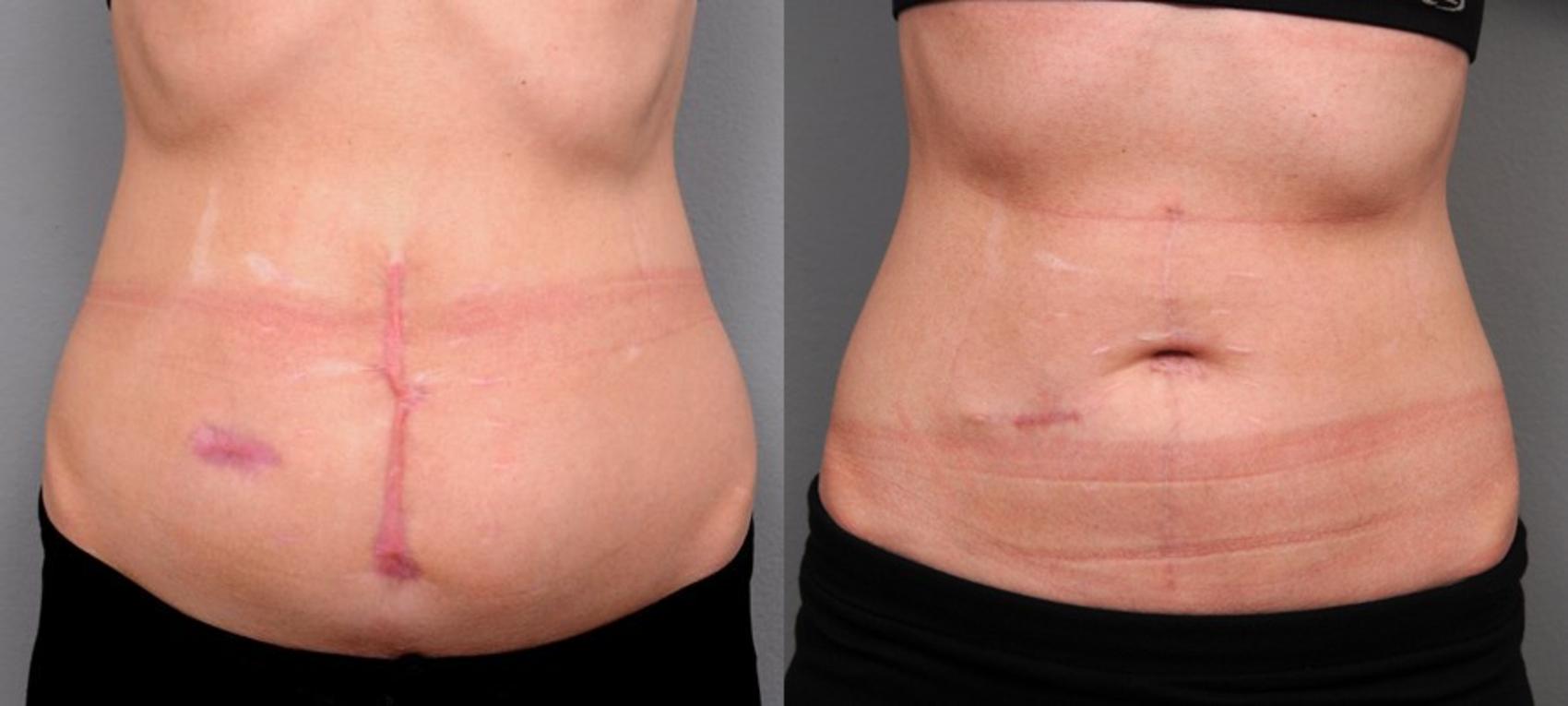 Scars are a natural part of the body's healing process. They form when the skin is damaged, whether from an injury, surgery, or certain skin conditions. Over time, most scars fade and become less noticeable, but some may remain visible, raised, or discolored. For those bothered by scars that do not improve on their own, scar revision surgery may offer a solution. In this article, we will explore what scar revision surgery is, how it works, and how it can help improve the appearance of scars.
What is Scar Revision Surgery?
Scar revision surgery is a procedure aimed at improving the appearance of scars. It is not intended to completely eliminate scars but to make them less noticeable, smaller, or more uniform with the surrounding skin. This type of surgery is commonly performed by plastic surgeons who specialize in cosmetic procedures.
The purpose of scar revision surgery is to reduce the visibility of scars, improve the texture of the skin, and restore a more natural appearance. While the results vary from patient to patient, many people find that their scars become much less prominent after the procedure, helping them feel more confident about their appearance.
Why Do Scars Form?
Scars form as a result of the body’s natural healing process. When the skin is injured, the body produces collagen to repair the damaged tissue. This collagen builds up to close the wound, and over time, the wound heals. However, sometimes the healing process results in a scar that is larger, raised, or discolored compared to the surrounding skin.
There are several factors that influence how a scar forms, including:
- The type of injury: The depth, size, and location of the injury affect how a scar heals.
- Genetics: Some people are more prone to developing noticeable scars, such as keloid scars, due to genetic factors.
- Infection: If an injury becomes infected, the healing process may be disrupted, resulting in a more prominent scar.
- Skin type: People with certain skin types may be more likely to develop raised or thick scars.
- Wound care: How the wound is cared for during the healing process can impact the appearance of the scar.
While scars are an inevitable part of the healing process, scar revision surgery is a way to address scars that cause emotional or physical discomfort.
How Does Scar Revision Surgery Work?
Scar revision surgery aims to improve the appearance of scars by using various surgical techniques to reduce their size, shape, or color. The specific approach taken during the procedure depends on the type of scar and the desired outcome.
Consultation with a Surgeon: The first step in the process is to meet with a qualified surgeon. During this consultation, the surgeon will examine the scar, discuss your goals, and evaluate your overall health. Depending on the size, location, and type of scar, the surgeon will recommend an appropriate approach to revise it.
Surgical Techniques: Several techniques can be used during scar revision surgery, including:
- Excision: The surgeon removes the scar tissue and closes the wound in a way that makes the new scar less noticeable.
- Z-Plasty: This technique involves making angled incisions and repositioning the skin to create a more natural-looking scar. Z-plasty is often used for scars that are linear or stretch across a joint.
- Skin Grafting: If the scar is large or there is significant tissue loss, skin grafts from another part of the body may be used to cover the wound and create a smoother appearance.
- Laser Treatment: Laser resurfacing can be used to treat raised or discolored scars by removing the top layer of skin and stimulating collagen production for smoother, more even skin.
- Anesthesia: Depending on the complexity of the surgery, the procedure may be done under local anesthesia (numbing the area) or general anesthesia (where the patient is asleep during the procedure). The surgeon will discuss the best anesthesia option based on the patient's needs.
- Recovery: After the surgery, the patient will need to follow post-operative care instructions to ensure proper healing. This includes keeping the surgical site clean, avoiding sun exposure, and following any additional instructions given by the surgeon. Recovery time will vary depending on the extent of the surgery but generally, patients can expect to heal within a few weeks. However, full results may take several months to appear as the scar continues to heal.
Types of Scars Treated with Scar Revision Surgery
Scar revision surgery can treat a variety of scars, including:
- Hypertrophic Scars: Raised, red, or purple scars that form when the body produces too much collagen during the healing process.
- Keloid Scars: These scars extend beyond the original wound site and can be much larger than the wound itself. They are often raised and may be itchy or painful.
- Atrophic Scars: These scars result in a loss of tissue, leaving an indentation in the skin. Atrophic scars are commonly seen after acne, chickenpox, or other skin conditions.
- Contracture Scars: These scars form after burns or large injuries. They can tighten the skin and affect movement or flexibility in the area.
- Stretch Marks: While not technically scars, stretch marks can also be treated with scar revision surgery techniques such as laser therapy to improve their appearance.
Benefits of Scar Revision Surgery
There are several benefits to undergoing scar revision surgery, including:
- Improved Aesthetic Appearance: The main goal of the procedure is to improve the appearance of the scar. This may involve reducing the size of the scar, changing its shape, or making it blend more seamlessly with the surrounding skin.
- Increased Self-Confidence: For many people, scars can affect their self-esteem and confidence. Scar revision surgery can help individuals feel more comfortable with their appearance and regain confidence in how they look.
- Improved Functionality: If a scar restricts movement or causes discomfort, scar revision surgery can help restore functionality. This is especially important for scars resulting from burns or injuries near joints.
- Customizable Results: Every scar is different, and every person has unique needs and goals. Scar revision surgery is highly customizable, allowing the surgeon to tailor the procedure to the individual’s specific scar and desired outcome.
- Minimal Risk of Complications: As with any surgery, there are risks, but when performed by a skilled surgeon, the risks are minimized. Surgeons take careful steps to ensure the best results with minimal complications.
Conclusion
Scar revision surgery offers a way to improve the appearance of scars, making them less noticeable and more aesthetically pleasing. Whether you're dealing with a surgical scar, injury, or skin condition, this procedure can help reduce the prominence of scars and improve your overall appearance. While not all scars can be completely eliminated, scar revision surgery provides a solution to enhance both the look and functionality of the affected area.
If you're considering scar revision surgery, it’s important to consult with a qualified plastic surgeon to determine the best approach for your specific needs. By understanding the procedure, the benefits, and what to expect, you can make an informed decision about whether scar revision surgery is right for you.
Get In Touch:
- Name: Dr. Douglas M. Sidle, MD
- Address: Galter Pavilion, 675 N St Clair St #15-200, Chicago, IL 60611, United States
- Phone No: +13126958182