TOOLBOX | PART II | CONTINOUS IMPROVEMENT - bdemirjian/apbr2 GitHub Wiki
Retrospectives
Overview
The Sprint Retrospective is an opportunity for the Scrum Team to inspect itself and create a plan for improvements to be enacted during the next Sprint. This is a three-hour time-boxed meeting for one-month Sprints. Proportionately less time is allocated for shorter Sprints.
The purpose of the Sprint Retrospective is to:
- Inspect how the last Sprint went with regards to people, relationships, process, and tools;
- Identify and order the major items that went well and potential improvements; and,
- Create a plan for implementing improvements to the way the Scrum Team does its work.
How to have a successful retrospective?
Any good meeting/conversation should have a purpose/outcome so that all participants understand how they can contribute to the success of the meeting/conversation. To that end, having an Agenda can help facilitate this:
- Opening
- What went well in the last sprint?
- What could have gone better?
- What experiments will we try next sprint to improve our results?
- Close
Open Space
Overview
An unconference, also called an Open Space conference, is a participant-driven meeting. The term "unconference" has been applied, or self-applied, to a wide range of gatherings that try to avoid one or more aspects of a conventional conference, such as fees, sponsored presentations, and top-down organization.
How OpenSpace works?
The Fundamental "Rules" of the sessions that happen during OpenSpace conferences are:
- Whoever shows up is the right group
- Whatever happens is the only thing that could have
- Whenever it starts is the right time
- When it's over, it's over.
To attend an OpenSpace
- Use the 'Law of two feet.' If you feel that you are not contributing or benefiting from a presentation, please feel free to move on to something else.
- Allow the discussion convener to steer his or her topic. If you have an opposing opinion that needs a full time slot you should feel free to add your own OpenSpace slot to discuss the topic.
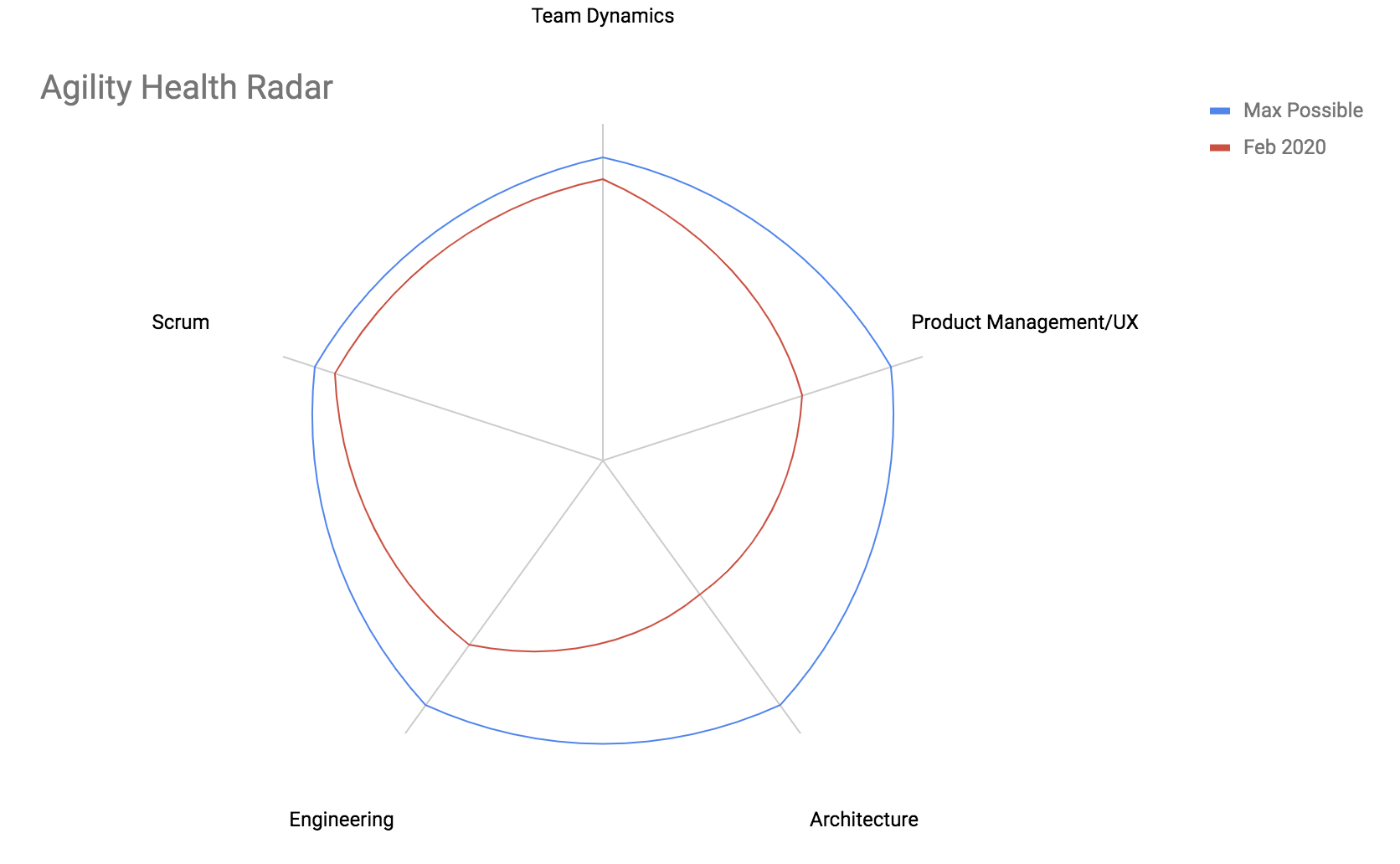
Agility Health Checks
These tools allow teams to measure how they are doing against valued dimensions. By taking and using these tools teams are able to focus a portion of their energies toward management goals. An example artifact that would inform the reader as to where and how a group was progressing.