diaries 2026 09 25 capua - RTR-Imperium-Surrectum/ris-wiki GitHub Wiki
Capua
2026-09-25 · jottel

Hello everyone, and welcome to our new Italic Developer Diary. Today, we present to you the faction of Capua. Capua is the largest and richest city in Campania surrounded by a plain known to be the most celebrated land in Italy, for both fertility, beauty, and its excellent harbours for trading ports. Campania is protected by the sea from one side, and surrounded by lofty mountains all around, with only three passes leading in and out: one from Latium, one from Samnium and one from Hirpini lands (Polyb. III.91). The prosperity of their land made its citizens so wealthy that it led to the stereotype that living there lets you fall into habits of extravagance and decadence, even surpassing those of Croton and Sybaris (Polyb. Fr. VII.1, in: Ath. Diep. XII. 528 a).
In Campania we could only really place Capua and Neapolis as settlements. The fertility of the land, however, gave way to such dense cultivation and urbanization that it is nigh impossible to represent properly. Near Capua, lying on the Volturnus River, was Casilinum, acting as a border city that guarded the river crossing from the Ager Falernus into the Phlegraean plains of Campania. Its importance to the Second Punic War cannot be overstated (Liv. XXIII.17ff.; XXIV). To the south of Capua were its little satellite cities, Calatia, Atella and Sabata, loyal until their demise at the hands of the Romans in the Second Punic War (Liv. XXII.61.11; XXVI.16.5; Pol. IX.45). In the southeast of Capua were Suessula and Acerrae, two major Campanian cities that were granted citizenship without voting power by Rome, along with Capua (Liv. VIII.14.11). Beyond them, on the southeastern and southern edge of the Campanian plain were Nola and Nuceria, two bitter enemies of the Romans in the Samnite Wars but staunchly resisting Hannibal ca. 100 years later, the battles of Nola being among the only defeats Hannibal ever suffered in Italy (Liv. XXIII.44-46; Plut. Marcellus 9-12). Nola again became a centre of attention during the Social War, falling into Samnite hands and being one of the cities that held out the longest until it was captured by Cornelius Sulla (App. B Civ. I.42; 50; 65; Vell. Pat. 2,17; Liv. Per. 73; Plut. Sulla 8).
On the coast lay Cumae, the oldest Greek foundation on Italy, and one of the oldest Roman allies, whose cohorts repelled Aruns, the son of King Porsenna at the battle of Aricia in 505 BC (Liv. II.14.5-8). Its tyrant Aristodemos, together with Dionysios I of Syracuse, repelled the Etruscan fleet in 474 BC at the battle of Cumae, which led to the end of Etruscan influence in Southern Italy (Diod. XI.51; Pind. Pyth. I.70f). It too fell to the Samnite invasion of 420 BC, which had overtaken all cities in Campania (Liv. IV.44.12). After it came under Roman rule, the city got granted citizen rights without voting power in 338 BC and stayed a loyal Roman ally throughout (Liv. VIII.14.11). Continuing along the coast were Misenum and Puteoli, two large trading ports, whose fortifications saved them from Hannibal’s conquests in Campania (Liv. XXIV.13.6-7) Further east was the major Greek city of Neapolis (Greek for “New City”), a Cumaean foundation and one of the most important and famous cities in Italian history overall. It was also the only city in Campania which found more of an arrangement with the Samnite invasion rather than suffering a complete takeover, though the names of its magistrates betray successful Oscan influence (Fronda (2010), p. 139). During the Second Punic War, Neapolis was a strong Roman ally, probably exactly due to its close connection with Cumae (loyal to Rome) and an old rivalry with Capua which had switched sides (Fronda (2010), p. 140ff). At the foot of Mount Vesuvius were located Herculaneum and Pompeii, two important port cities which, like the rest of Campania, would have probably fallen into obscurity, had not the eruption of Mount Vesuvius made them famous in the most morbid of ways. Finally, there was Surrentum, a satellite to Nuceria, at the other end of the crescent-shaped Bay of Naples that offered a fantastic harbour for ships.
Map from: Michael Fronda: Between Rome and Carthage (2010), p.xxii.
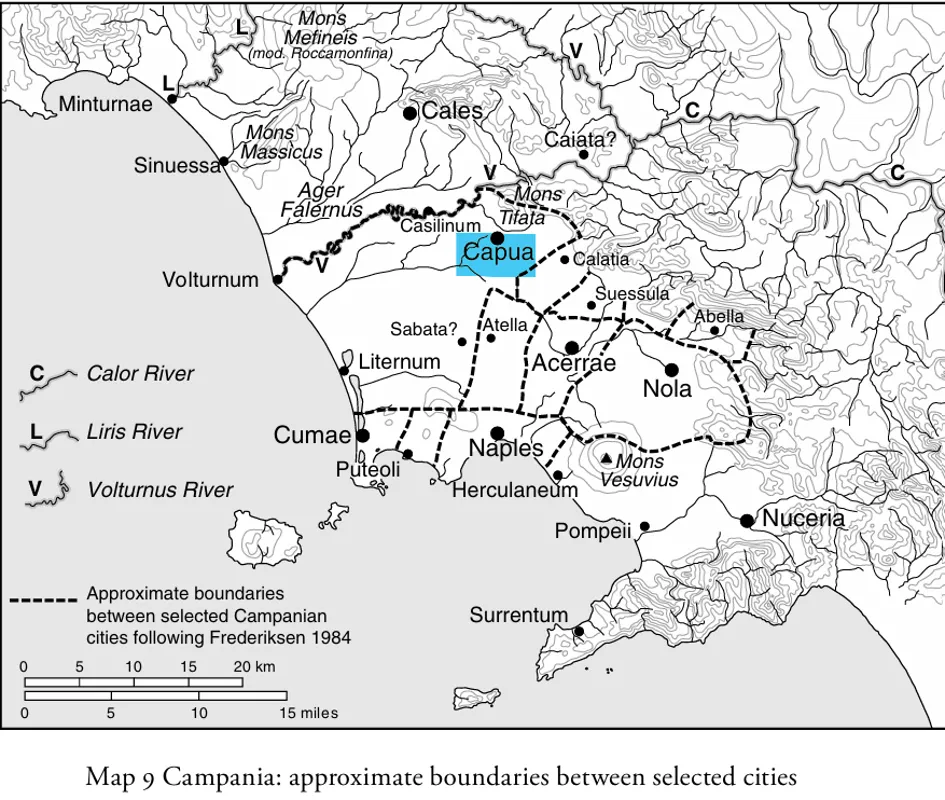
As you can tell, there are three major events connected to Campania that puts it into the spotlight of our sources. One is the Samnite invasion and takeover in the late 5th century BC. Capua was founded by the Etruscans, who owned the Phlegraean plains around it. Overall, the Etruscans are said to have created 12 major Campanian cities, mirroring the 12 great Etruscan city-states. Capua’s name – according to Livy’s ‘fanciful’ etymology – used to be Volturnum until it was taken by the Samnites and their leader Capys around 424 BC, whereafter it was renamed Capua and the area after the flatness (campestri) of the land (Liv. IV.37.1-2). The Samnites went on to conquer Cumae in 420 BC and the rest of Campania around the same time, except for Neapolis.
By the 4th century BC, Capua could be considered the most important city of Campania and one of the major cities in all of Italy. Livy (VII.31.1) calls it urbs maxima opu lentissimaque Italiae and later says it is the most powerful city after Rome, and the capital (caput - another word play) of Campania (XXIII.11.11). According to Zonaras, Capua was a great city in the late 3rd century BC (Zon. VIII.25); Florus claims that it was once considered one of the three greatest cities in the world (Flor. I.11.6) and both Pausanias and Strabo call it a metropolis (Paus. V.12.3; Strab. V.4.10; Fronda (2010), p. 121). Its dominance over Campania is demonstrated by the influence it had over its smaller “satellites” in the area, namely Atella, Calatia, Sabata and – to a degree – Casilinum. They minted similar coinage, and one of the Capuan leaders in 214 BC was named Cn. Magius Atellanus, indicating his family came from Atella, thus demonstrating the close ties of those cities (Fronda (2010), p. 122).
It suffered renewed Samnite attacks in the 4th century BC which made Rome intervene in the area and take Capua under its protection. In 338 BC, after Rome defeated the Latin (and partly Campanian) revolt (340-338 BC), Capua was granted civitas sine suffragio together with Cumae and Suessula, which technically provided it with Roman citizenship without voting rights. It might have led to Capua losing its hegemonic influence over Campania that it possessed before (Fronda (2010), p. 123). Theoretically, Rome’s influence on the socii’s internal affairs remained relatively small as long as they provided the stipendia (soldier’s upkeep) or troops that Rome asked of them. Polybios’ report of the census in 225 BC (Polyb. II.23-24), which counted all available manpower in Italy however demonstrates, that the Campanian burden was comparatively heavy compared to socii without civitas sine suffragio (Fronda (2010), p. 116). This is somewhat confirmed by the fact that Rome sent a Campanian legion under Decius Vibellius to Rhegium to protect it from Pyrrhos (4.000 men in: Liv. XXVIII.28.2; 800 Campanians and 400 Sidicini in: Dion. Hal. XX.4-5; other sources: Polyb. I.7.6-13; Diod. XXII.1) This legion consequently revolted and was executed entirely once Rome retook Rhegium in 270 BC.
The Campanian cities stayed loyal to Rome during the first two years of the Second Punic War, though Hannibal actively tried to separate the socii from Rome by sparing their prisoners and talking to their respective delegates (Liv. XX.13). Rome’s immense losses at Trebia (218 BC), Trasimene Lake (217 BC) and especially Cannae (216 BC), finally led to a large part of the southern socii to switch sides (XX.61). These were not always very direct or one-sided and Livy provides a number of exemplary cases of the stasis ('inner conflicts’) that were happening inside specific cities before switching sides or staying loyal. Hannibal was eventually called to Capua by the magistrate, Marius Blossus, and the whole citizenry greeted him. He was invited by one Pacuvius Calavius, a pro-Carthaginian aristrocrat, to a family feast, in which his own son had almost attempted an assassination of Hannibal had his father not stopped him (Liv. XXIII.8-9). An alliance was concluded and Capua became the spearhead for pro-Carthaginian actions inside Campania (XXIII.2-7). Its satellites consequently switched, too.
Once Rome realized they should not confront Hannibal directly, a large part of the Second Punic War became a game of cat and mouse in Campania. Rome tried to cut Hannibal off specific routes or cities while Hannibal sought to make additional cities switch sides. Fronda’s excellent study ‘Between Rome and Carthage’ (2010) demonstrates how the betrayal of some cities might have encouraged the loyalty of their respective rivals and oftentimes Hannibal could achieve nothing more in Campania than catching a pro-Roman faction off-guard. Most sieges he failed: At Nola, Rome garrisoned the city in time before the pro-Carthaginian citizenry could switch sides and Hannibal was defeated in two (or three) attempts at taking it (Liv. XXIII.16-17; XXIII.46); at Cumae, Rome intervened in time to completely destroy a pro-Carthaginian Campanian army (XXIII.35-37); Puteoli (XXIV.13) and Neapolis (XXIII.15) were so well fortified that Hannibal never actually made a serious attempt at besieging them; and Casilinum, where two socii cohorts held out in a siege until it was negotiated into Hannibal’s hands and then fell back into Roman control a few years later (XXIII.19; XXIV.19). In 212 BC, Rome put Capua under siege with the combined might of three armies. After years of devastation, the once well-fed city faced food shortages and constantly asked Hannibal to return to help them (Liv. XXV.13.1-8). His steps at relieving the city failed, as either food supplies were intercepted, thus wasting his precious resources (XXV.14.11-14) or attempts to catch one of the besieging armies resulted in him being drawn away (XXV.19-20). The consuls always returned to Capua to continue their merciless siege, until Hannibal in 211 BC again chose to relieve Capua, his politically most important and influential ally, to prevent it from being made an example of.
His relief ultimately failed (Polyb. IX.4.7-8; Liv. XXVI.7.1-5) and the city finally surrendered in 211 BC (Liv. XXVI.14.1-6). After the surrender of Capua, the proconsul Q. Fulvius Flaccus preempted any discussions in the senate for potential pardoning and investigation by privately riding out with his military tribunes and 2.000 selected horsemen to Teanum and Cales to immediately execute the overall 53 Capuan senators held in custody. After that, he received the surrender of Atella and Calatia, where overall 70 senators were executed as well (Liv. XXVI.15-16). The territory of Capua became ager publicus and was put under a Roman prefect. Part of its territory was sold off or made into colonies (Fronda (2010), p. 308). Capua temporarily became a Roman colonia, 83 BC, 59/58 BC, under Caesar (Vell. Pat. II.44; Suet. Caes. 20; App. B Civ. II.10), again in 43 BC under Antonius (Cic. Phil. II.39f.), and in 36 BC under the future Augustus (Vell. Pat. II.81; Cass. Dio IL.14; Pappalardo, Umberto in: DNP: Capua).
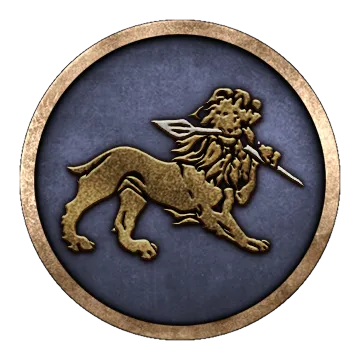
Capua's faction symbol, derived from its coinage from the 3rd century BC:
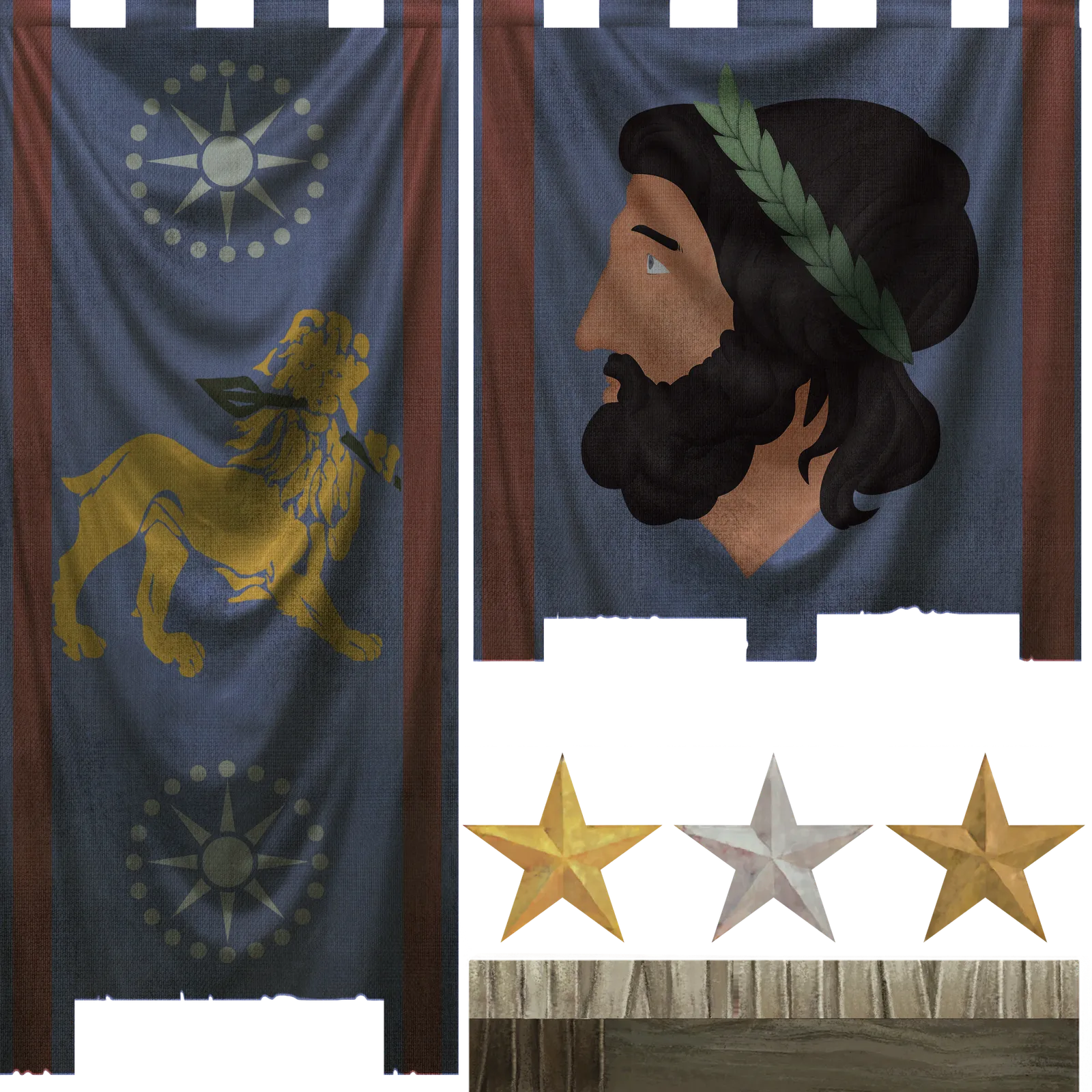
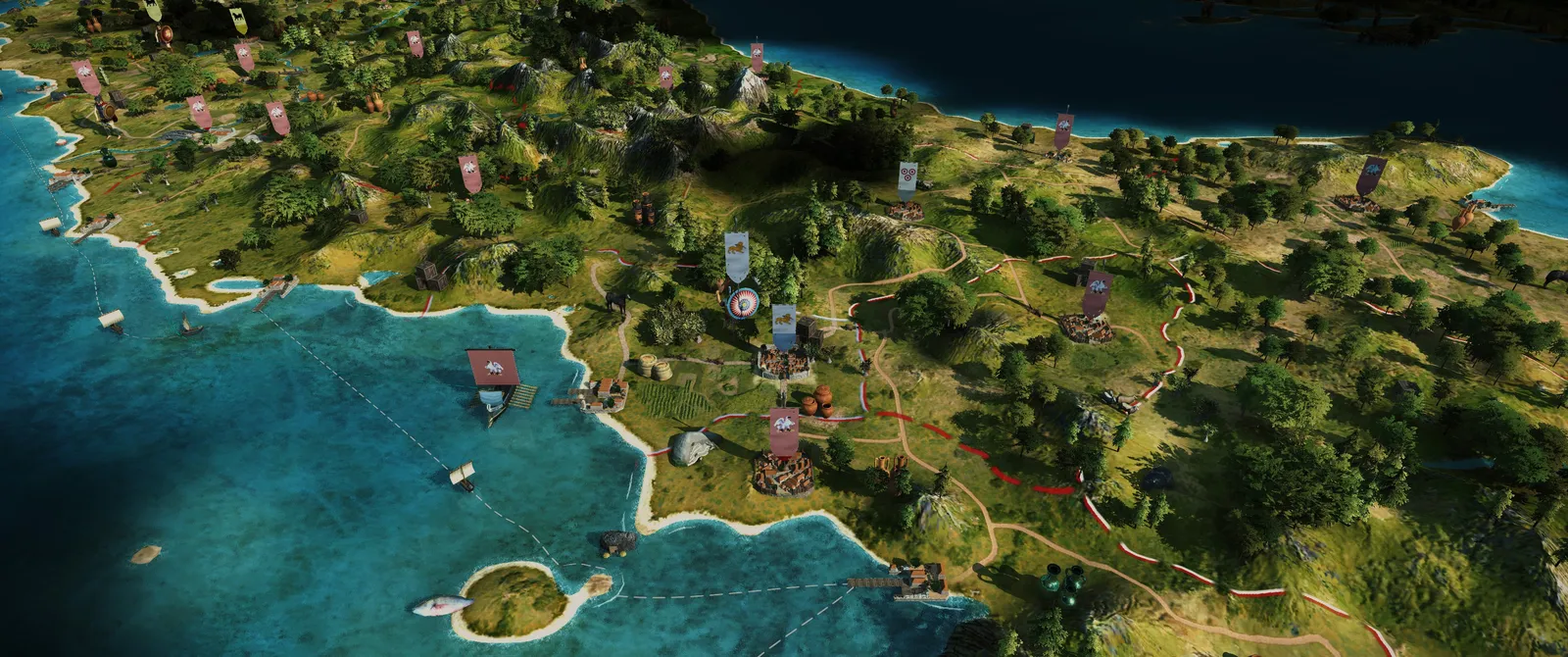
Capua's starting situation (unified Roman campaign):
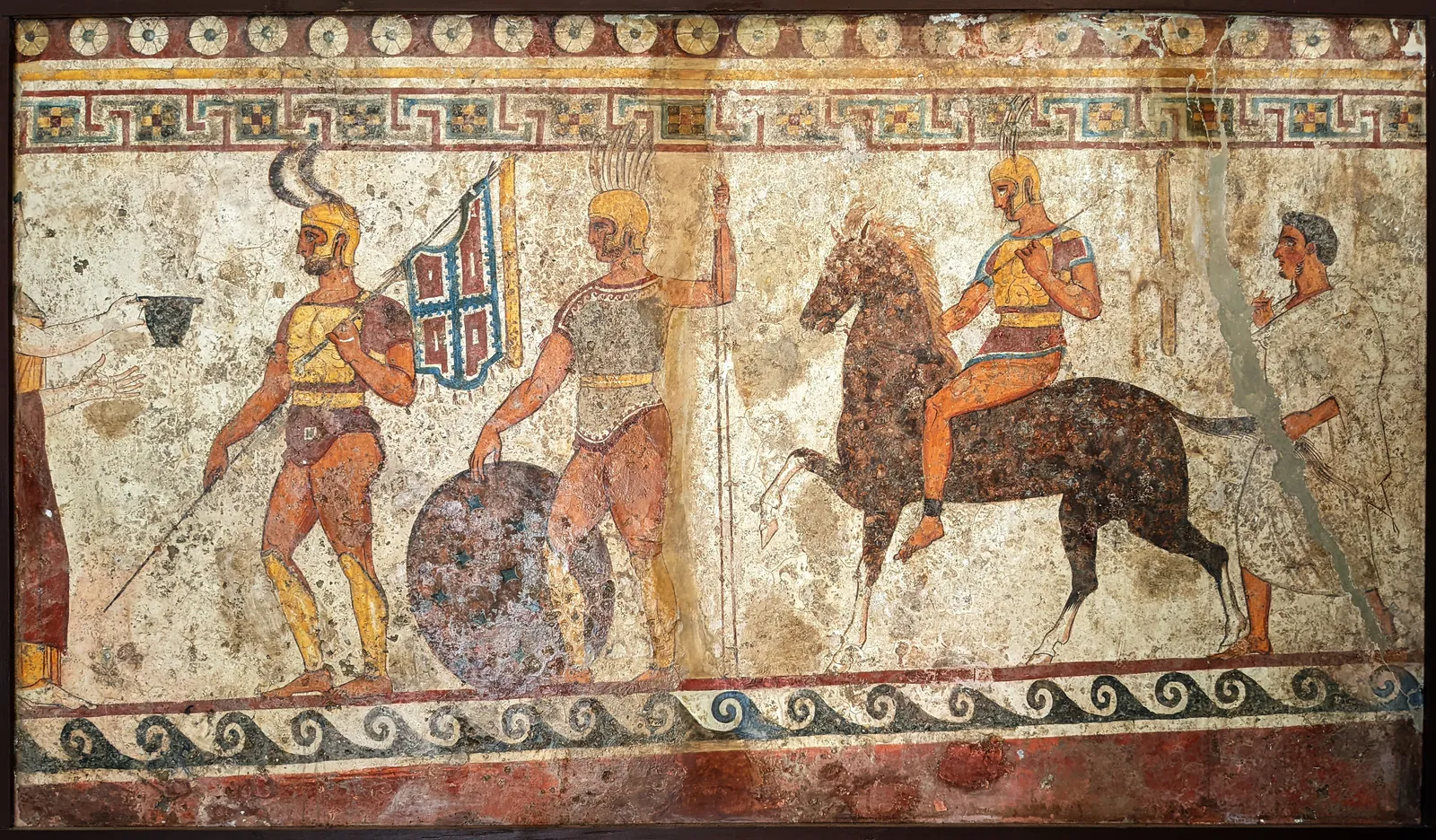
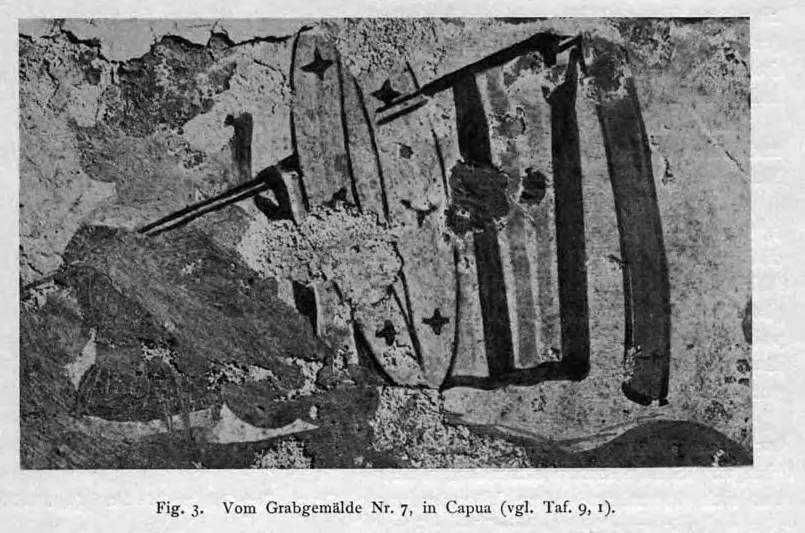
The Campanian roster reflects the various visual and archaeological sources we have from Southern Italy and Campanian cities in particular. Capua and Nola produced very beautiful wall paintings for aristocratic tombs and a lot of pottery depicting Samnite and Greek arms was made in Campania and traded throughout Italy. The most famous wall painting often associated and used for the Samnites in various books, magazines, videos and various other media actually comes from Nola and shows 3 warriors, one of them mounted, armed with kardiophylax (‘heart-protector) breastplates of the muscled variant, Samno-Attic helmets, adorned with feathers, spears and colourful tunics. Now in the Archaeological Museum of Naples:
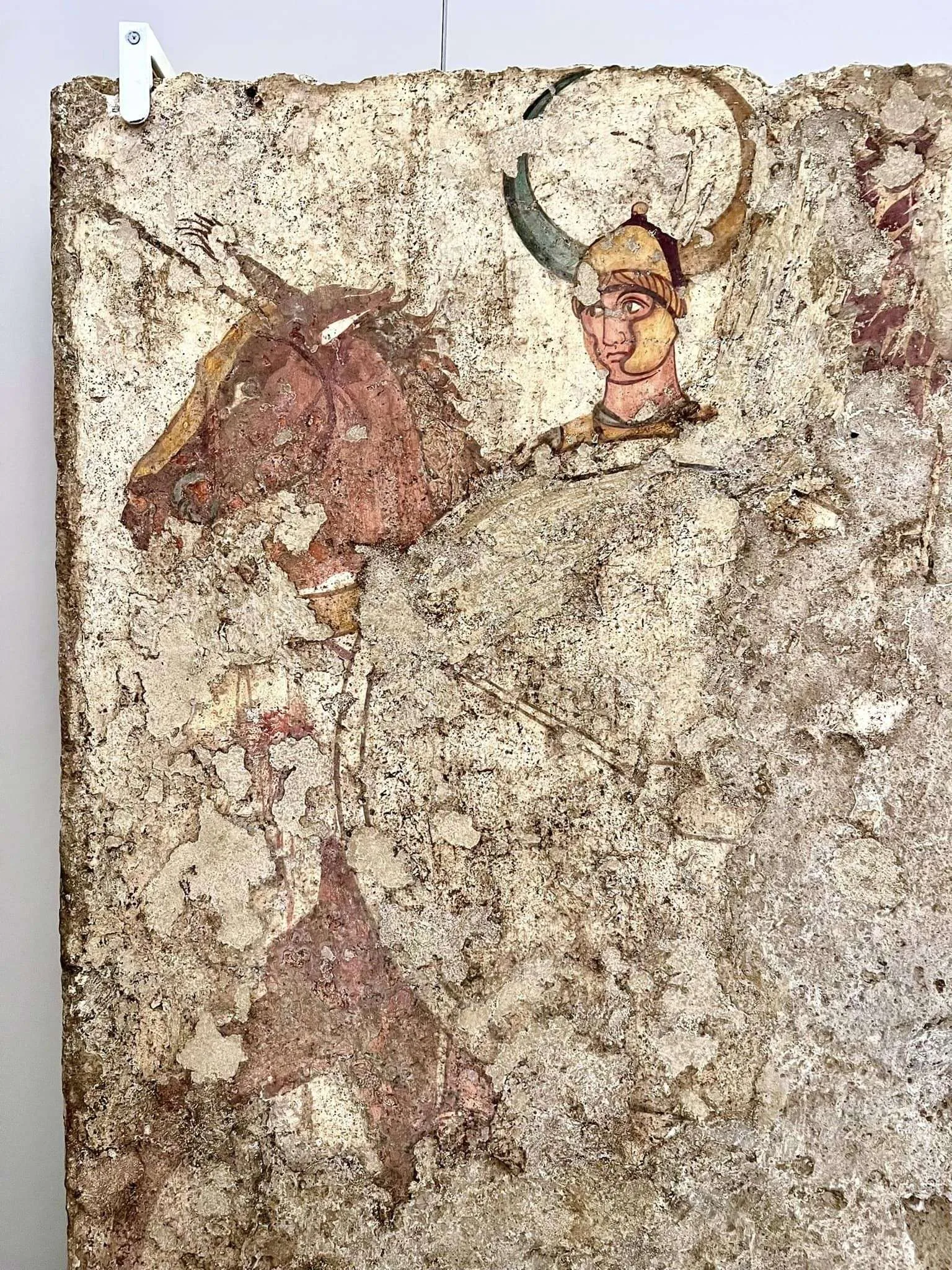
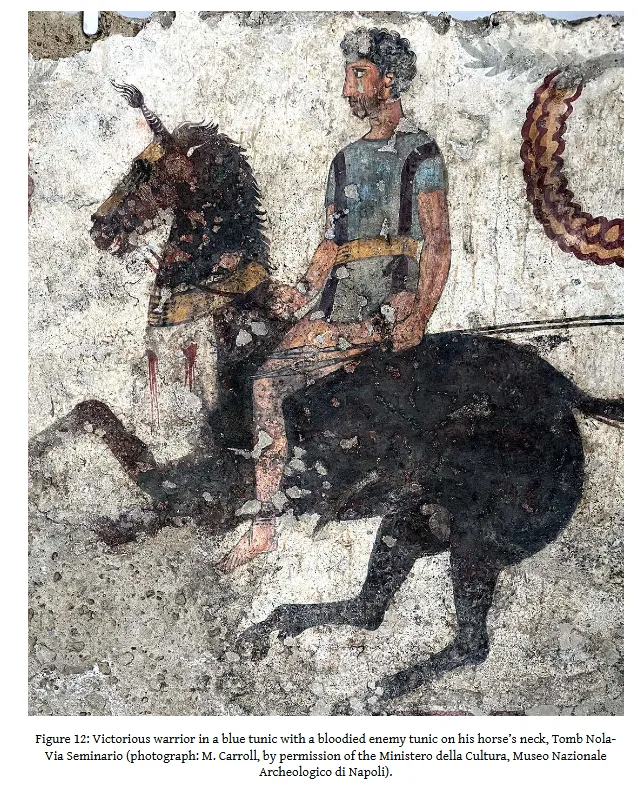
Multiple others also come from Nola:
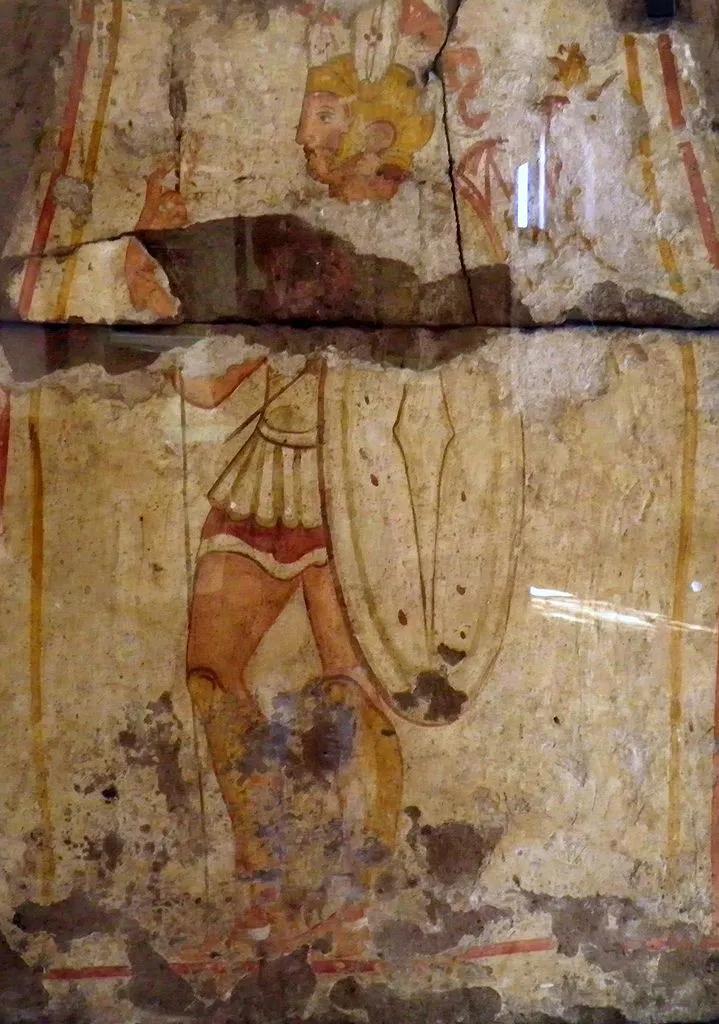
These two from Capua:
Or this one from Cumae:
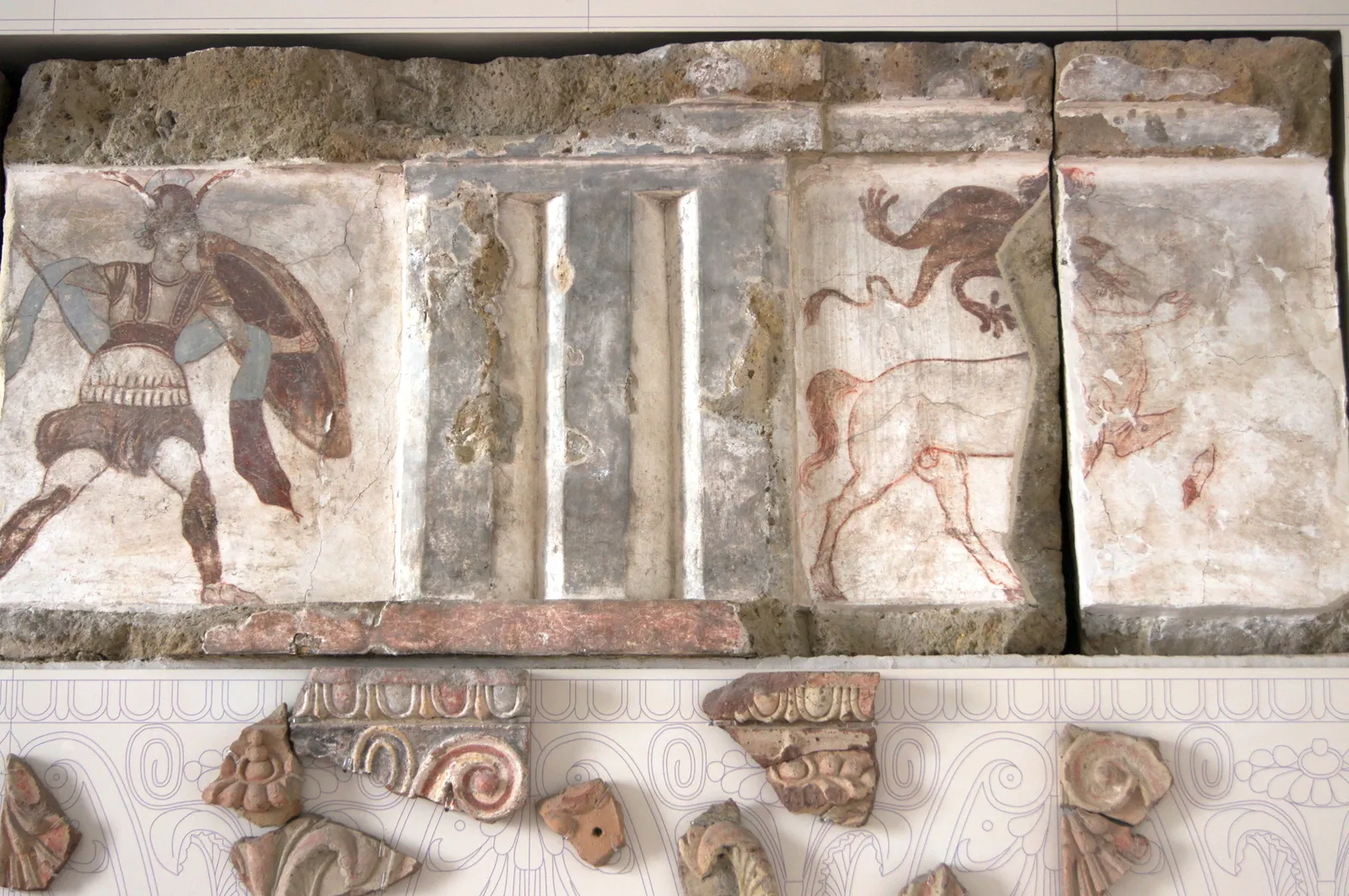
Campanian Javelinmen are derived from one such wall painting from Capua. Javelin-based fighting was incredibly common among Italic peoples, particularly the Oscans and are thus the best (and only) unit for skirmishing.
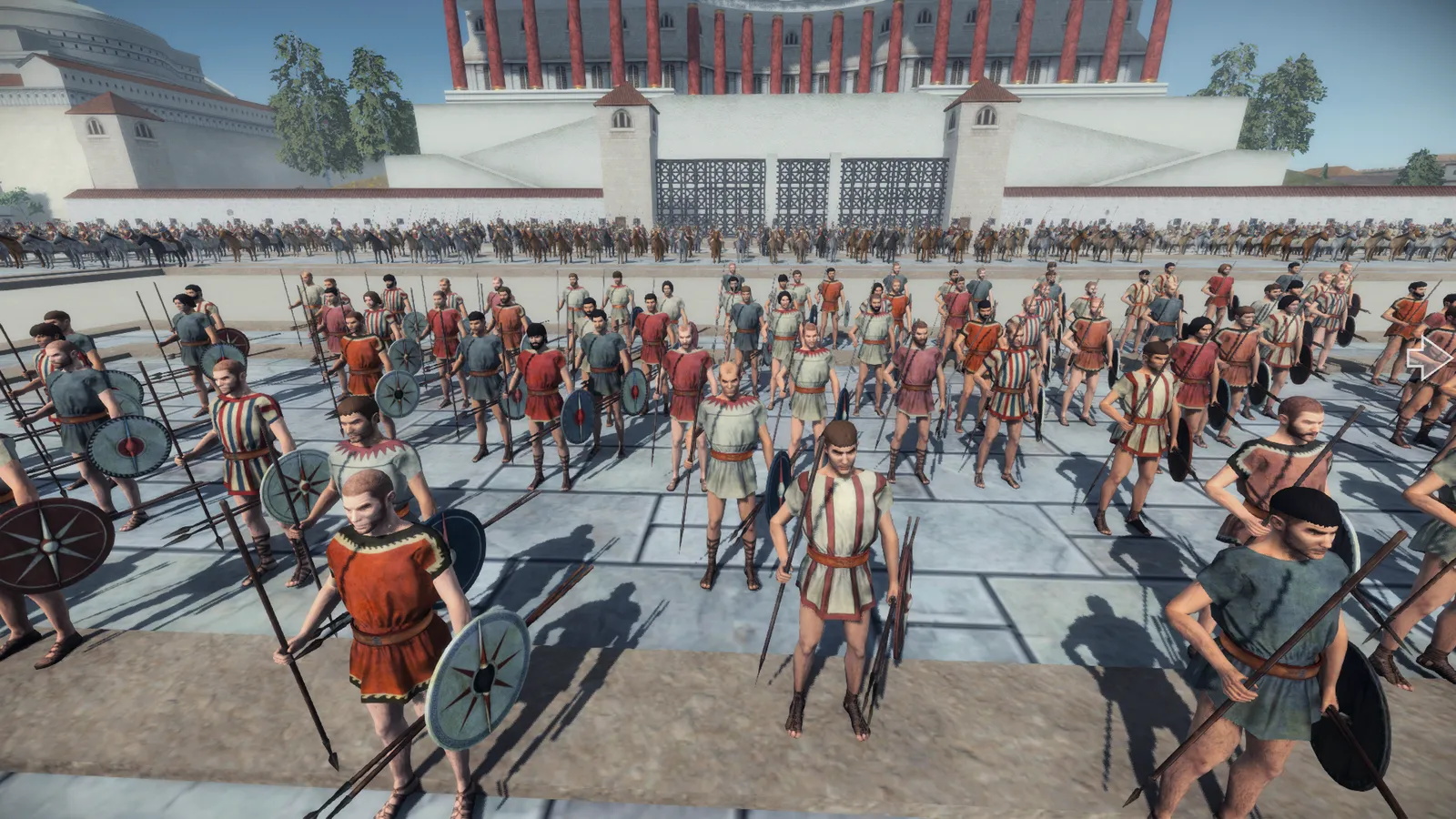
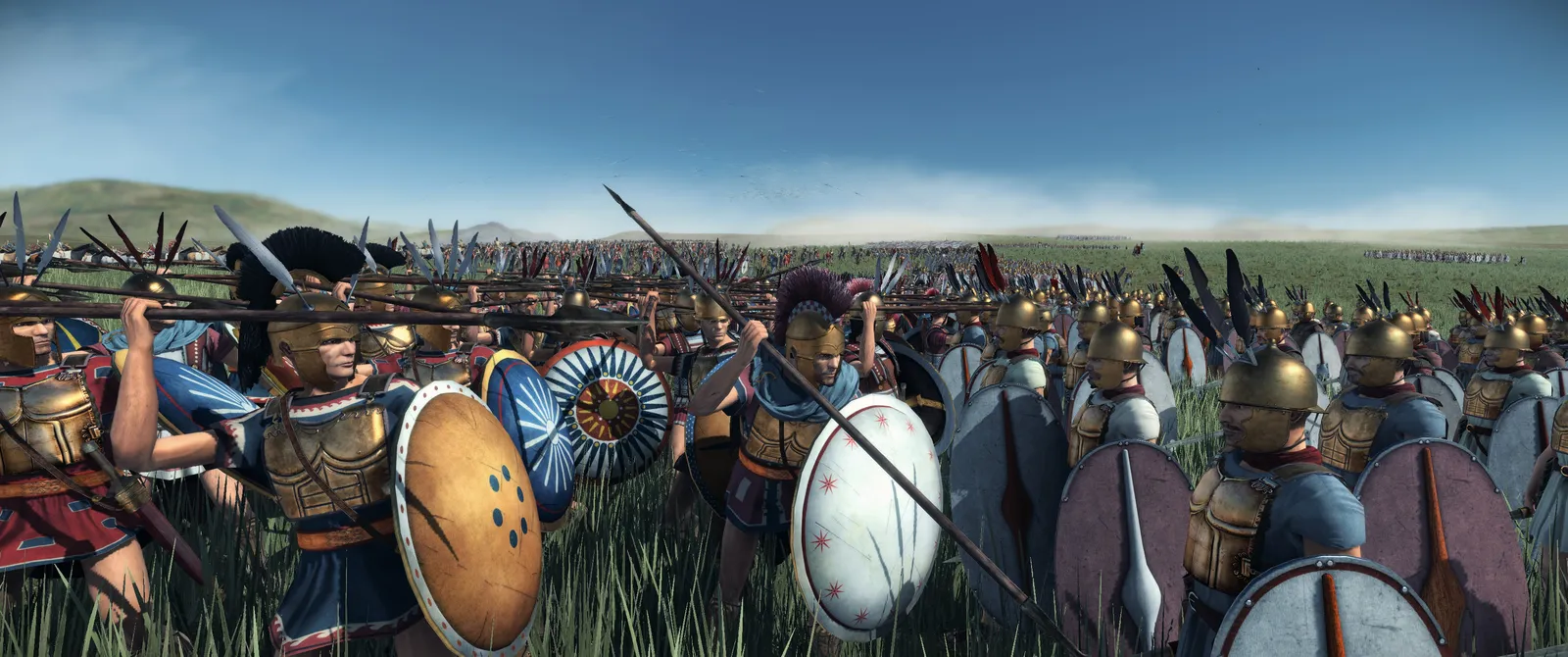
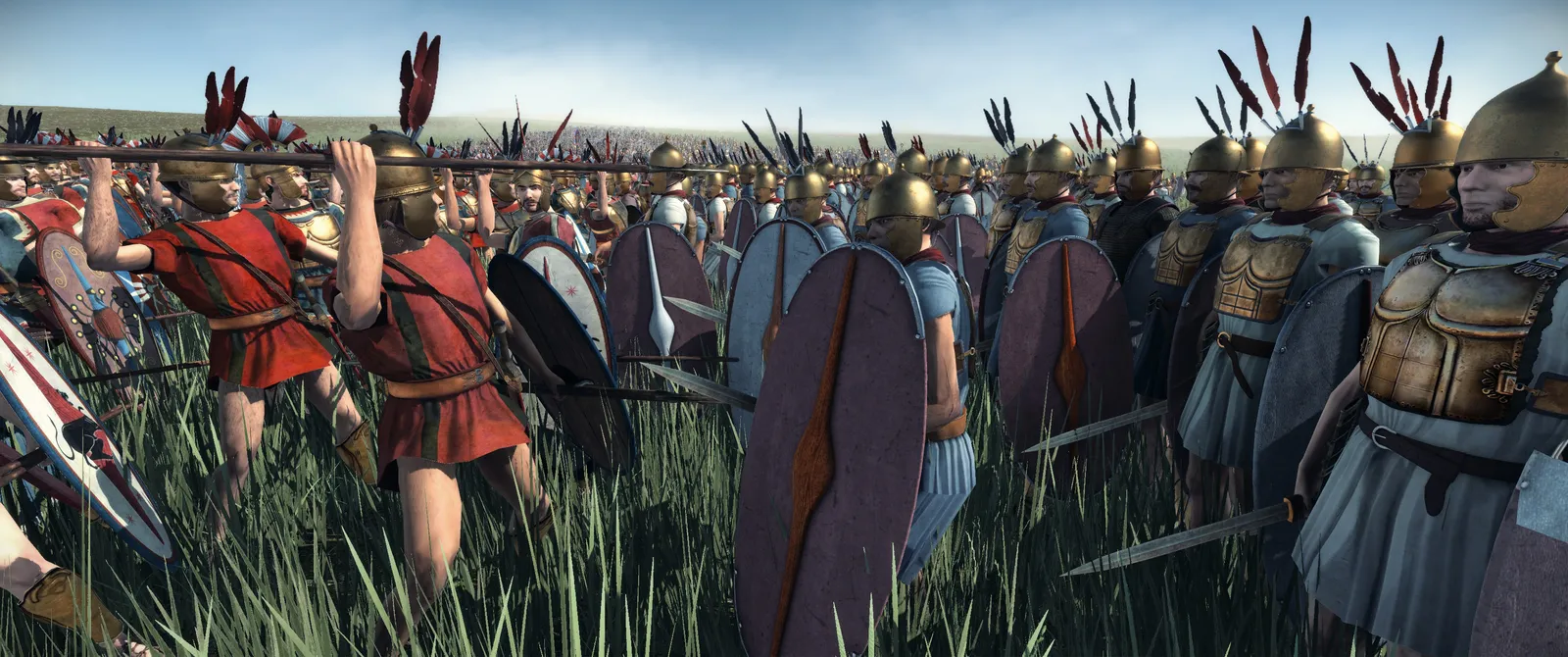
Campanian thureophoroi are the basic line infantry that the Capuans rely on. Roman sources depict Campanian infantry as not being particularly good but definitely numerous.
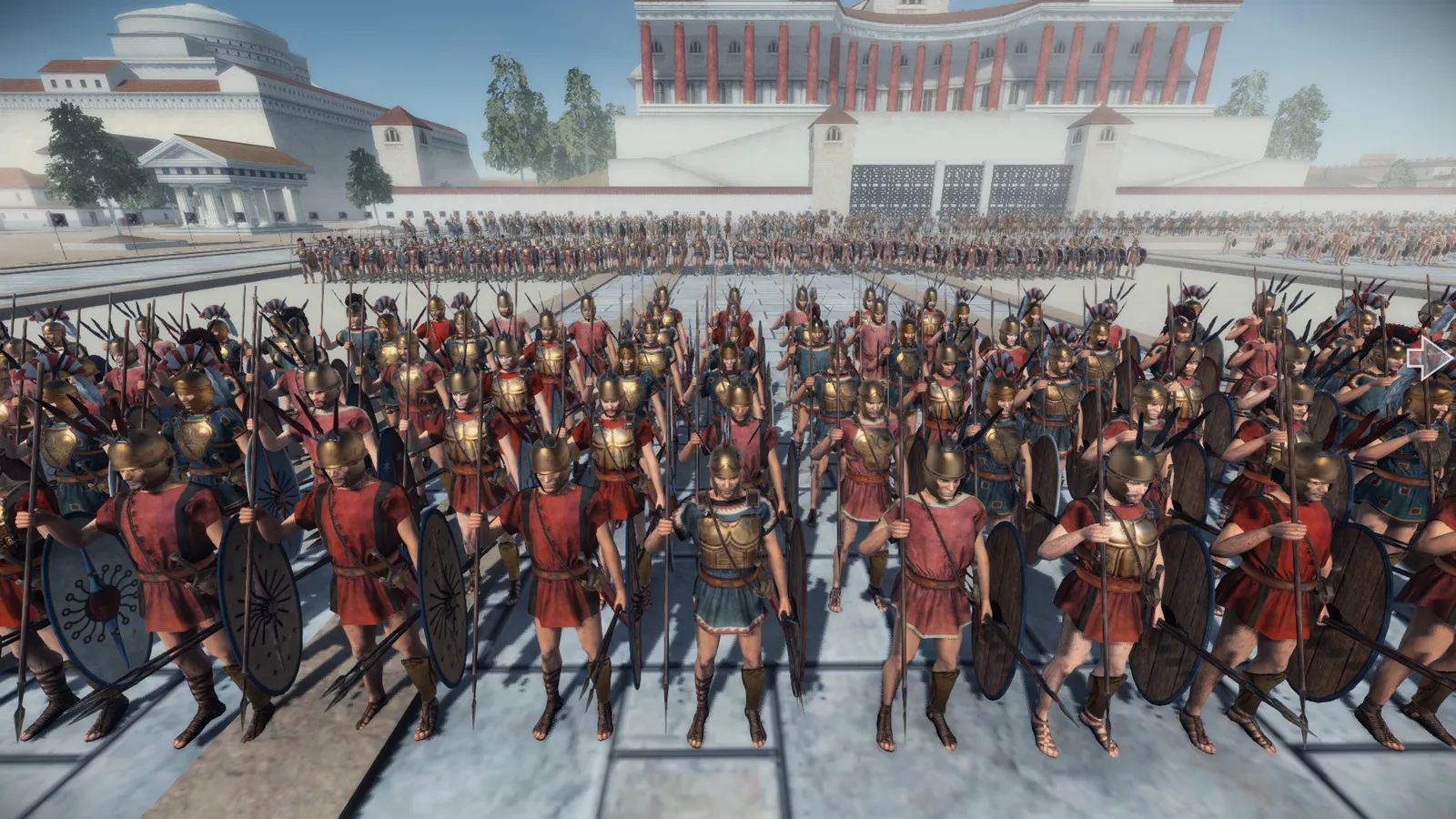
Campanian hoplites have adopted the equipment of their Greek neighbours. Most depictions of Samnites are with the Argive shield (aspis) but that is likely selection bias from the Hellenized areas of Campania. Nonetheless, these hoplites will be among your most reliable infantry.
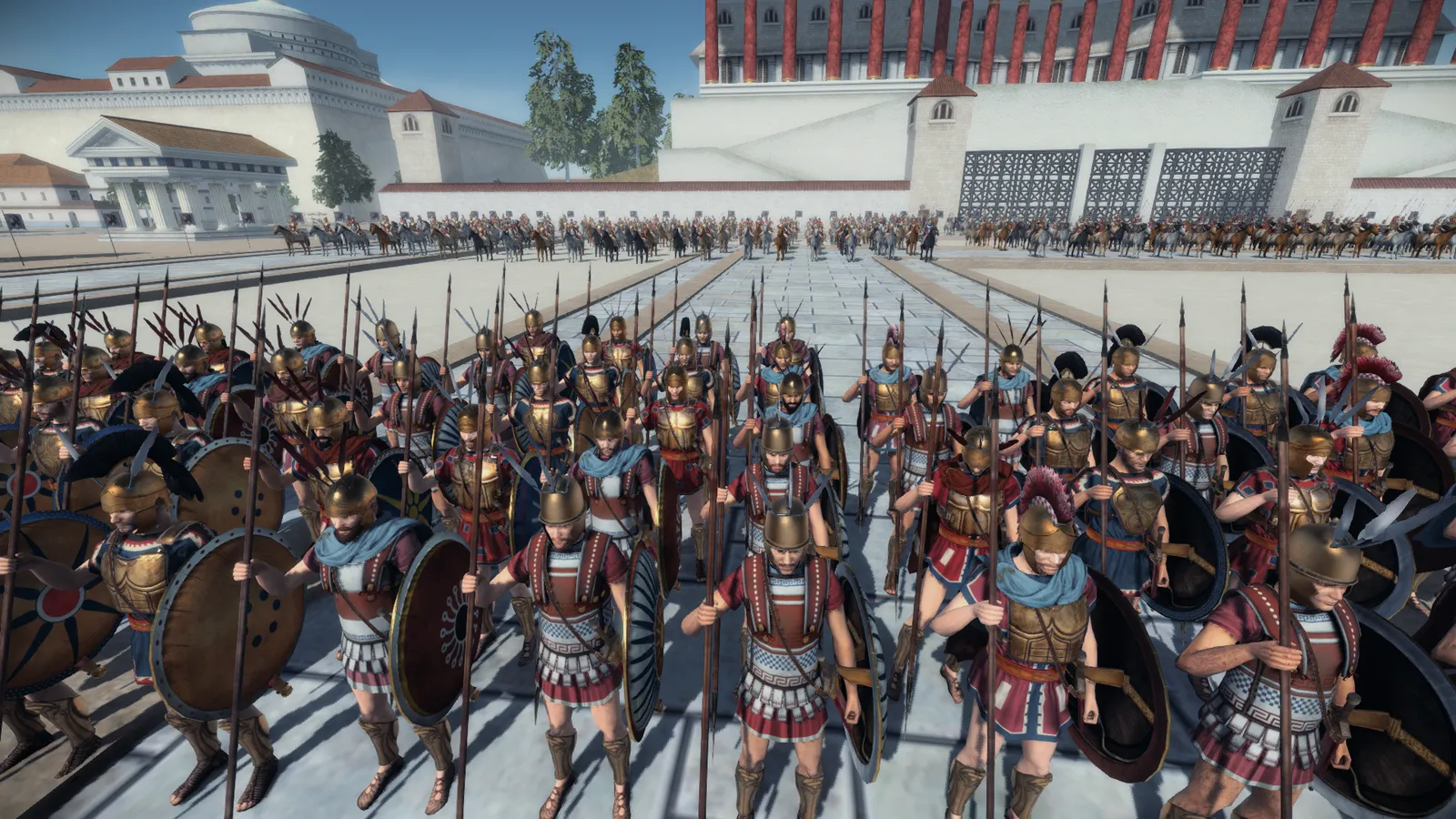
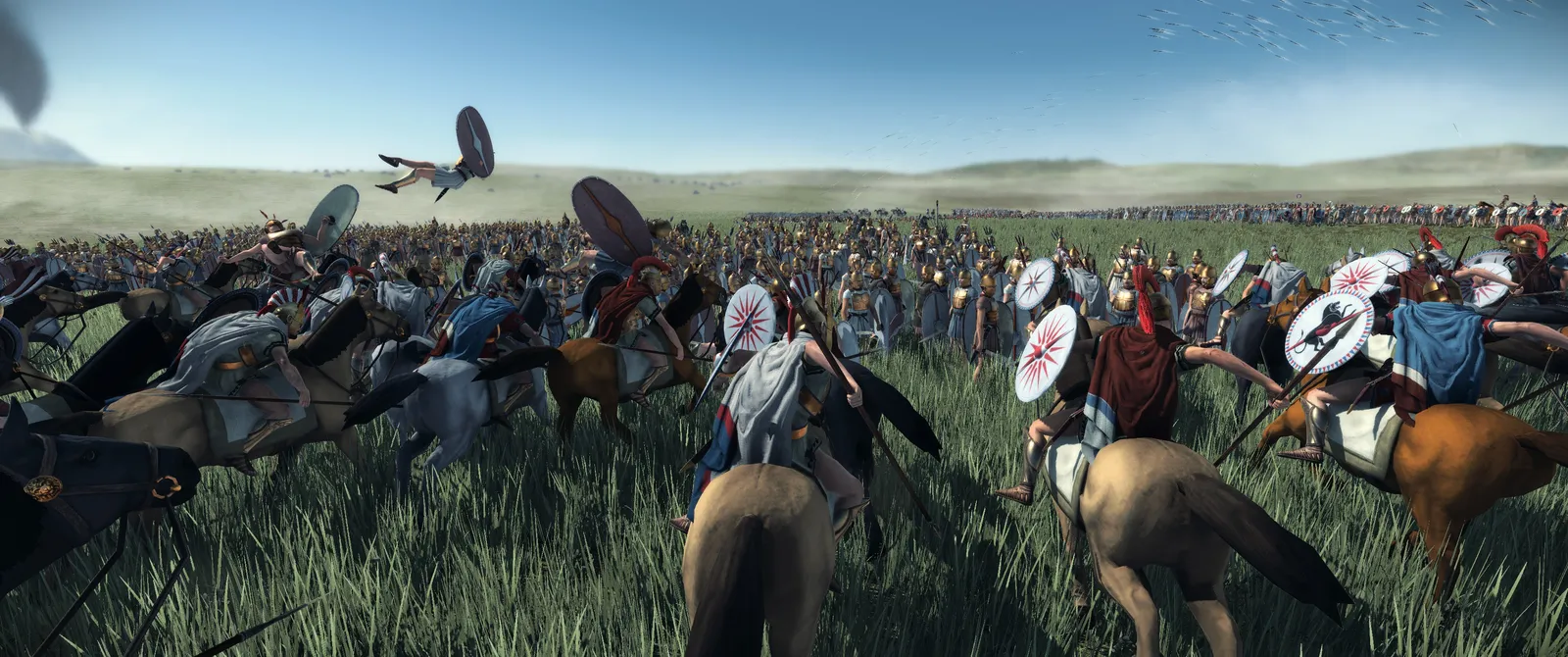
Cavalry is definitely where Capua and other Campanian cities shine. They had a wealthy and influential aristocracy and as you can see from Campanian wall paintings, had a lot of pride in their horsemanship, showing off the loot hanging from their javelins. Campanian cavalry also made an appearance at the battle of Sentinum in 295 BC and generally made up a large part of the Roman cavalry forces.
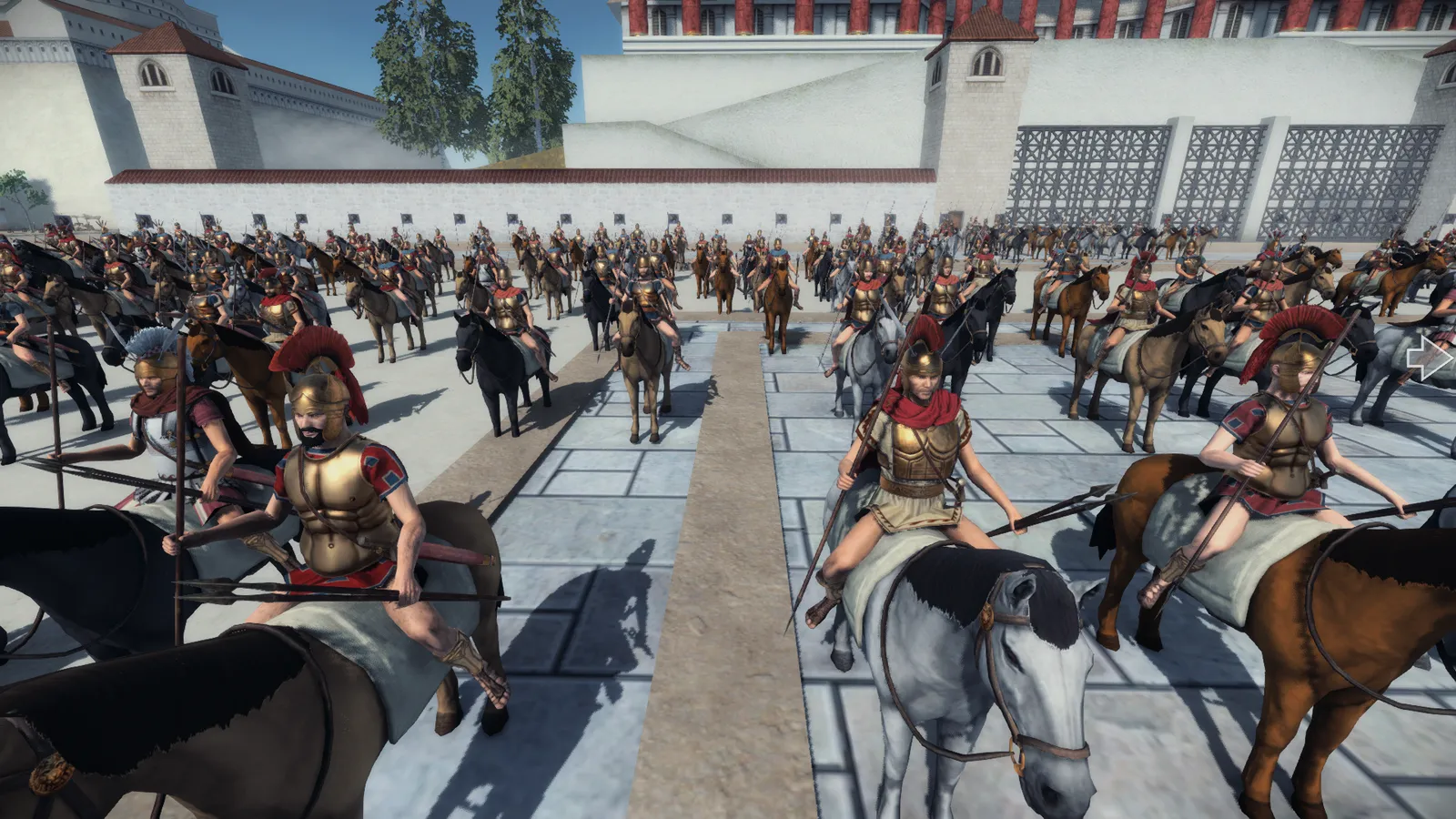
Campanian Heavy Cavalry is the Romanized version of the Campanian cavalry, armed and armoured in heavier equipment, especially with the fancy new mail shirts. The shield is derived from the Nola fresco I’ve shown above and was generally the common cavalry shield in Italy throughout the 3rd and 2nd centuries BC.
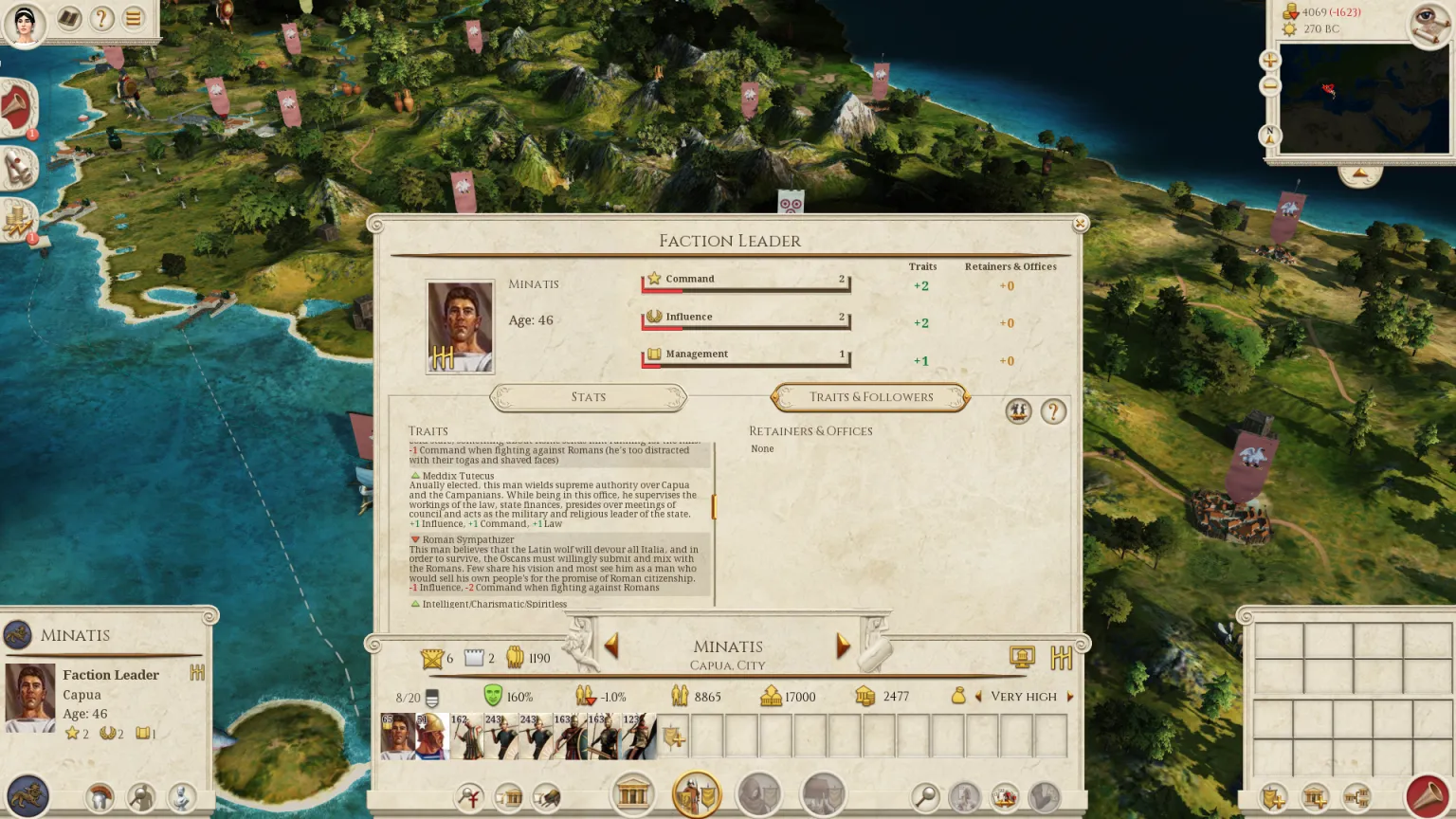
Here are some amazing traits you can unlock when you play as Capua:
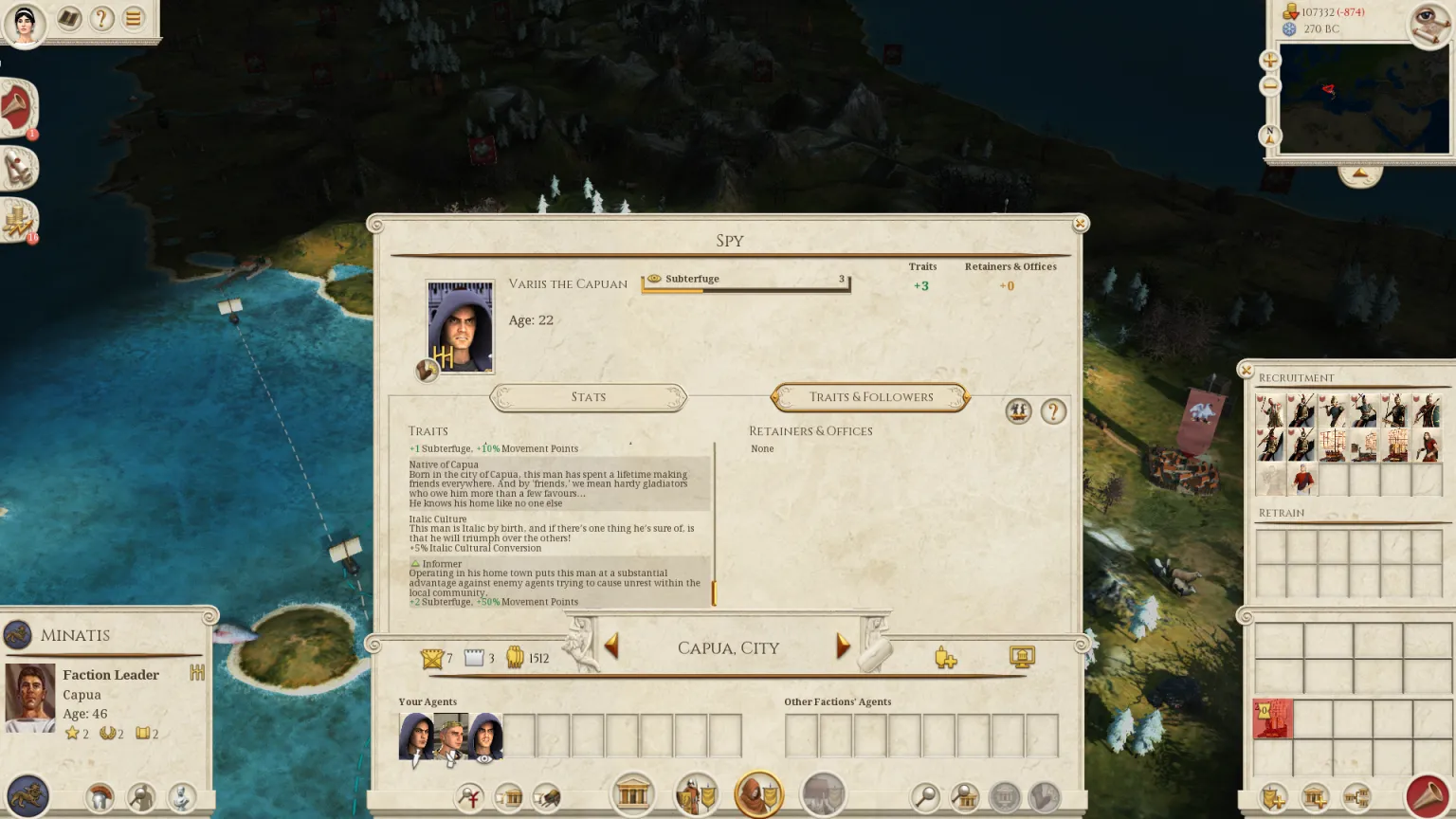
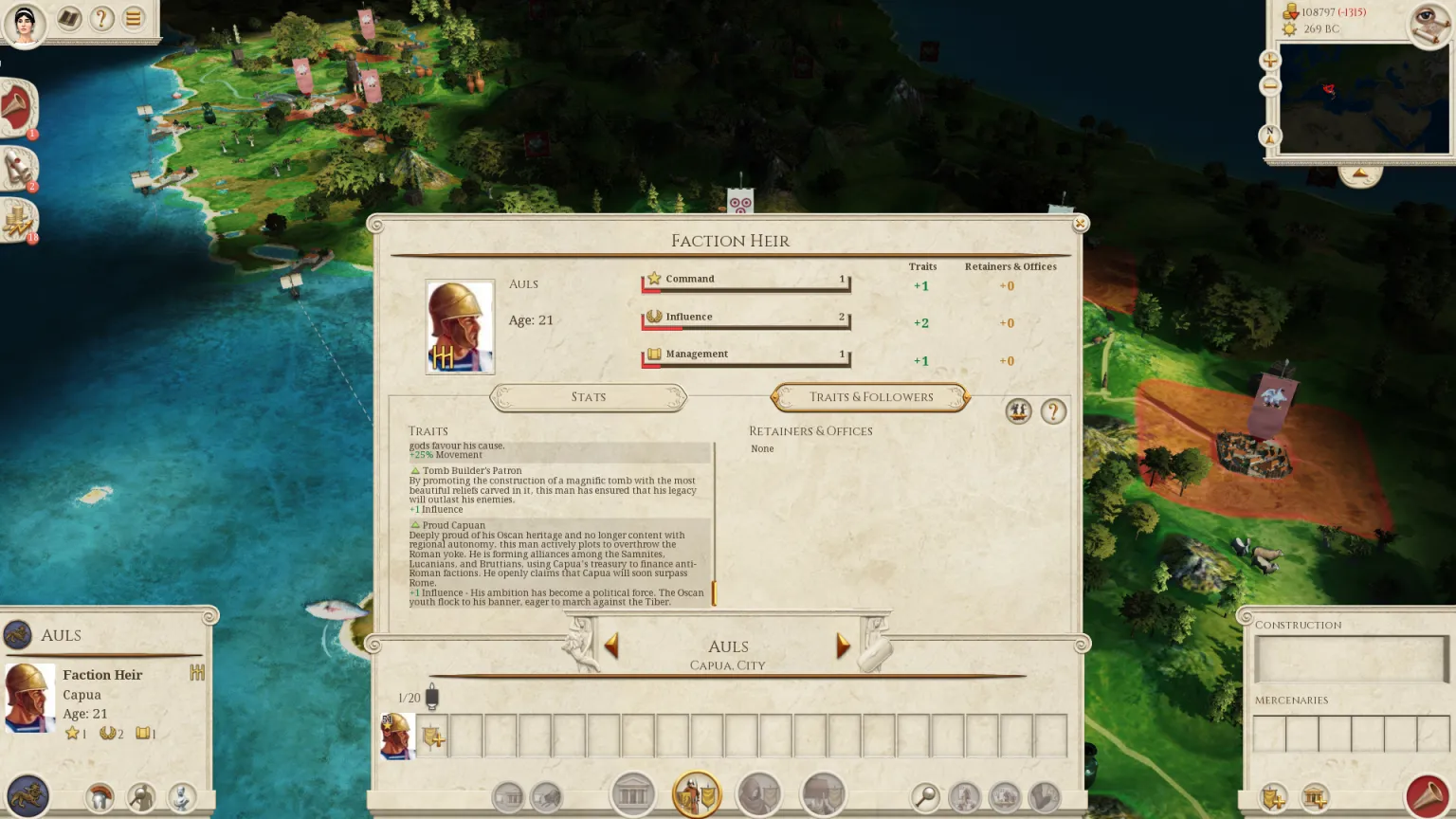
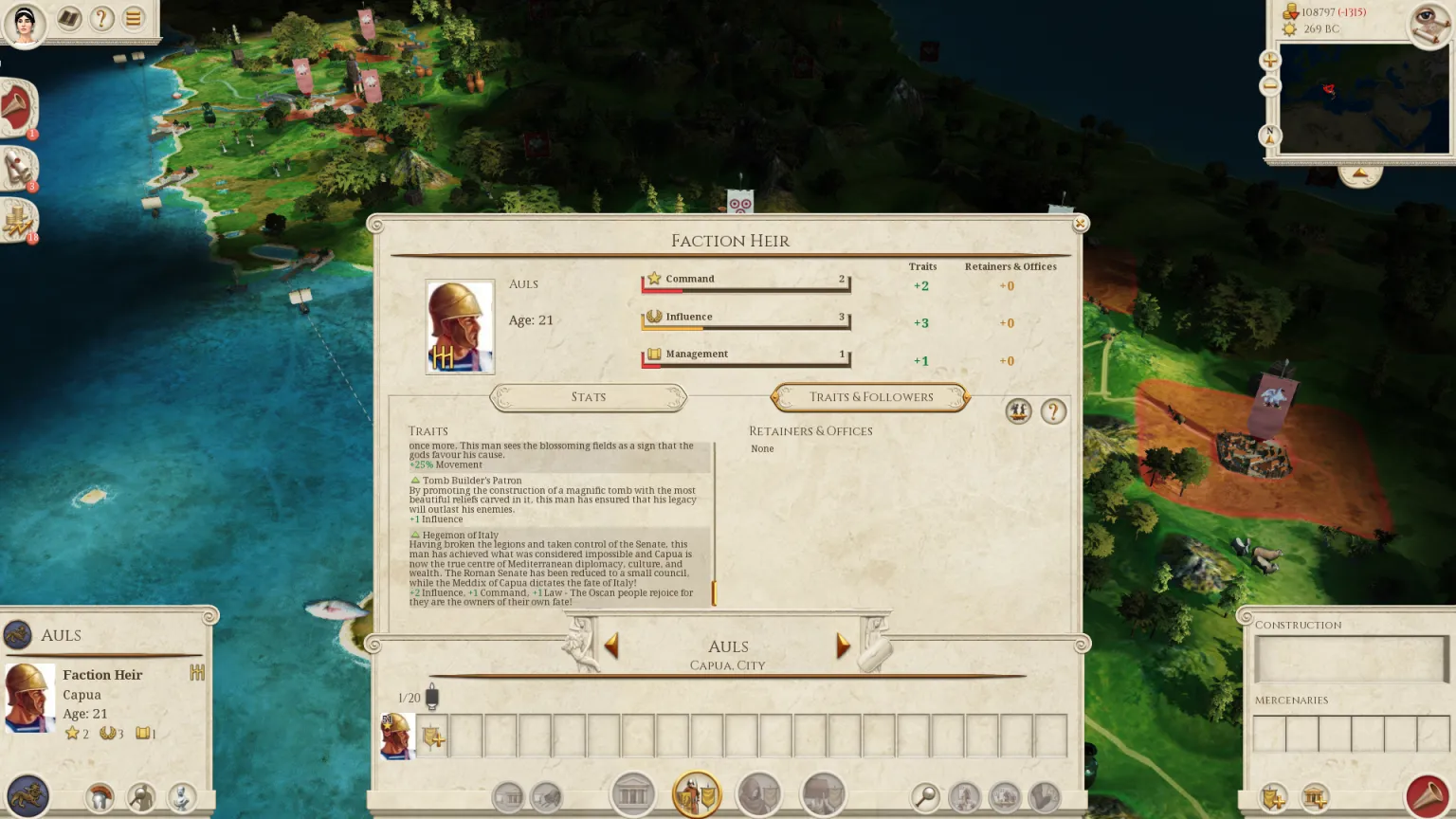
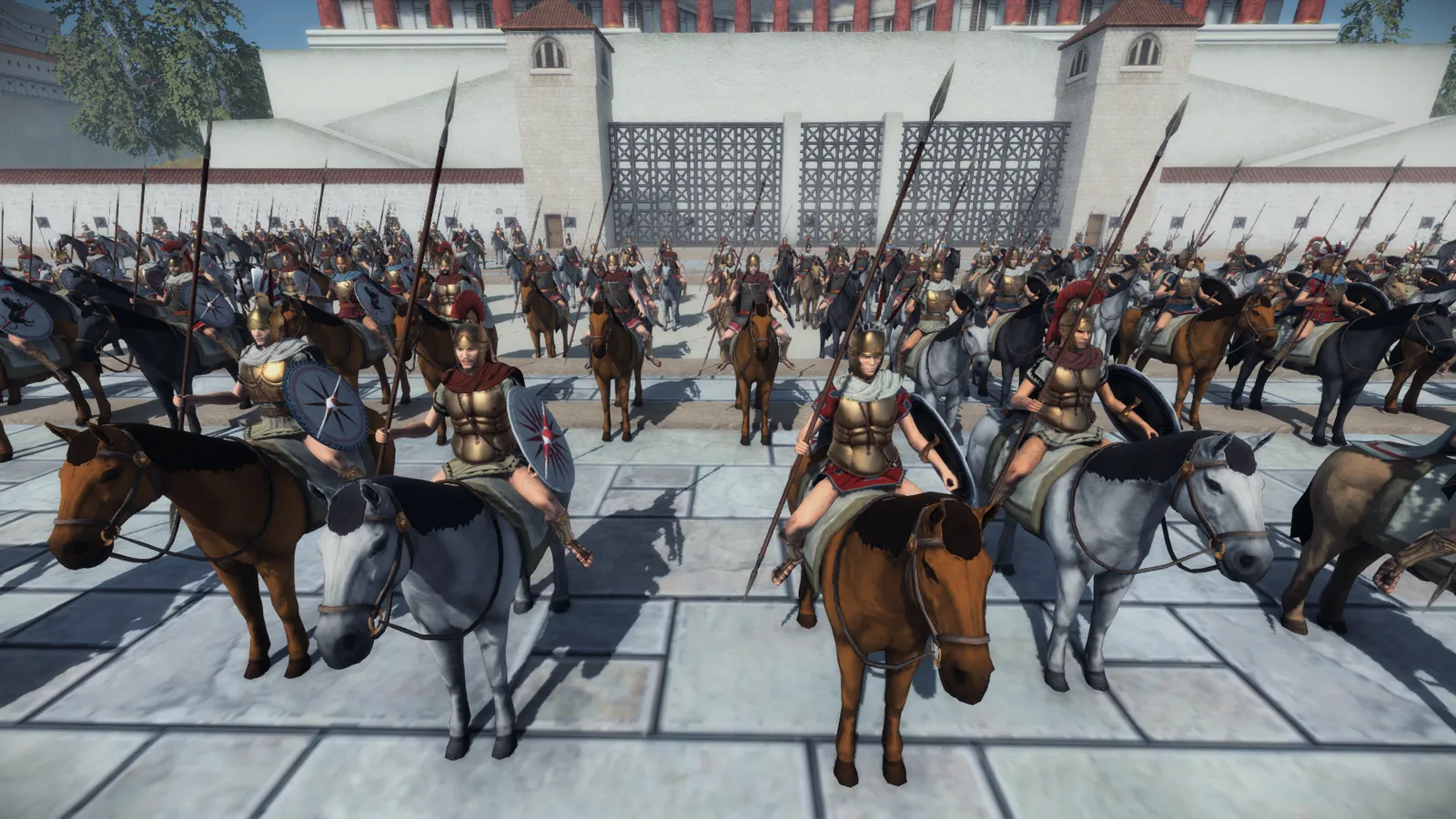
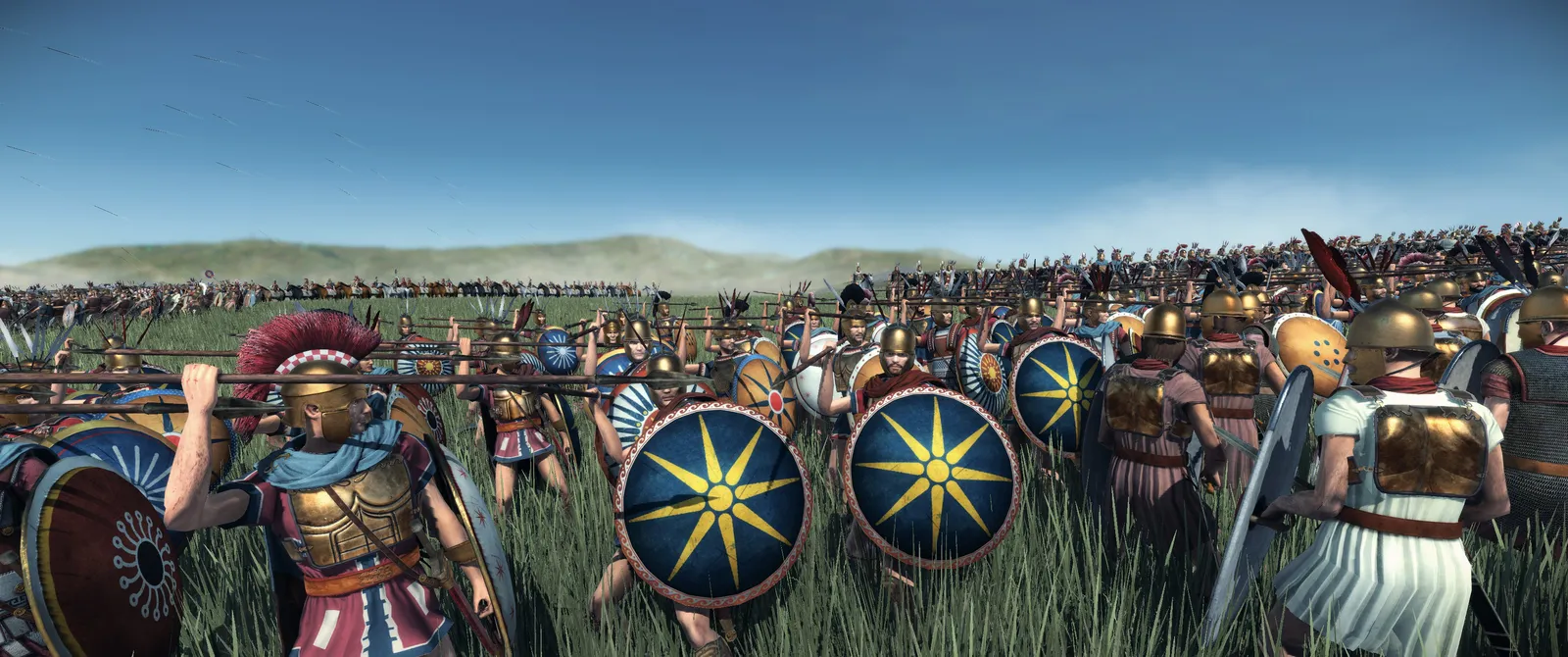
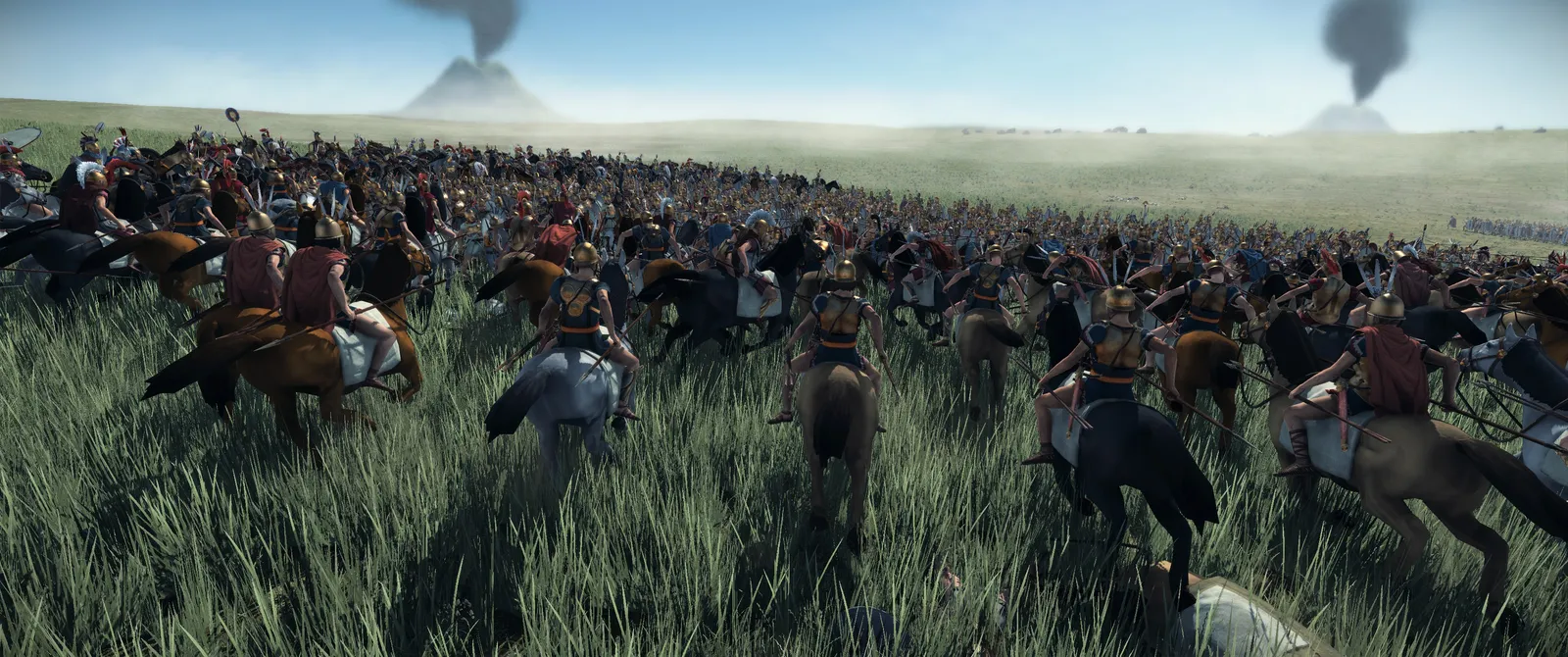
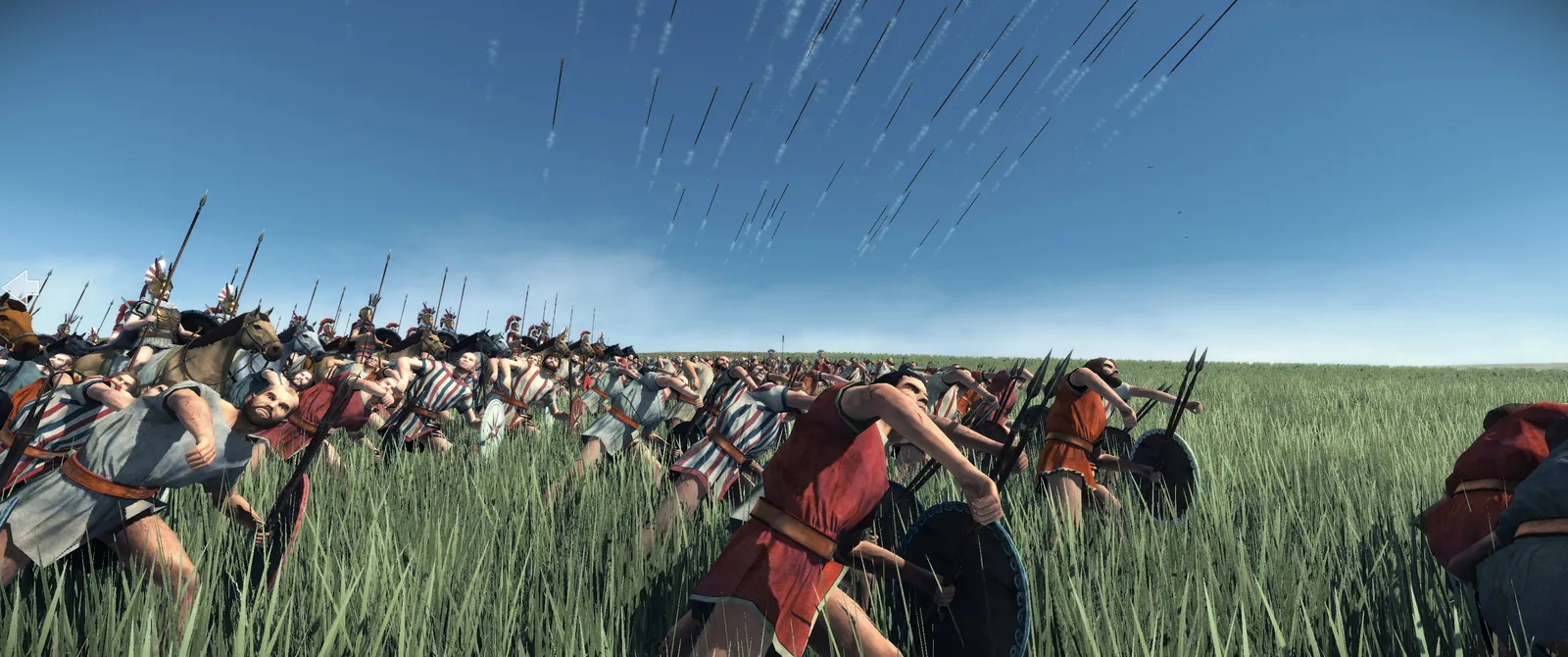
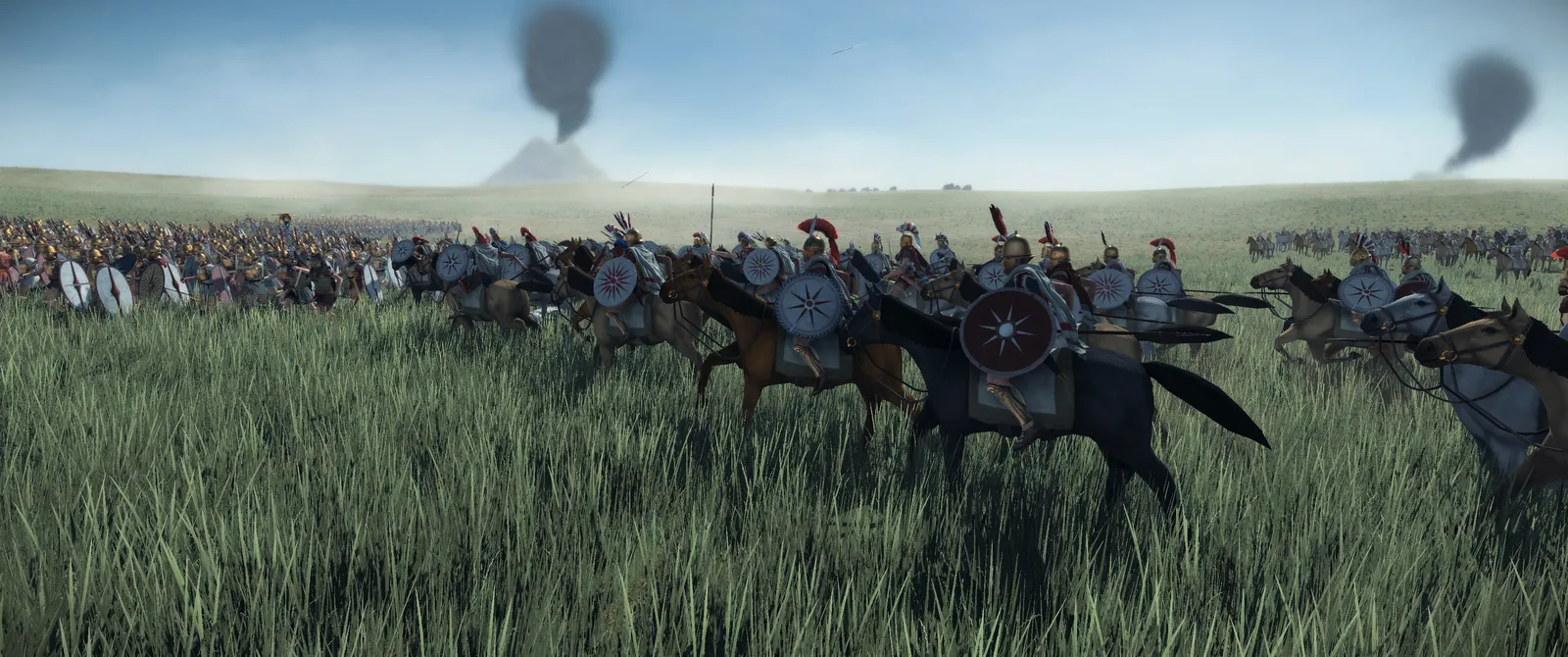
And here are some amazing action shots of the units! Enjoy!
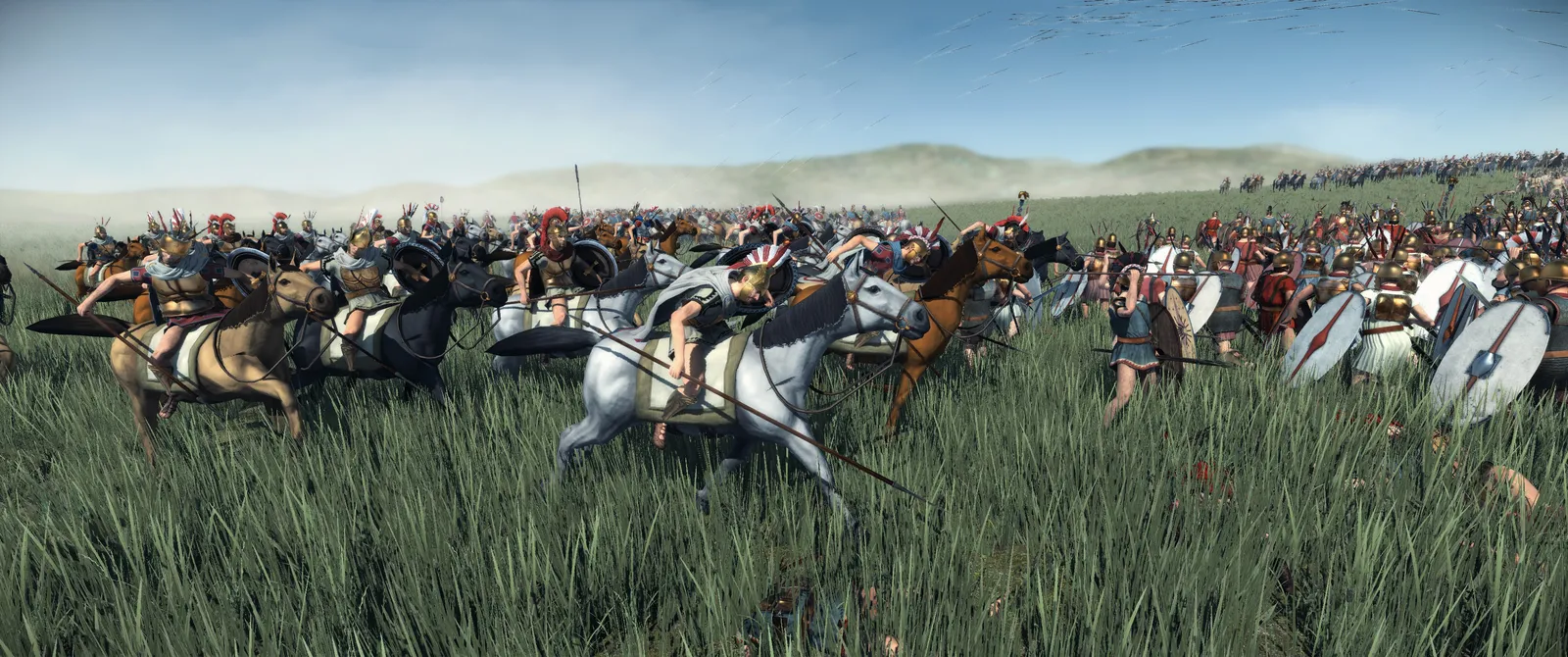
This concludes our Developer Diary for today! Discuss your thoughts and questions in developer-diary-discussion and see you next time!