diaries 2026 04 20 the messapians - RTR-Imperium-Surrectum/ris-wiki GitHub Wiki
The Messapians
2026-04-20 · jottel

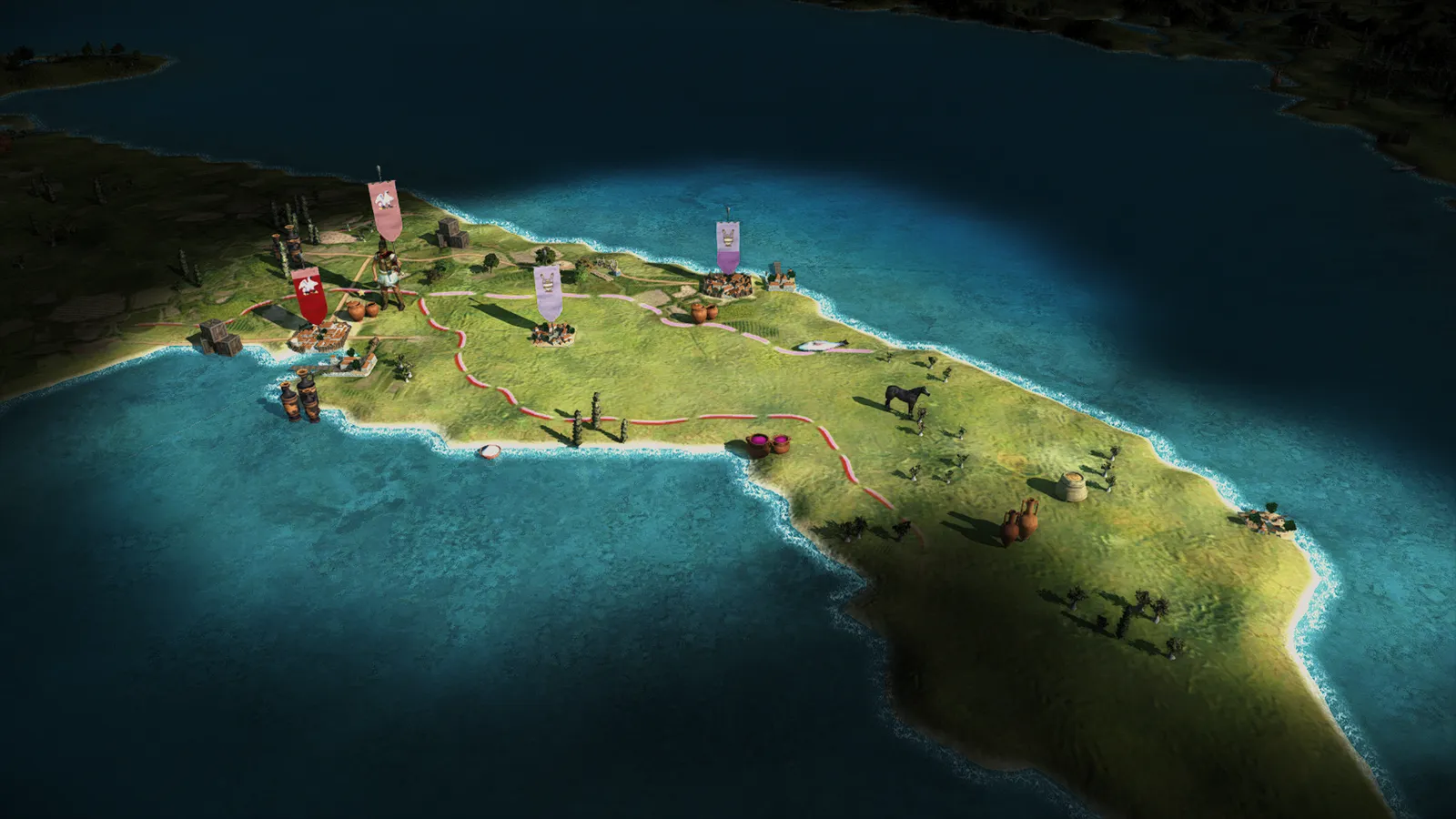
Hello everyone, and welcome to our new Italic Developer Diary. Today, we present to you the Messapian faction. The Messapians are one of the few remaining factions that survived Roman expansion until 270 BC, though not for long. After supporting the intervention of Pyrrhos of Epeiros on behalf of the Tarentines, they became isolated in southeastern Italy as Rome wrestled down one Pyrrhic ally after the other. By 272 BC, with the triumphs of Spurius Carvilius Maximus and Lucius Papirius Cursor over the Samnites, Lucanians, Bruttians and Tarentines, all major resistance to Roman hegemony in Italy had been put down, only pockets of Italics outside the Roman “alliance” remaining, among them the Picentes, the Sarsinates and the Messapians (+Sallentinoi). In 267 BC, the Sallentinoi were defeated by Marcus Atilius Regulus and both they and the Messapians as a whole were conquered in 266 BC by the double-consular army of Numerius Fabius Pictor and Decius Junius Pera and added to the Roman “alliance.” So, how did we get here? The Messapians were part of a broader population which the Greeks called “Iapyges” located in southeastern Italy adjacent to the “heel” of the peninsula. Besides the Messapians, the other major peoples included in this category were the Apulii, which included the ones who the Greeks called “Daunioi” to the very north and the “Peuketioi” (alternatively also Podiculi) in-between. Strabo says that the “Messapioi”, as the Greeks called them, divided themselves into the Kalabrioi in the northern part of the heel and the Sallentinoi in the south, appropriately called the Sallentine promontory. But all of these terms were often used interchangeably or depending on the context, so the name Messapioi sometimes includes and sometimes excludes the Sallentinoi, Iapyges may sometimes refer only to those two peoples or used for everyone but them. For the following history section, this is important to keep in mind.
The origin of these peoples has puzzled ancient and modern authors alike. From a linguistic point of view, their branch of the Indo-European languages - broadly dubbed “Messapic” in modern scholarship - is not connected to the local Latino-Faliscan and Oscan languages (Matzinger, Tria corda (2025), p. 94). Early attempts to connect Messapic to Illyrian had been very ambitious (extensive literature by Hans Krahe and Anton Mayer) but still remain largely without clear results. This is not due to a lack of Messapic material (the language is attested in several hundred inscriptions using the Greek alphabet) but rather because we lack any substantive material on the Illyrian language(s). What can be argued with some amount of confidence is that Messapic probably originated from the so-called “Paleo-Balkanic” branch of the Indo-European language family and had entered Italy over the Adriatic Sea in the 2nd millennium BC, where both it and Proto-Illyrian on the other side developed into separate languages (Matzinger (2025), p. 96). Similarities between the two can be made out in personal and geographic names, which serve as the only basis for Illyrian language reconstructions, but it remains difficult to tell if these result from both languages broadly being part of Indo-European family or because they are indeed closely related.
This odd status of the Iapygians in Italy has led to many various explanations for their origins already starting in antiquity. Most popular in our extant sources is the assertion that they descended from Minoan Cretans, who sailed with Minos to Sicily in search for Daidalos. After Minos died, his Cretans were caught in a storm and stranded in Italy, where they founded a number of settlements, among them Hyria (Hdt. VII.170) and Brundisium (Strab. VI.3.6) and became the Iapygians, named after Iapyx, the son of Daidalos and a Cretan woman (Antioch. fr. 14 Jacoby apud Strabo, VI 3, 2, Plin. NH. III. 102-104). Various places, however, have different foundation myths: For Brundisium there is also a version wherein it had been founded by the Cretans who came over with Theseus from Knossos (Strab. VI.3.6), or by the Aitolians led by Diomedes, who is closely connected to Daunian origin myths in general (Ant. Lib. Met. XXXVII 1–4) and thus is also said to have founded a number of places there (Brundisium: Just. Epit. XII.2.5-12; Canusium and Arpi: Plin. NH. III. 102-104; temple of Artemis: Mir.ausc. 110 (840b)).
At the same time, a different explanation of the Iapygian origins was sought in an Illyrian connection, a theory that is favoured by a significant part of modern scholarship as alluded to earlier: Thus, in a fragment from the geographer Hekataios of Miletos (fr. 86 Jacoby) it is noted that Iapygia is the name of two cities: one in Italy and the other in Illyria. Pliny (NH. III.139) remarks that a tribe called Peucetiae used to live in Liburnia/Illyria. A fragment of the 2nd century BC poet Nikandros of Kolophon (fr. 47 Schneider, apud Ant. Lib. Met. XXXI) says that Iapyx, Daunios and Peuketios were sons of the Arkadian mythological figure Lykaon, who expelled the Ausonians (i.e. native Italians) from the coastal area and settled Iapygia with an Illyrian population that had joined the expedition under the leadership of Messapios, thus also dividing the region into Daunia, Peuketia and Messapia (also mentioned by Plin. NH. III.99. Oinotros and Peuketios as sons of Lykaon also in Dion. Hal. I.11.2-4; I.13.1).
Whatever their origins may have been, early contacts between Greeks and locals, especially with the foundation of the Spartan colony of Taras in 706 BC, brought early Hellenization to Iapygian culture who started adopting and using Greek script from that point on (Matzinger (2025), p. 97-98). This relationship started out as quite antagonistic (Antioch. Fr. 14 Jacoby apud Strab. VI.3.2: “Taras […] a bane to the Iapygians”). This is demonstrated by the fact that the Messapians, neighbours of Taras, were more conservative in their Hellenization process than the Apulians who were further away. One of the greatest slaughters the Greeks ever experienced up to the time of Herodotos was a massacre of a Tarentine-Rhegian army at the hands of a 20.000 men strong Messapian army in 473 BC that resulted in the death of an unknown number of Tarentines and 3.000 Rhegians. The latter were even pursued to their city, which then (temporarily) fell to the attackers (Hdt. VII.170; Diod. Sic. XI.52). In their expedition against Sicily in 413 BC, the Athenians (enemies of the Tarentines) allied to the Messapian dynast Artas, who gave them 150 javelineers as auxiliaries (Thuk. VII.33.4) and the alliance coincided with an increased import of Attic pottery until the end of the 5th century BC (Carpenter; Lynch; Robinson, The Italic People of Ancient Apulia (2014), p. 29). The Tarentines sent a tithe made from the spoils taken from the “Peuketioi and Iapyges” to Delphoi (Paus. X.13.10) which depicted the Iapygian king Opis being killed and the Tarentine hero Phalantos of Lakedaimon standing over him. Strabo says that the Tarentines at one point concluded an alliance with the king of the Daunioi and the king of the Peuketioi to fight the Messapians over Herakleia (Strab. VI.3.4).
Increasingly often, Taras asked her mother city Sparta or the Epeirotes across the sea to help in their wars. Between 342 and 338 BC, the Spartan king Archidamos III, son of Agesilaos, fought on their behalf until he was killed by the Messapians near Manduria (Strab. VI.3.4; Plut. Ag. 3.2). Alexander the Molossian (370-331 BC), uncle of Alexander the Great, campaigned in Apulia, Lucania and Bruttium from 333 BC, taking the cities of Heraklea, Sipontium, Consentia and Terina, until he was killed at Pandosia in 330 BC by Lucanian and Bruttian javelineers. In 315/314 BC, Taras employed the help of Akrotatos of Sparta against Agathokles of Syracuse (Diod. Sic. IXX.4.1-2; IXX.70-71), though his personal ambitions made them break off the alliance. When Kleonymos of Sparta intervened in Lucania on Taras’ behalf in 303 BC, he won over the Messapians to fight on the Tarentine side, but his campaign remained largely ineffectual (Diod. Sic. XX.104.1-2). The final intervention on behalf of the Tarentines was conducted by the famous Pyrrhos of Epeiros (306-273 BC), who levied troops from his new allies. These included Tarentines, Samnites, Lucanians and Messapians, whose overall total manpower reached 20.000 cavalry and 350.000 infantry (Plut. Pyrrh. 13). His ultimate failure and retreat to Greece in 272 BC resulted in the already mentioned defeat of the remaining Italic tribes, the Messapians with some delay, in 267/266 BC (triumphs in 267 BC. “de Sallentineis” and the next year “de Sallentineis Messapieisque”, in: Fasti Triumphales Capitolini, II, XX). After their defeat, a temple was dedicated to Pales, the goddess of shepherds – probably because the region of Brundisium was famous for its pastures and flocks, besides its honey, wool and safe harbours (Flor. I.20; Strab. VI.3.6).
But how did the Romans get to this point? In the 4th century BC, Sabellic tribes like the Samnites and Lucanians expanded from the Apennine mountains into the Apulian valley which also brought significant Oscan influence, especially in terms of military equipment (Carpenter et al (2014), p. 32; Burns, The Cultural and Military Significance of the South Italic Warrior’s Panoply from the 5th to the 3rd Centuries BC (2005)). Samnite and Roman confrontation in the latter half of the 4th century BC saw Apulia as one theatre of war. Rome first came into contact with the Iapygian peoples themselves, when the Apulians and Lucanians put themselves under Roman protection in 327 BC, during the Second Samnite War (Liv. VIII.25.2-4). In 323 BC, as Roman expansion became apparent, war between Rome and the Apulians themselves started (Liv. VIII.37.3-6). The region was first conquered and put under contract in 317 BC, starting with the cities of Teanum, Canusium and Teate and then the rest of Apulia (Liv. IX.20). Two colonies were founded to control potential connections between Samnites, Lucanians and Apulians, one being the Apulian city of Luceria in 314/313 BC (which they captured from the Samnites in 320 BC), the other one Venusia in 291 BC (Vell. I.14.6). In the war against Pyrrhos, the Apulians were on the Roman and the Messapians on Pyrrhos’ side (Plut. Pyrrh. 21).
After Rome subdued the Messapians, they founded the Latin colony of Brundisium in 244 BC, which either suggests that the region was still not completely pacified up to this point (Fronda, Between Rome and Carthage (2010), p. 26) or that Rome’s newly found interest in naval matters made them realise the potential of Brundisium as a harbour to control the Adriatic Sea. It became the most important naval base during the Second Punic War (218-201 BC) and for their expansion towards the Balkan Peninsula and Eastern Mediterranean (Carpenter et al (2014), p. 46). The Messapians themselves rarely appear explicitly as socii units in the Roman army. Their military potential, however, is implied when Polybios lists their census figure during the Celtic war in 225 BC, as the “Iapygian and Messapian” levy had a total strength of 50.000 infantry and 16.000 cavalry (Pol. II. 24.11). Rome’s total levy being 250.000 infantry and 70.000 cavalry, the Iapygian levy alone would have made up roughly 22% (about a fifth!) of the total number of Roman cavalry. This incredible contribution makes sense in the context of the entire region from Apulia to Taras being rich in flocks and horses as well as the Tarentine cavalry itself being so famous that an entire type of miliary unit was named after them. This also influenced our decisions in constructing the roster.
The starting situation in 270 BC:
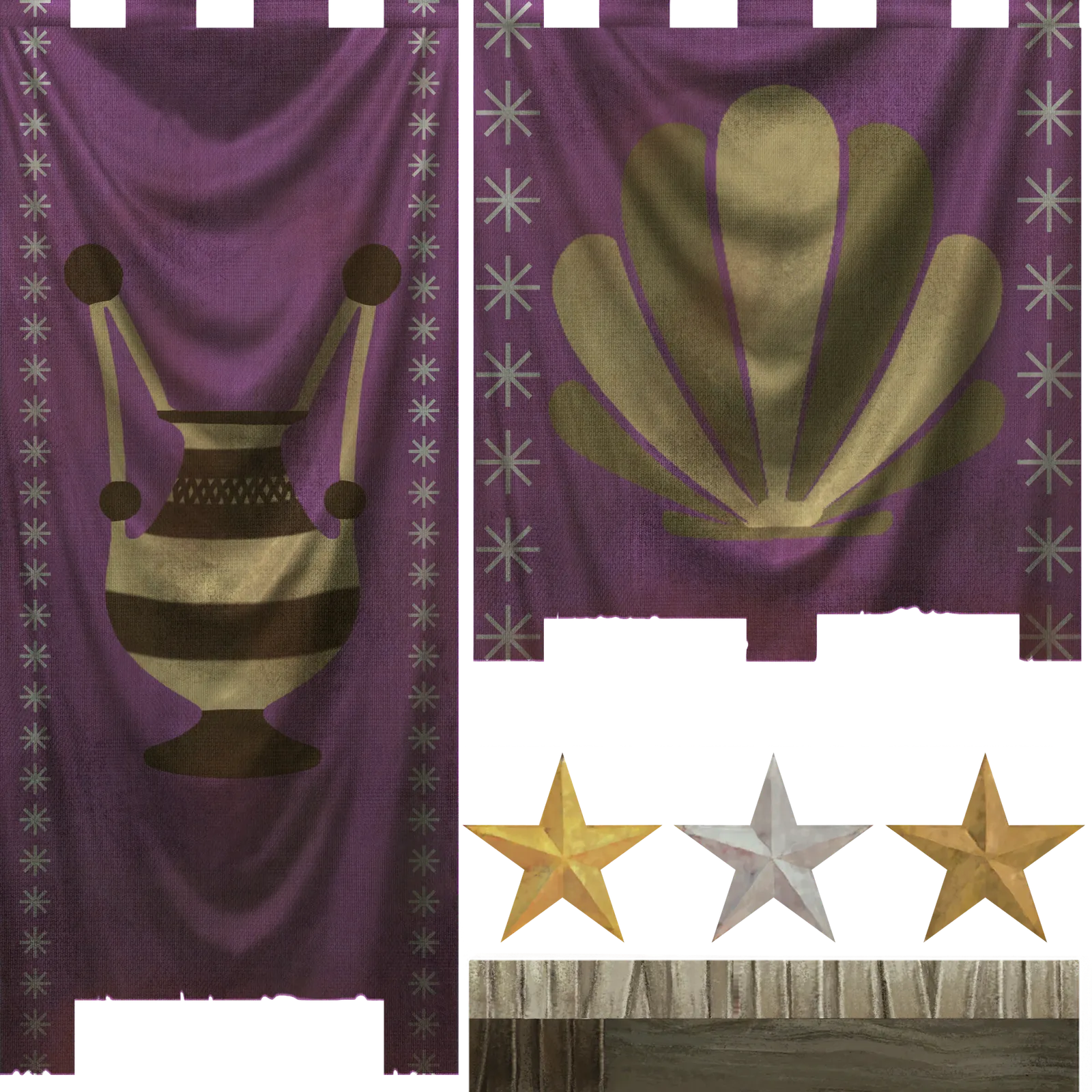
Messapian Javelinmen, derive from Thucydides mentioning the Messapian javelinmen that Artas contributed to the Athenian army, as well javelins being one of the most common weapons in Italic warfare:
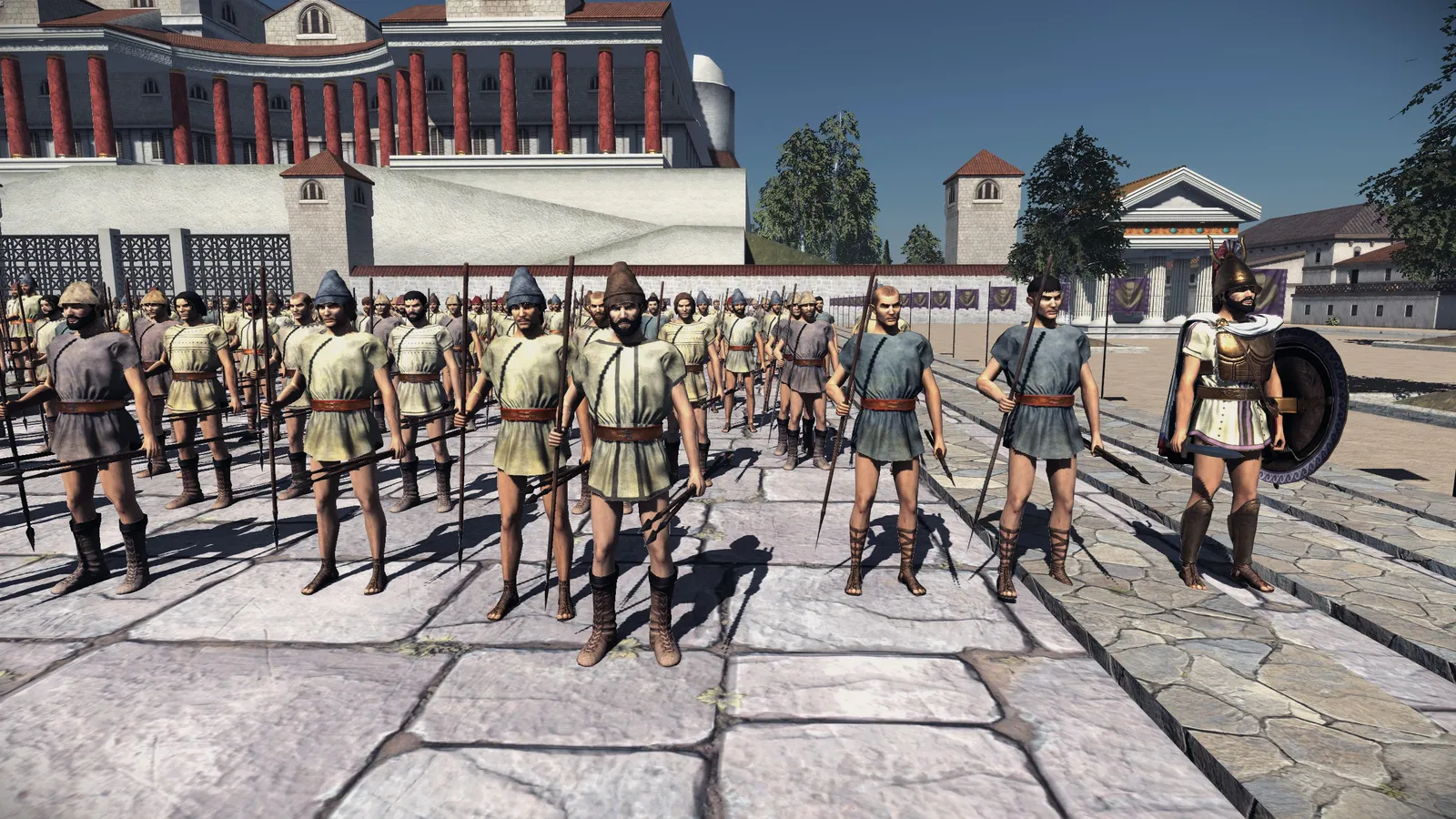
Messapian Spearmen are the basic infantry unit of the Messapians. The thureos becomes a common shield type in the 4th century BC,regularly shown in the warrior depictions of Daunian polychrome pottery:
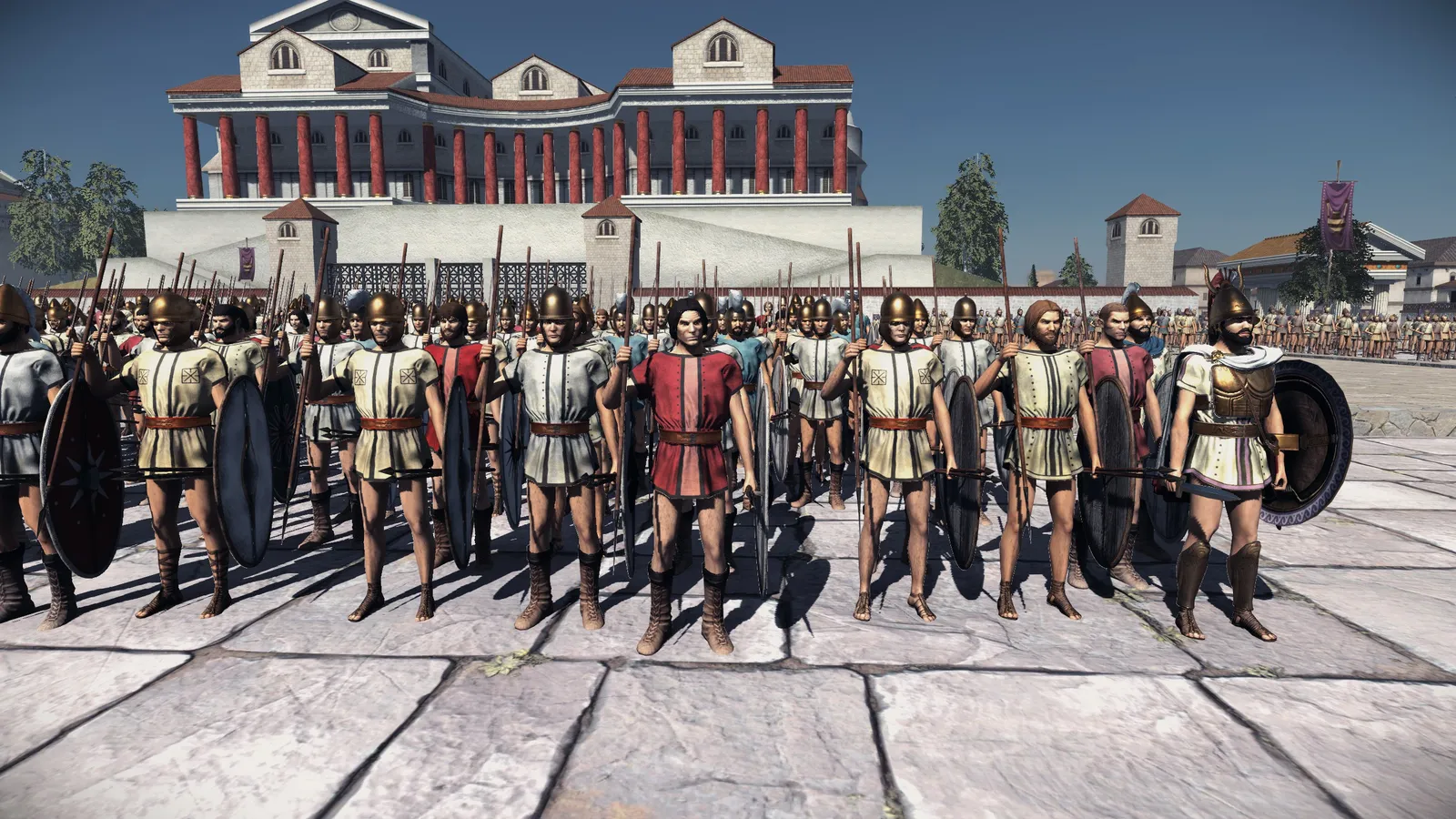
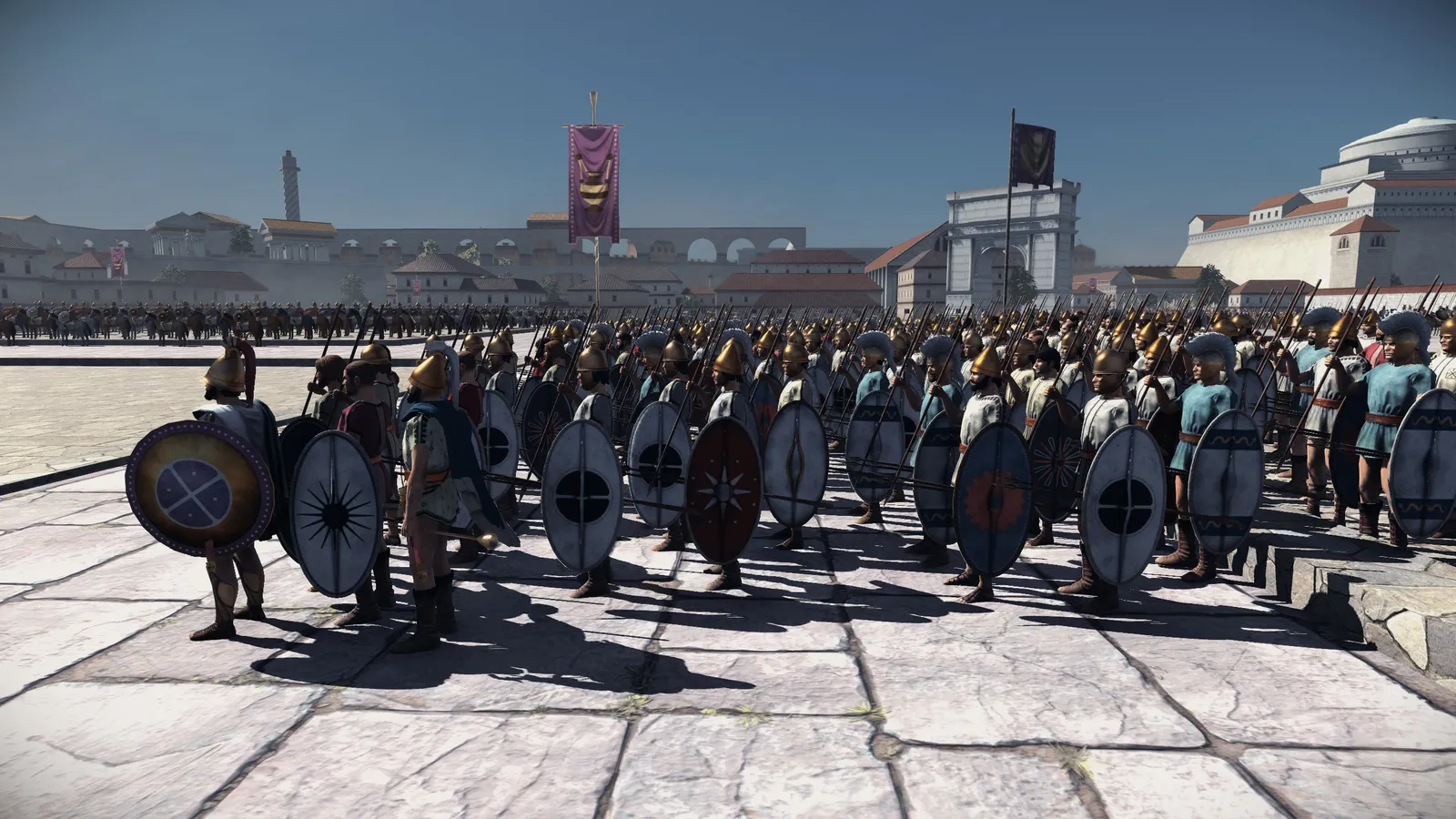
Messapian Thureophoroi are an upgrade of this type of infantry. Depictions of infantry include Greek style cuirasses, silvered (or iron) equipment and thureos shields:
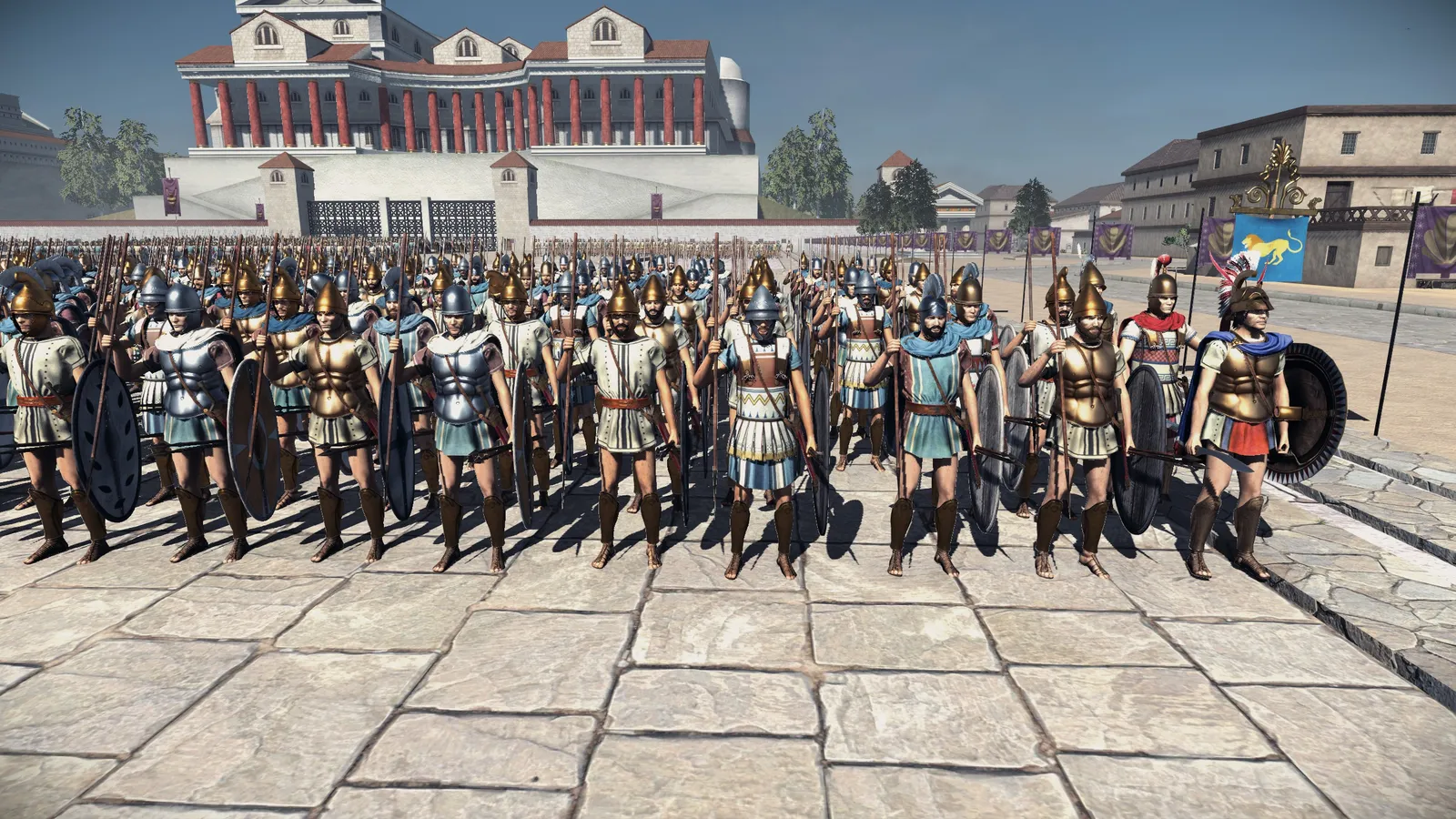
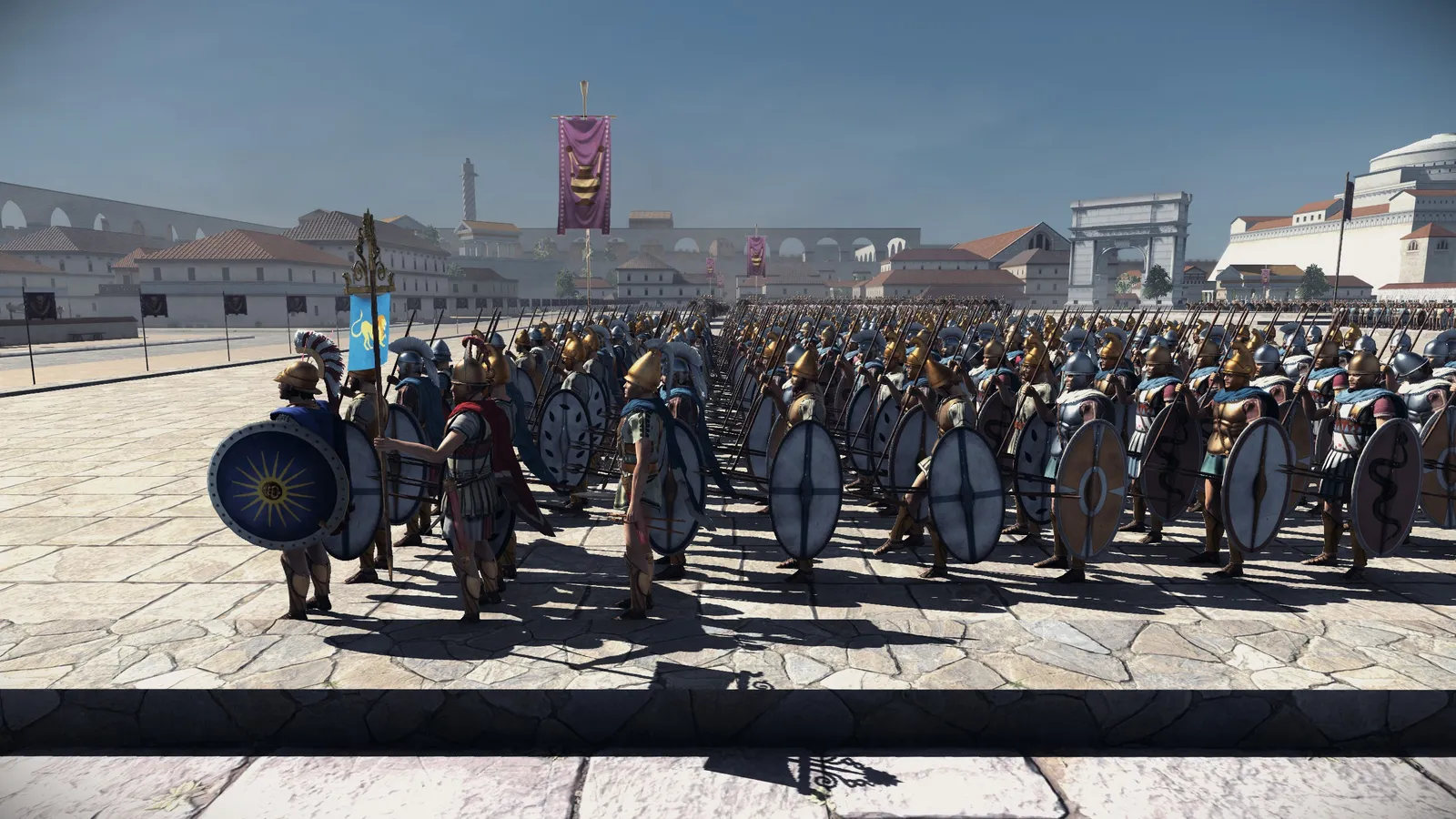
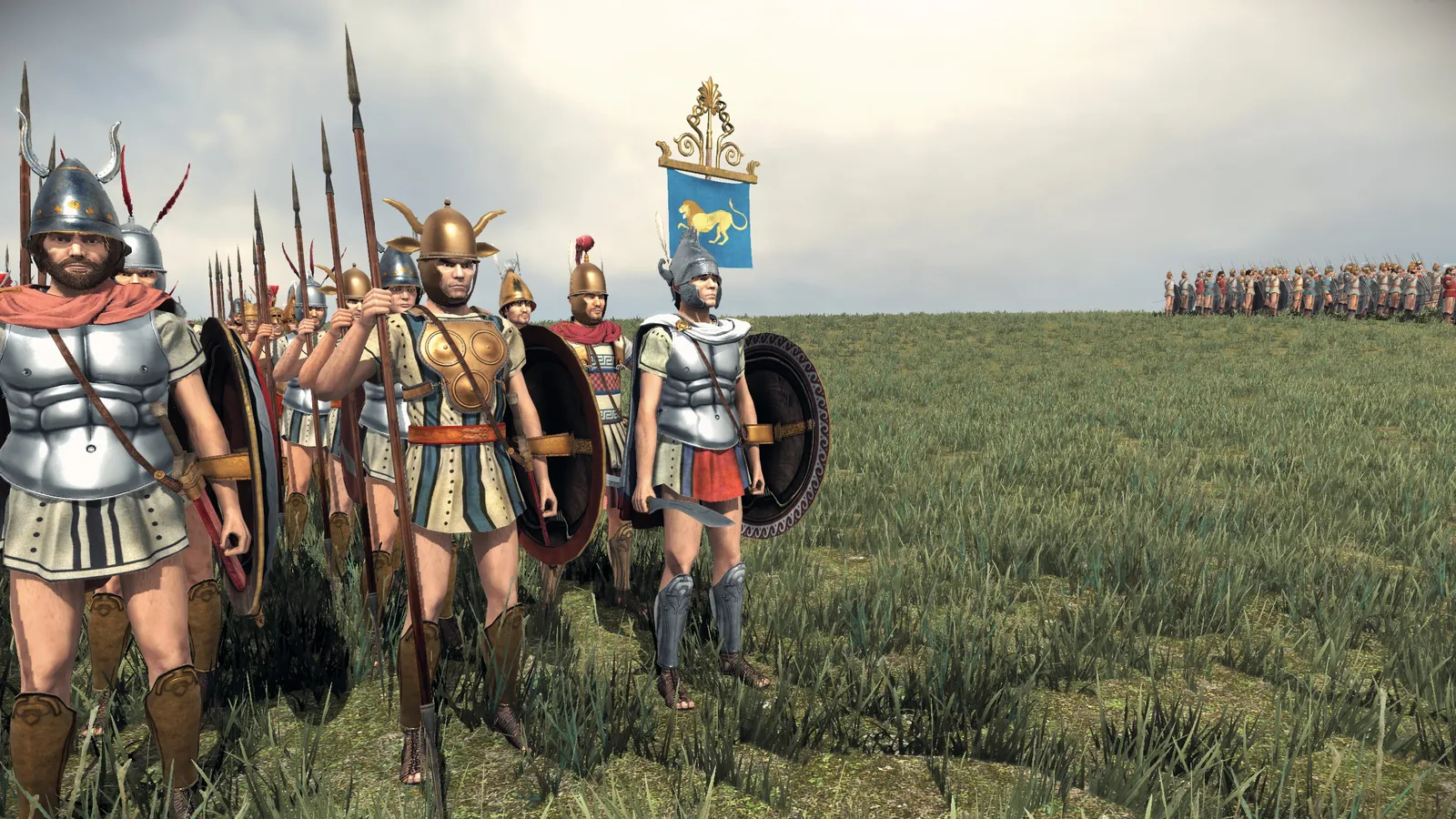
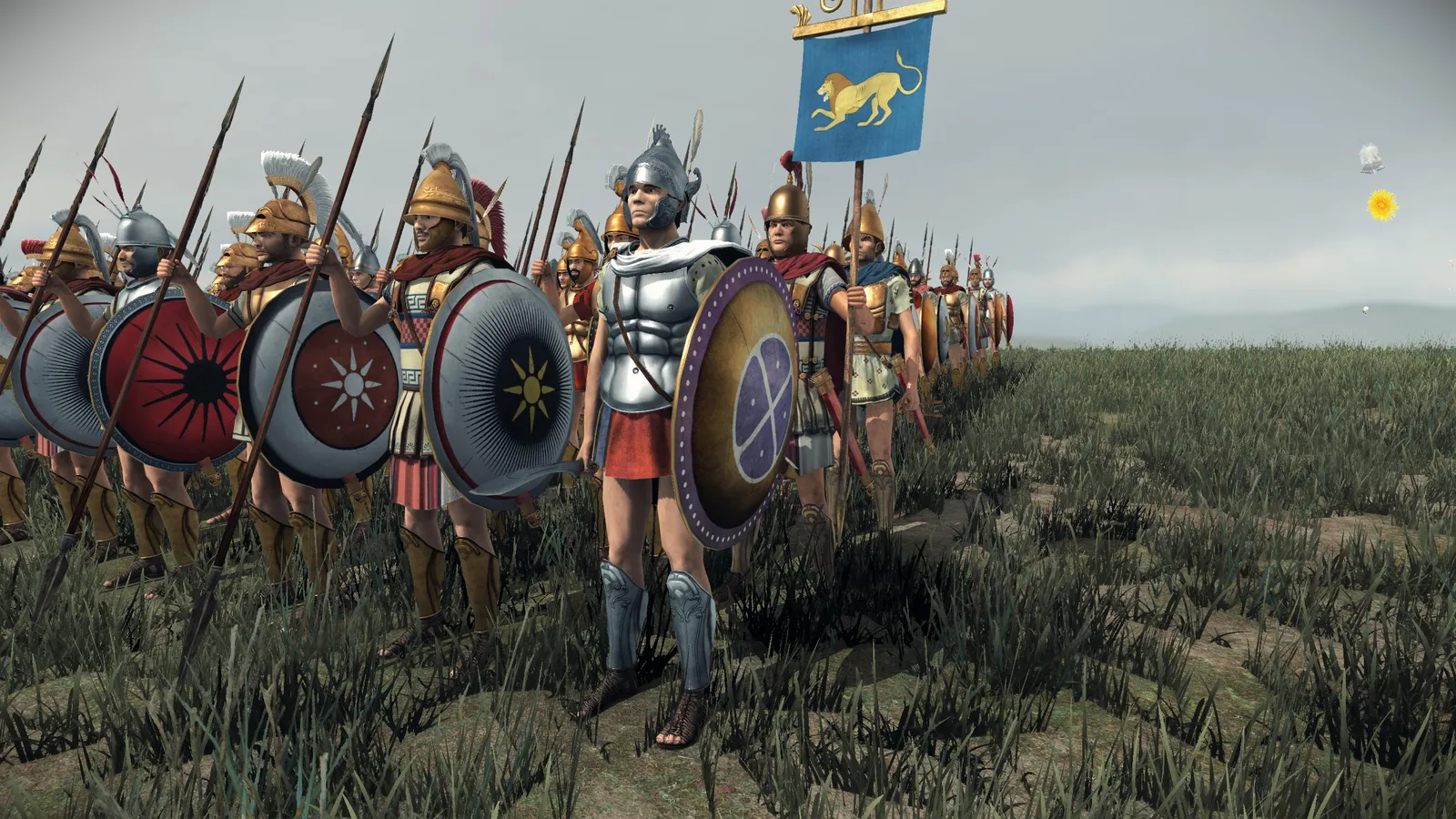
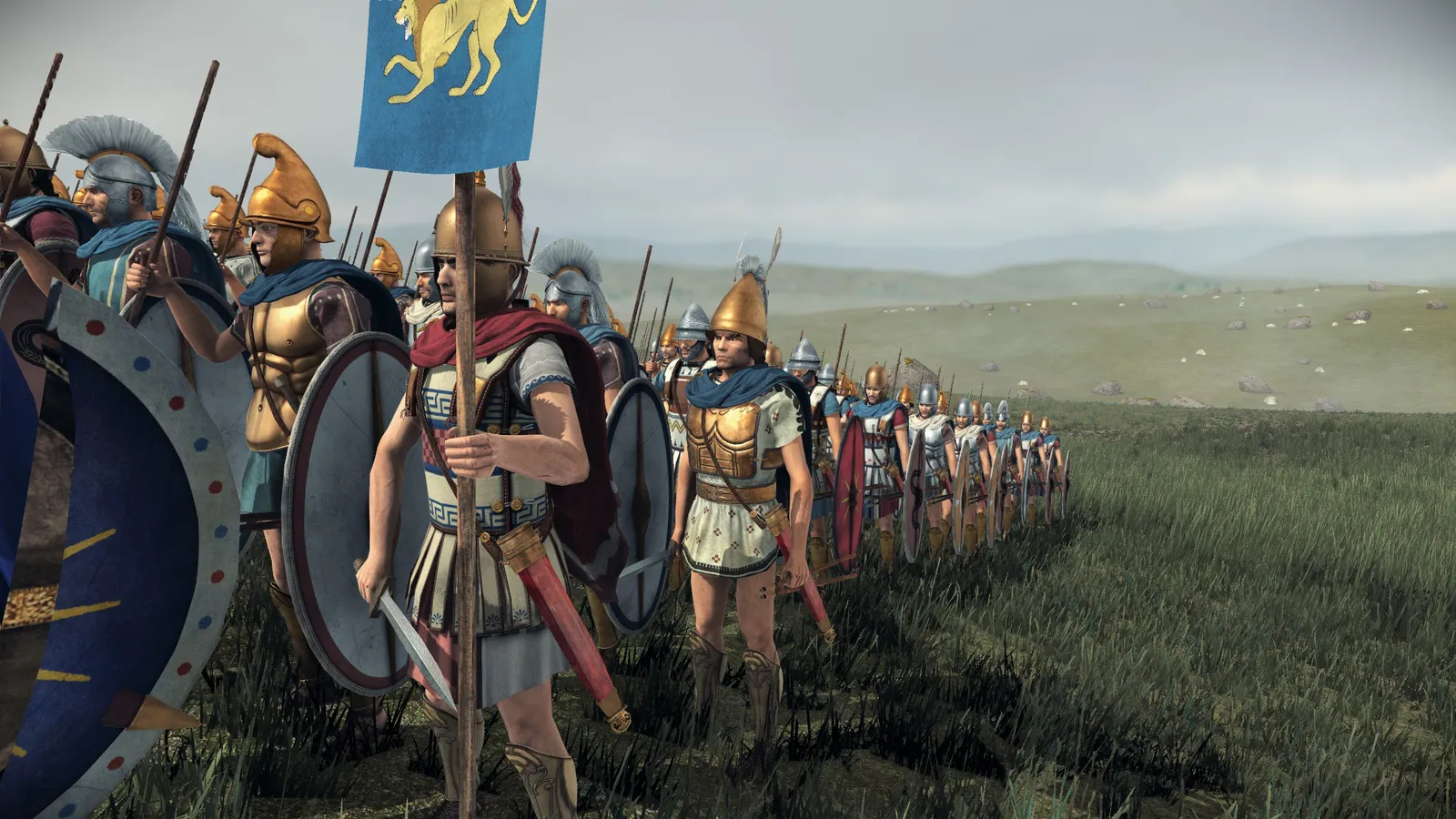
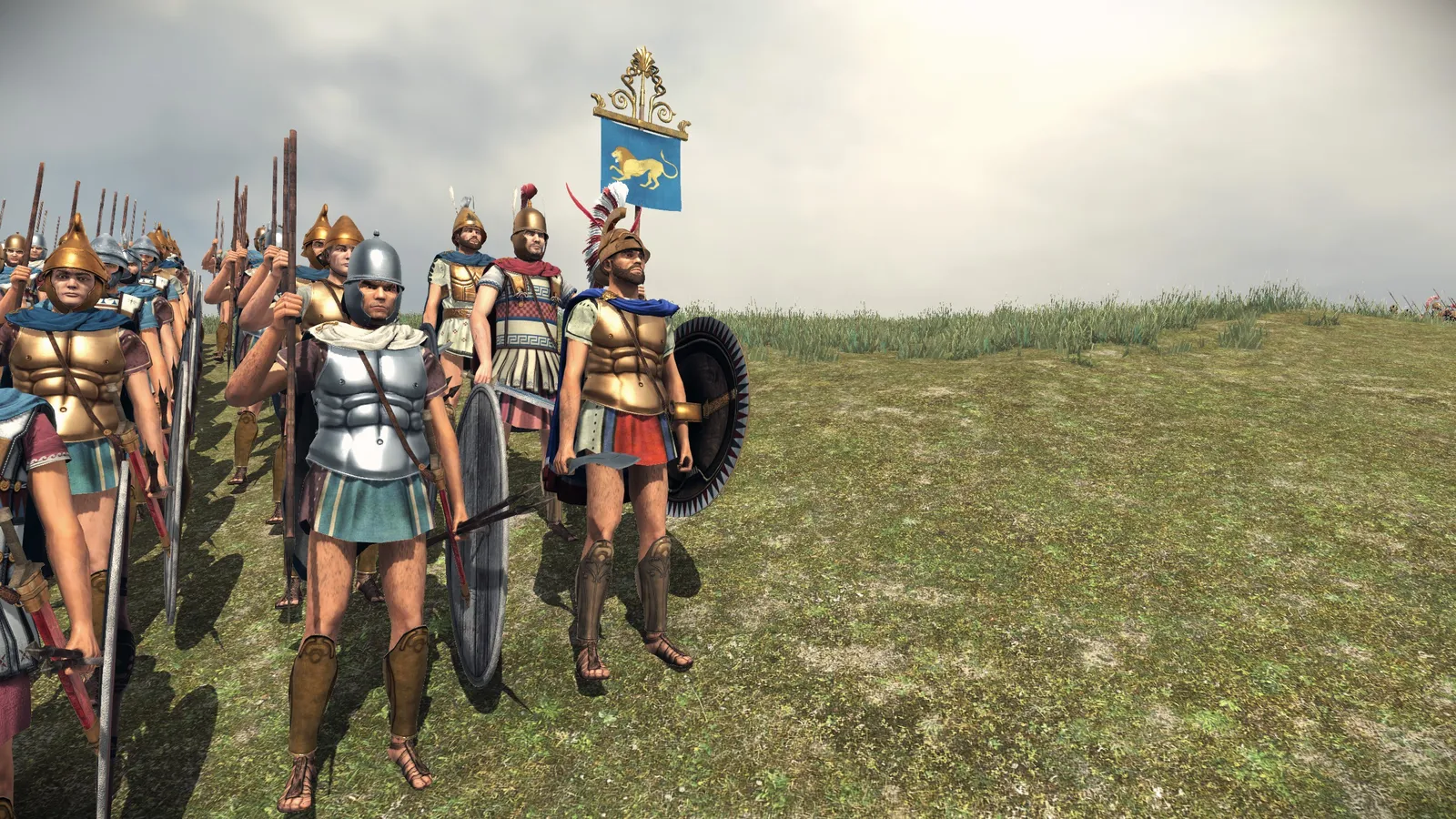
Messapian Hoplites [included in the officer and action shots below] are based on plenty of Greek panoply items in South Italy as well as their depiction on Apulian red-figure pottery, Daunian polychrome pottery and Daunian-Messapian steles. The Greek fighting style had made its way into Iapygia in the Archaic period and items like the “Apulo-Corinthian helmet”, Argolic shields, xiphos swords, greaves and cuirasses are even more numerous in Italy than in Greece due to Italic burial culture
Messapian Skirmisher Cavalry is inspired by the Tarentine cavalry type. Round thureos-like cavalry shields find their earliest and most common depictions in Southern Italy and are thus part of this unit's equipment:
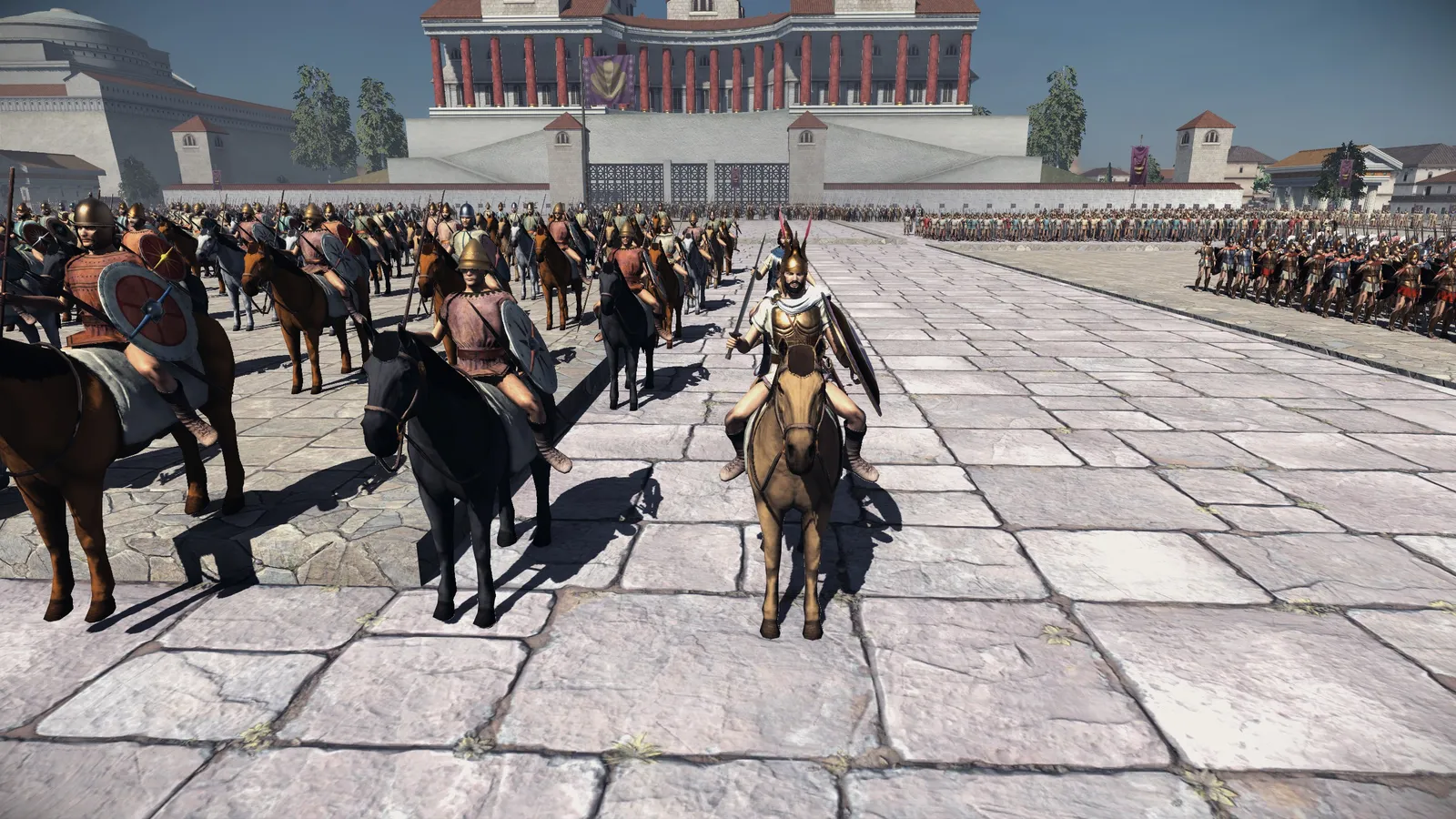
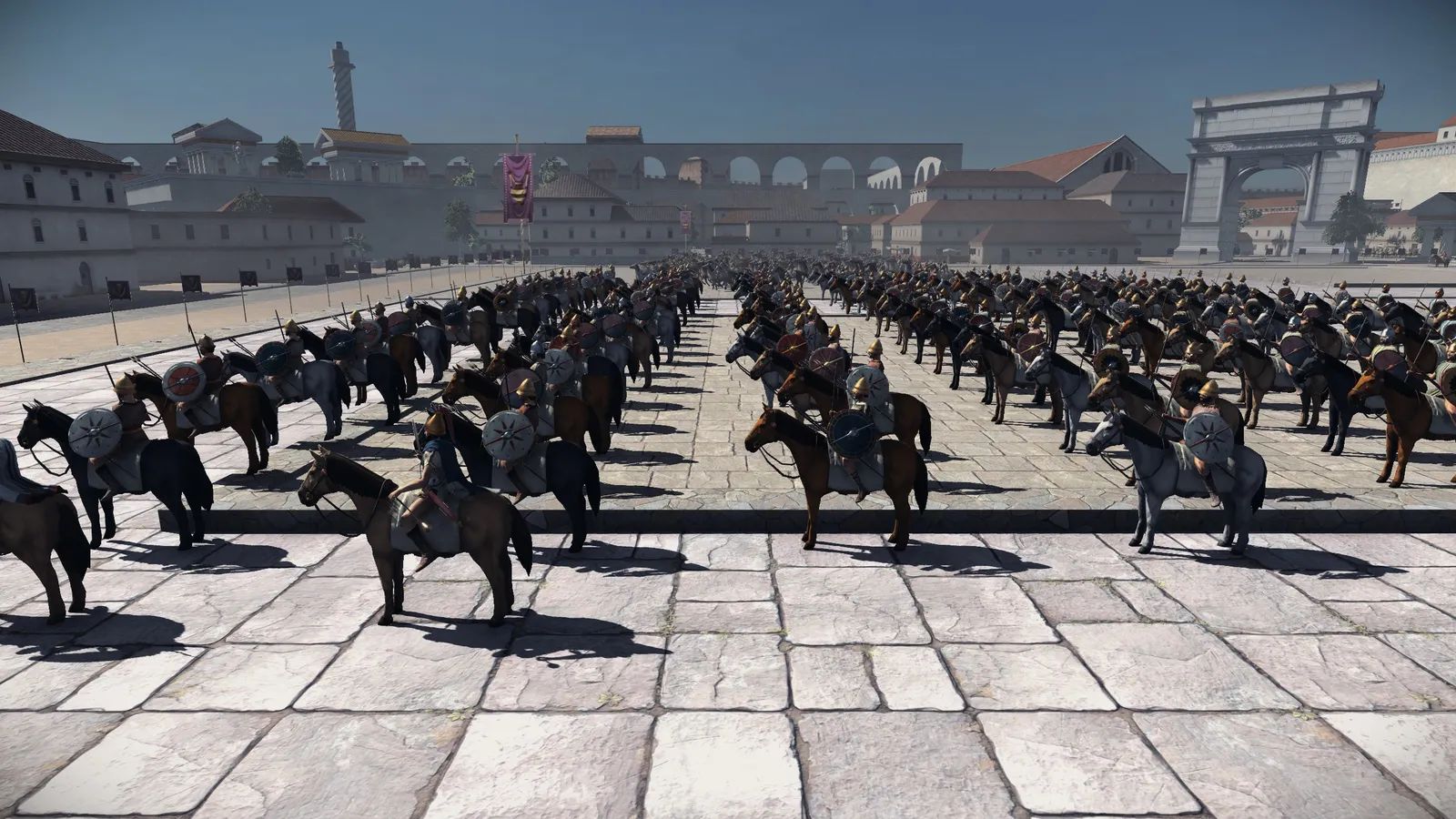
Messapian Light Cavalry, often dubbed “ephebes” in analyses of Apulian pottery, they are lightly armed with several spears but lacking armour:
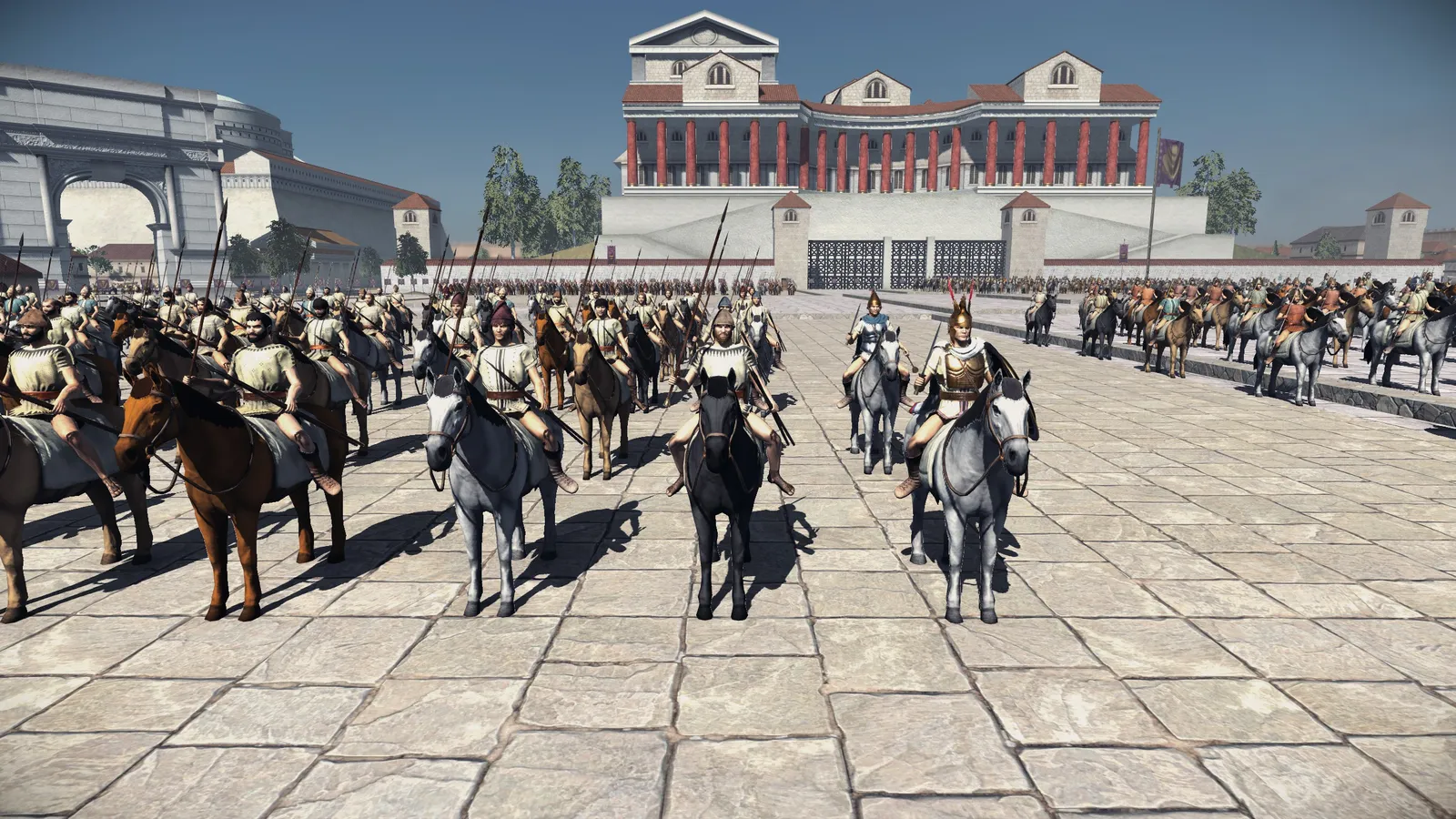
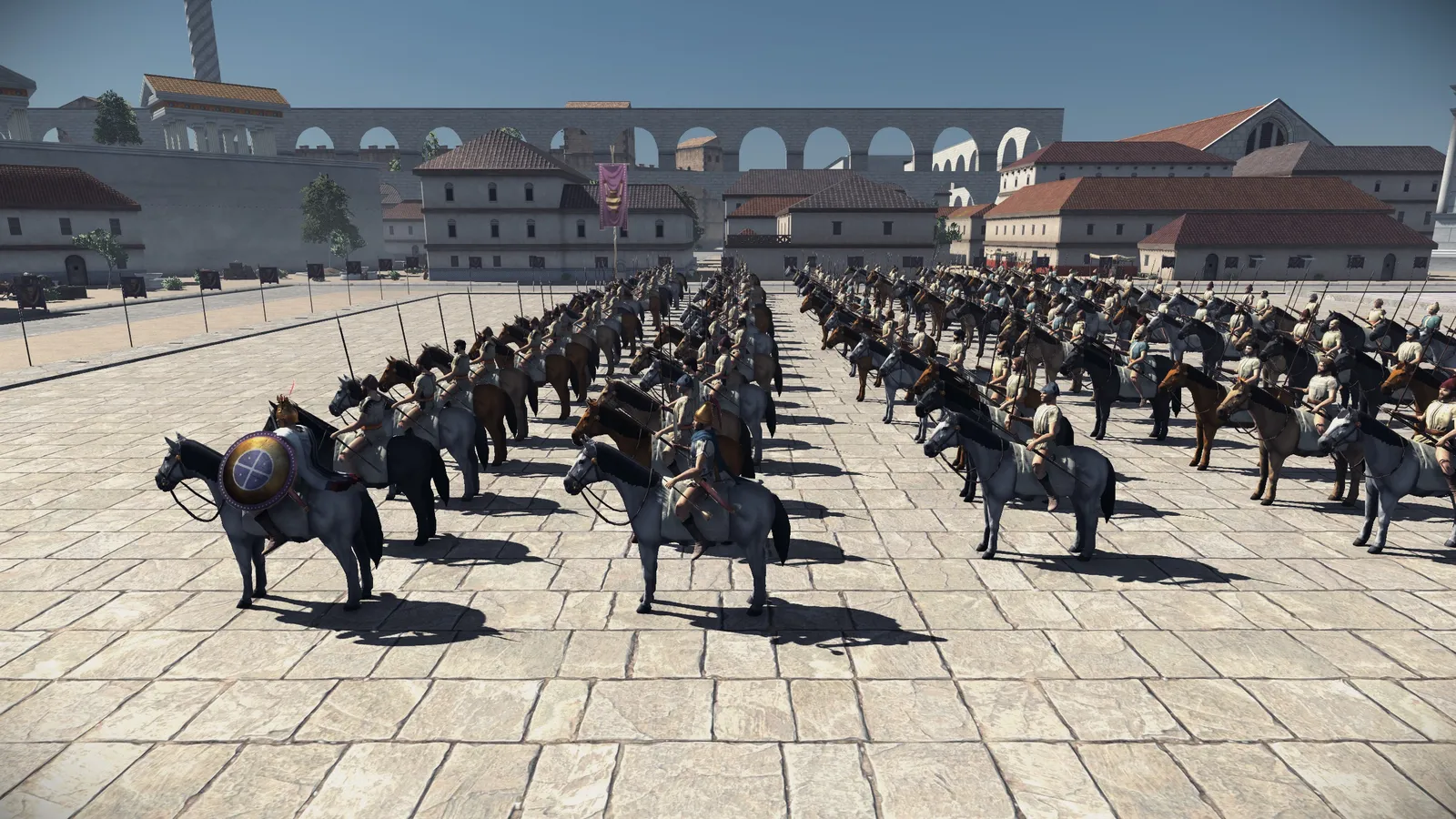
Messapian Lancers are based on the most commonly depicted type of warrior on Apulian red figure pottery and terracotta. The South Italic aristocracy idealized themselves as heroic cavalrymen, often fighting Amazons or going into the underworld, equipped with heavy armour, lances, swords and fancy helmets. Oscan-style armour, like kardiophylakes (i.e. pectoral cuirasses), Samno-Attic helmets and bronze belts are found plenty in the Iapygian region:
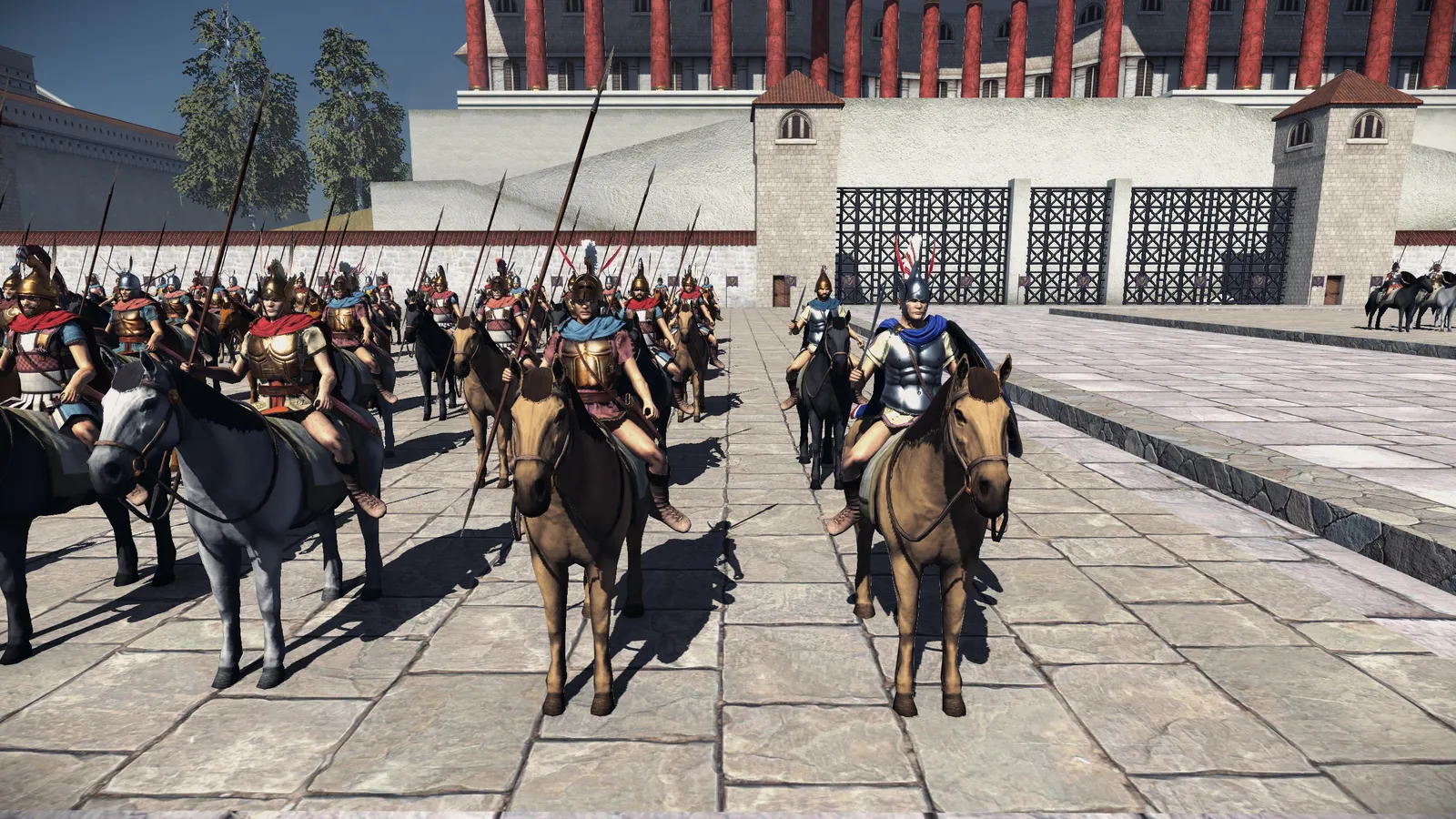
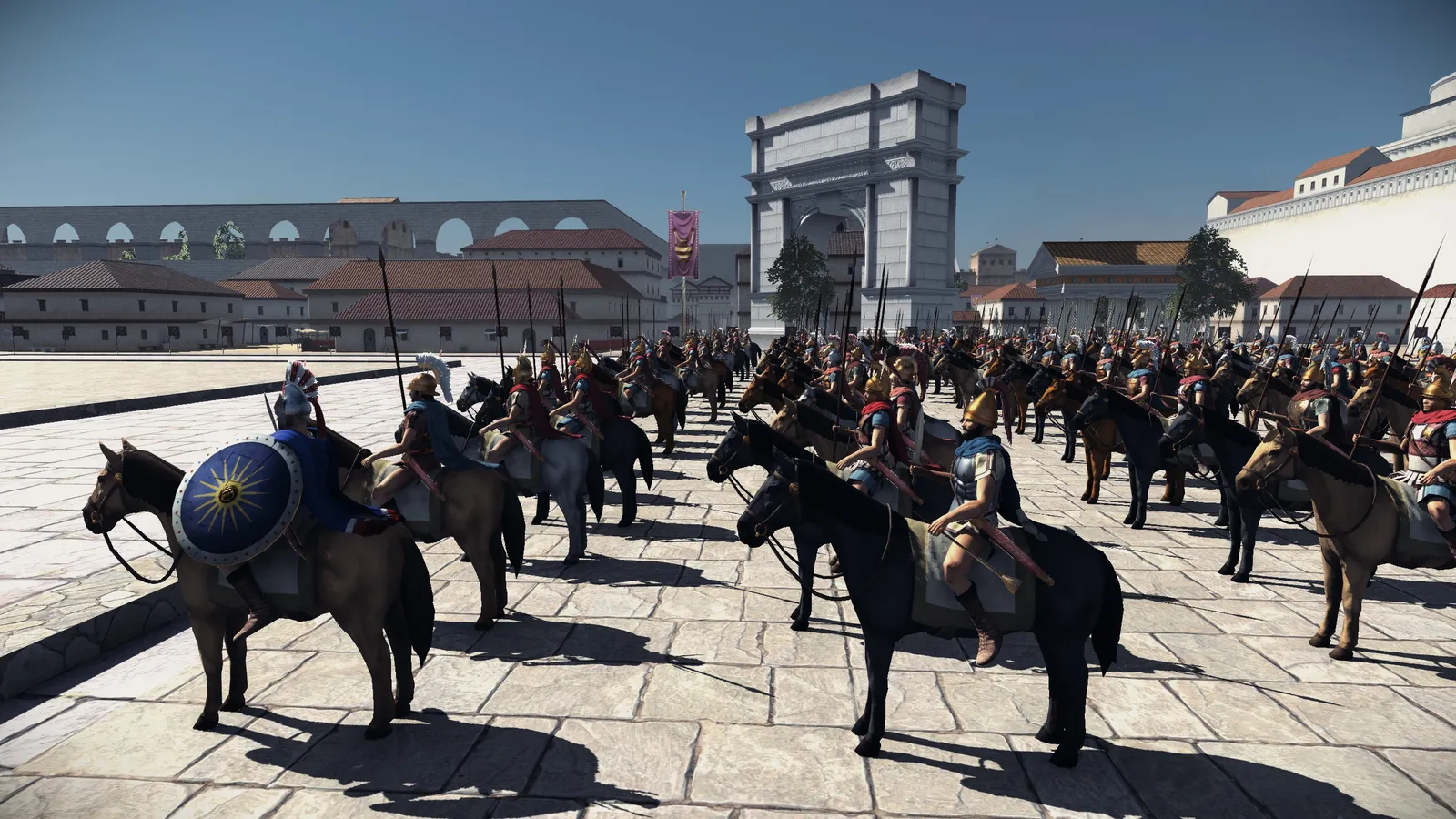
Messapian Heavy Cavalry: An elite cavalry unit protected by large shields and heavy armour:
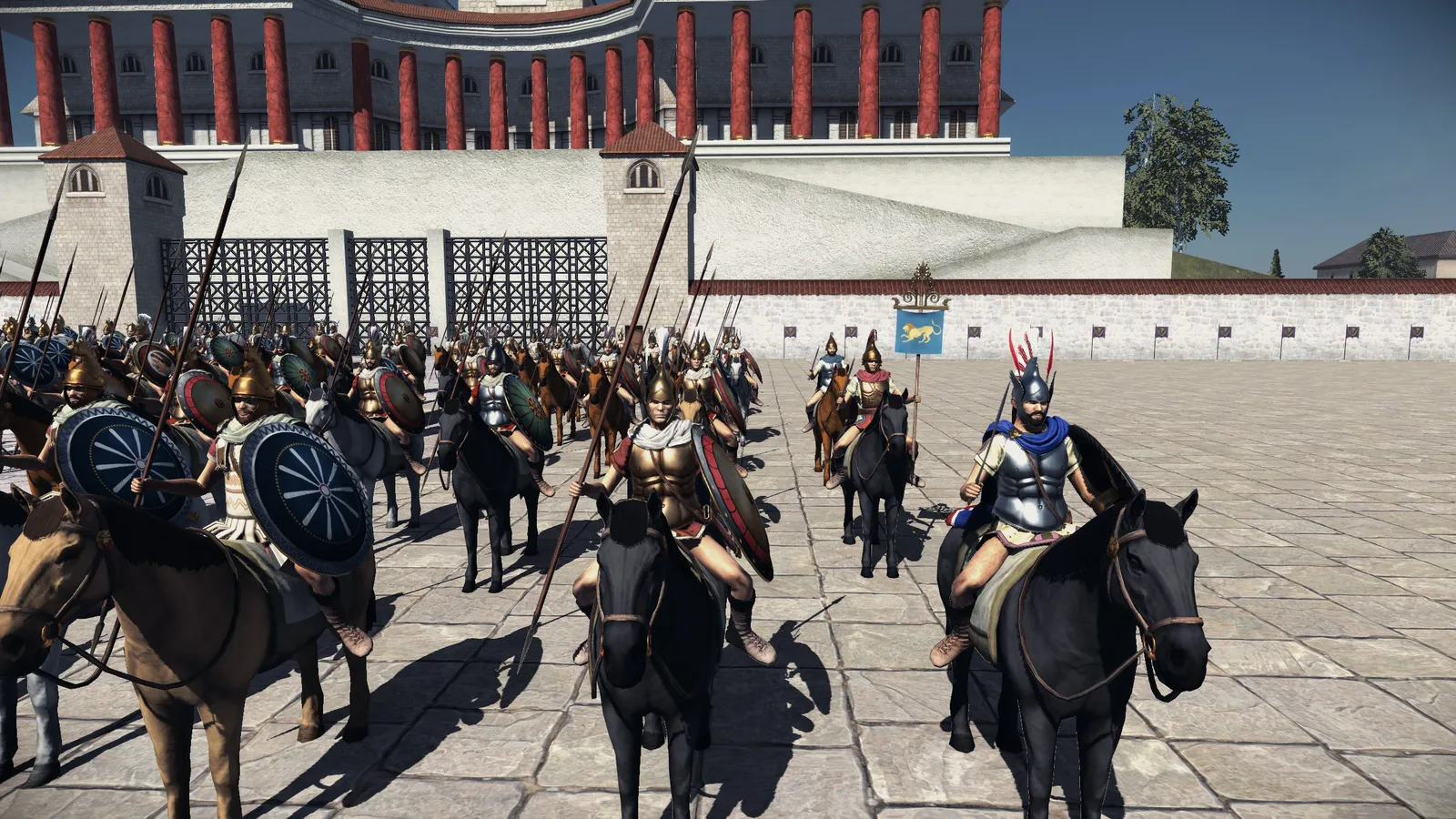
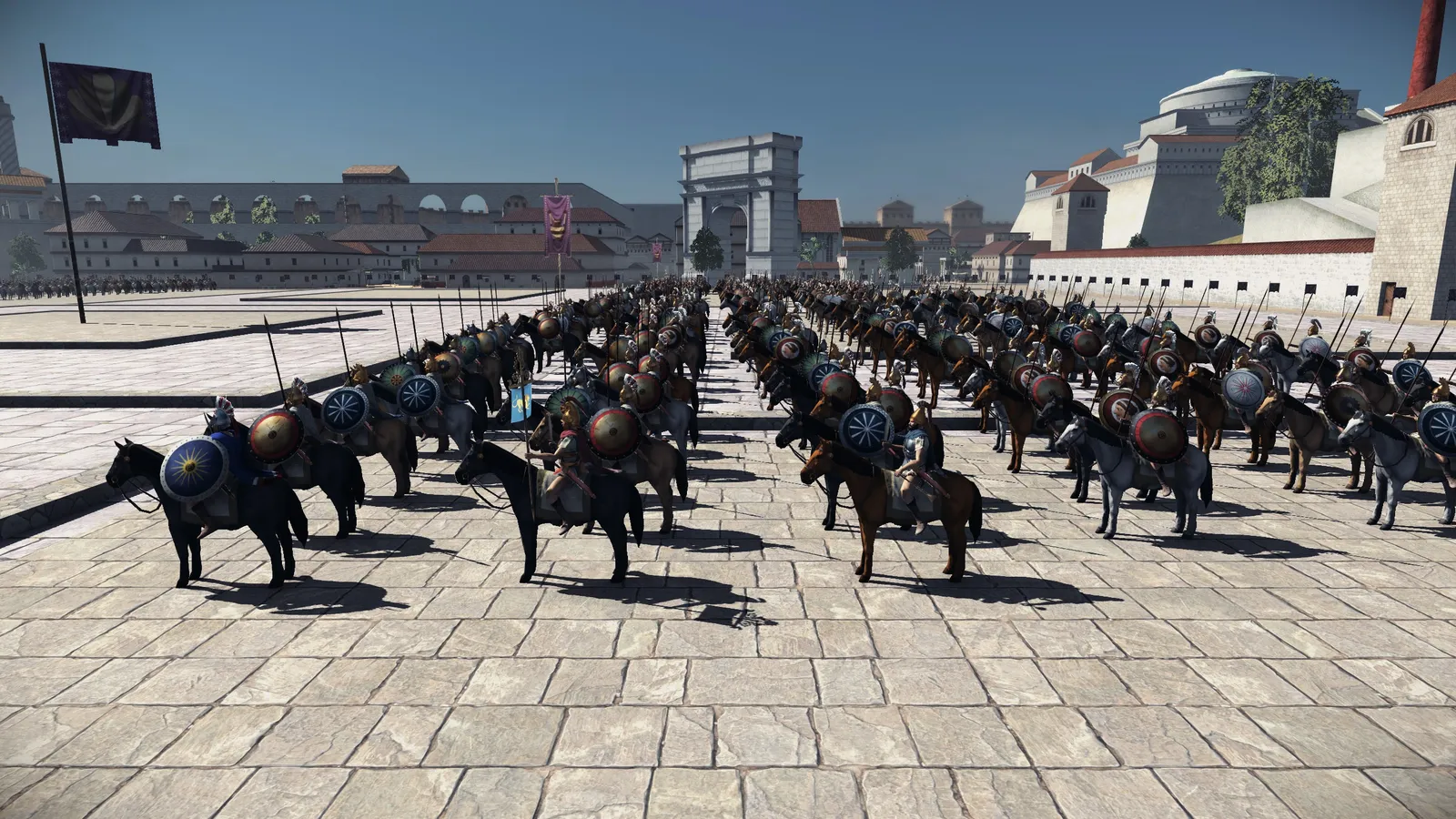
Some more wonderful shots of the officers:
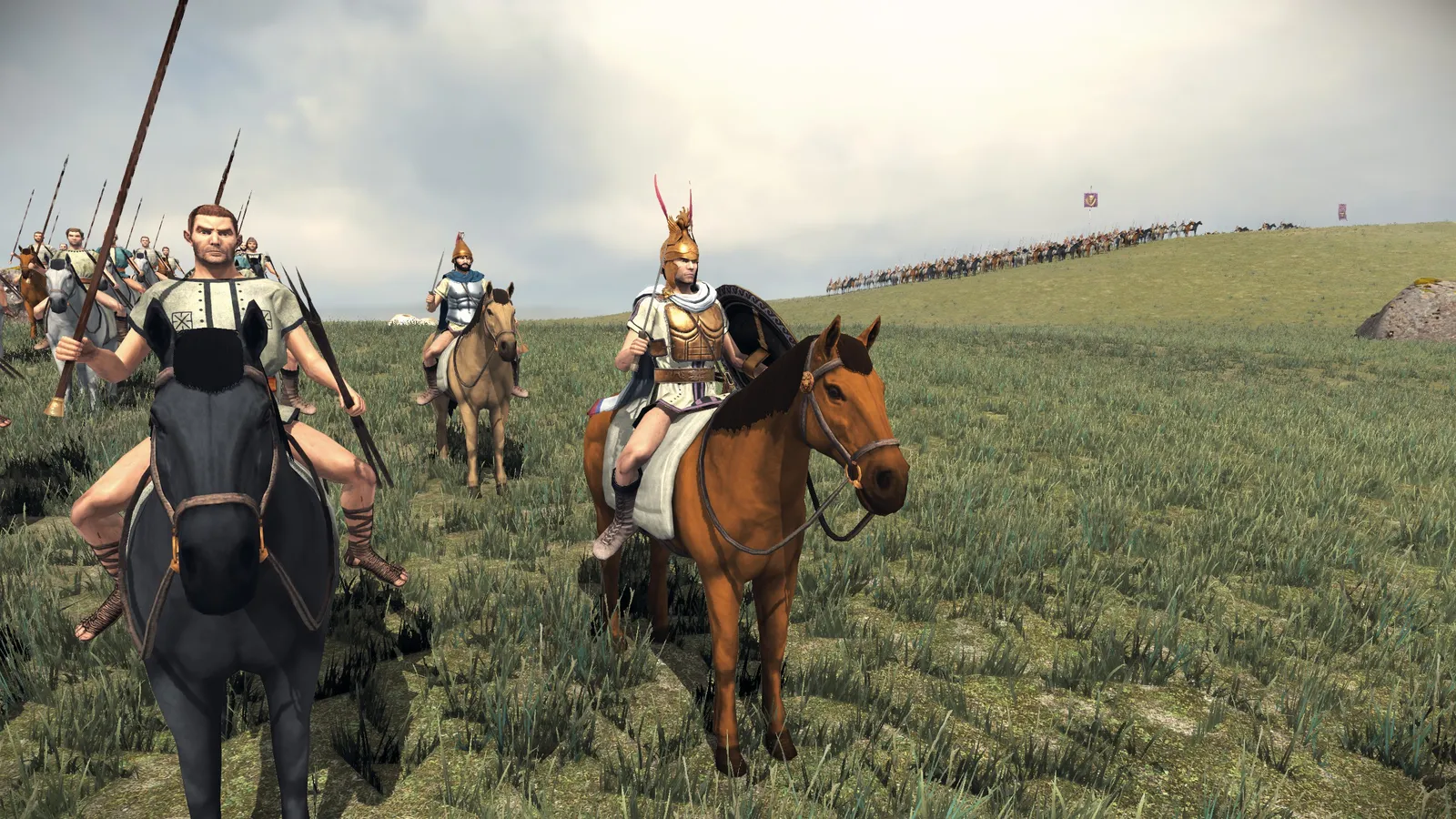
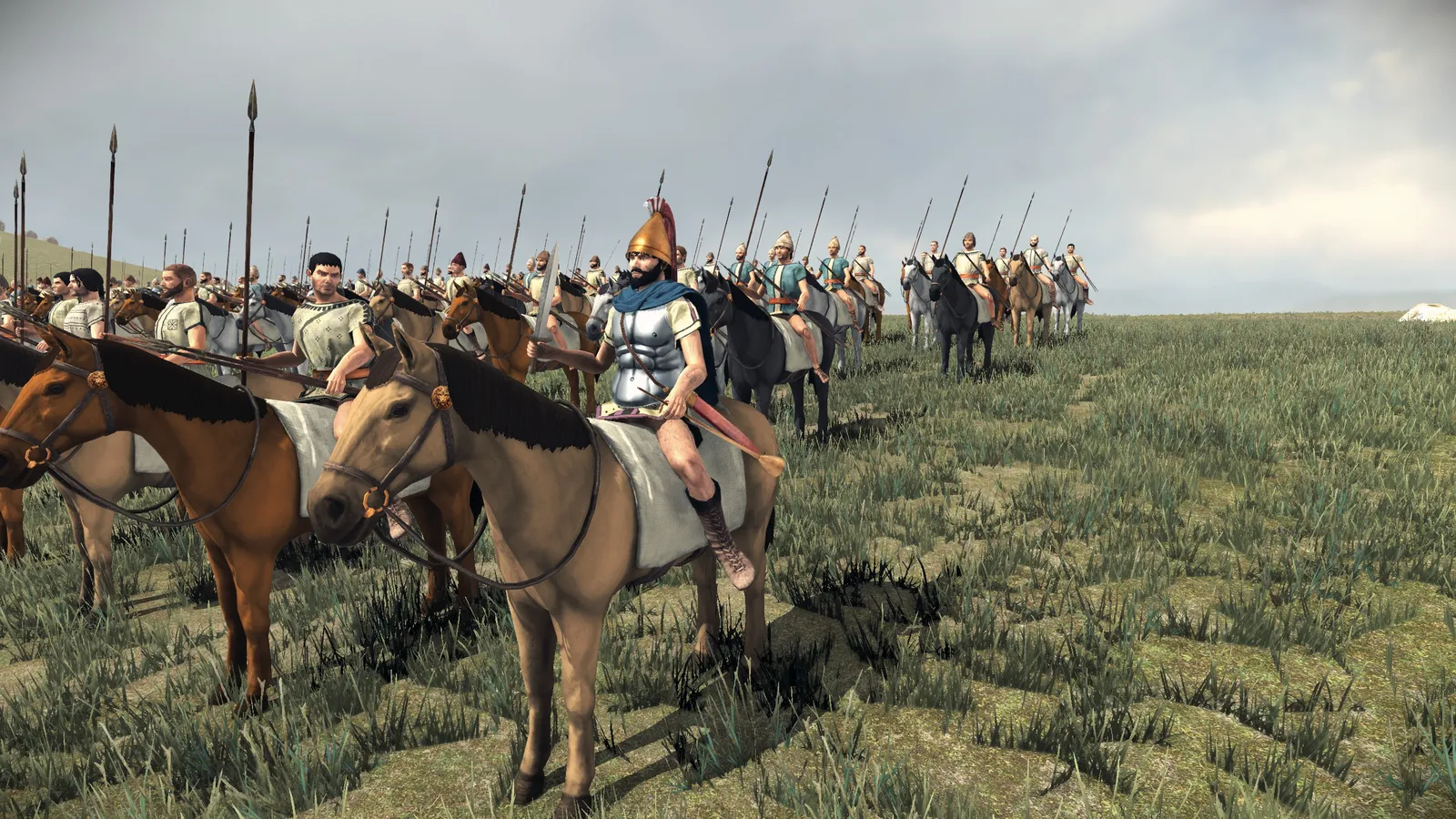
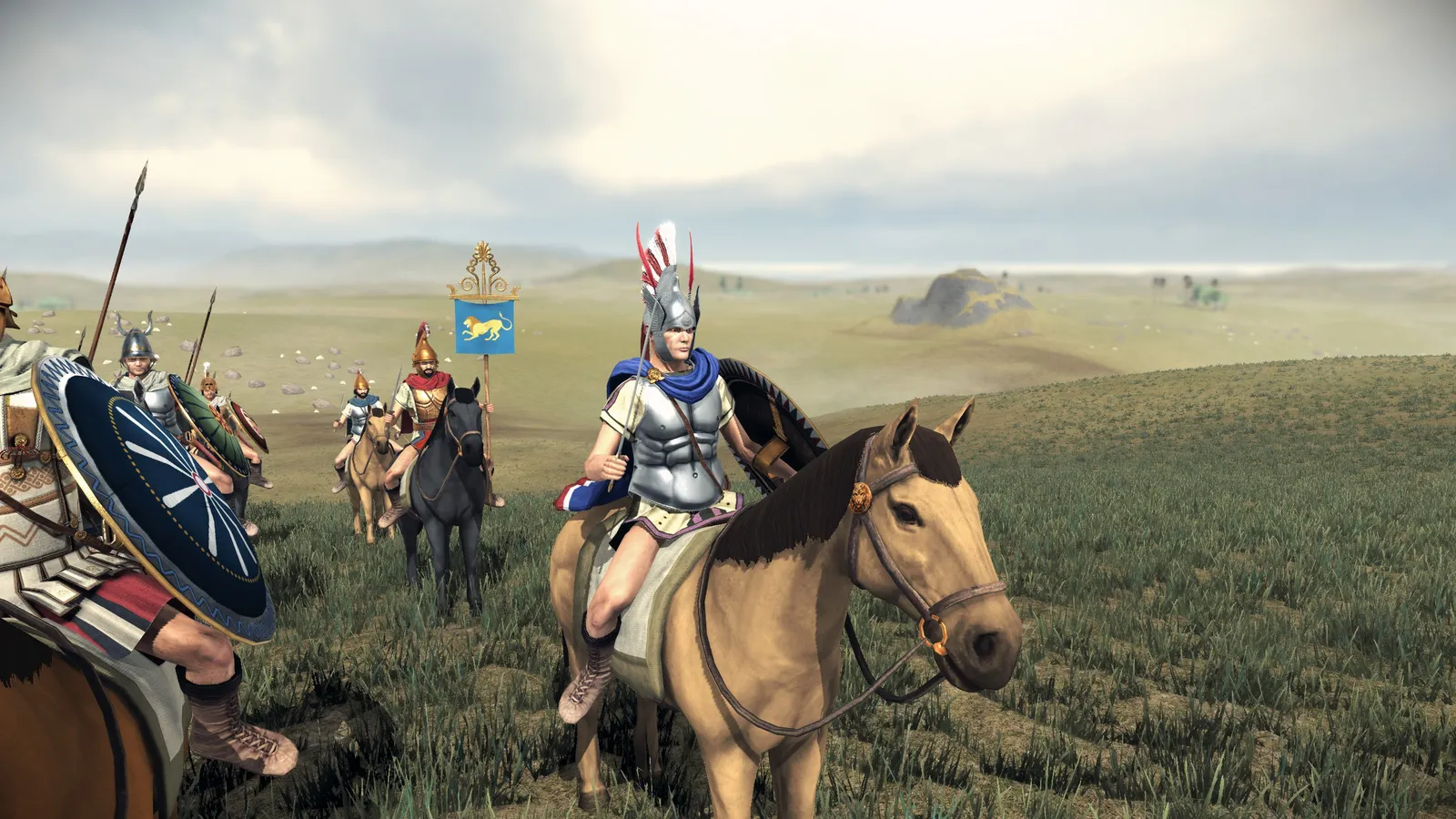
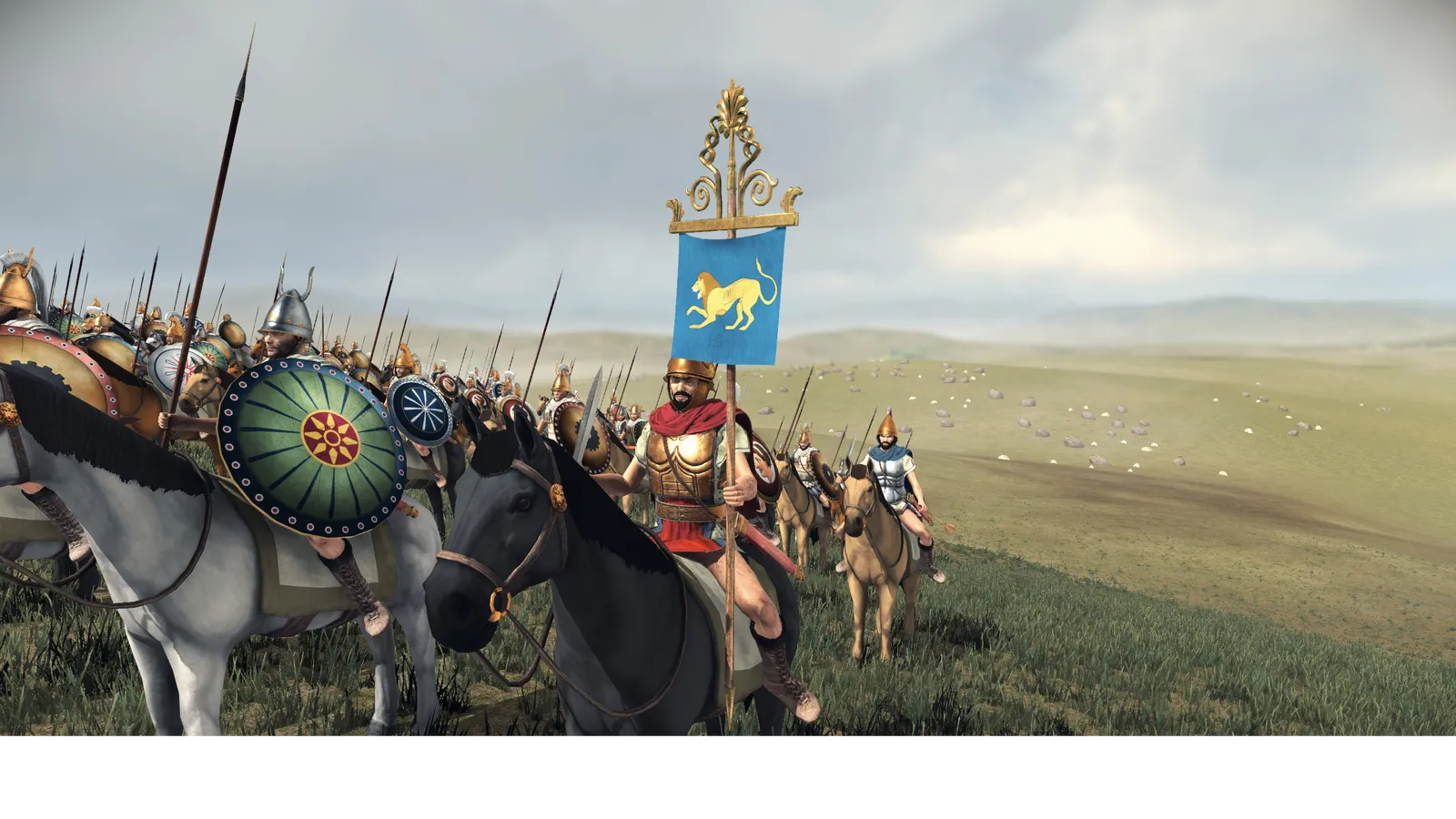
And of course, finally, some action shots:
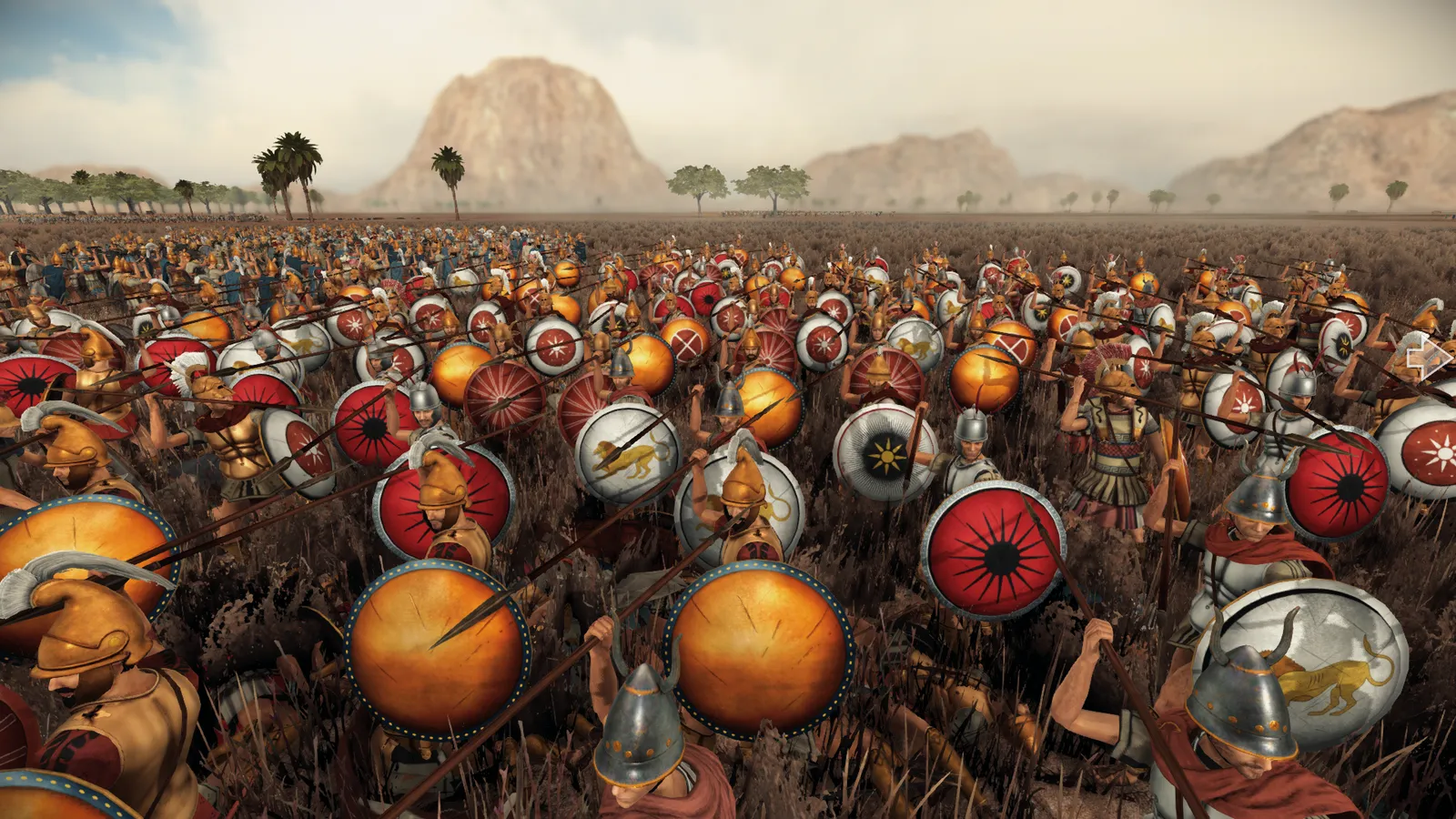
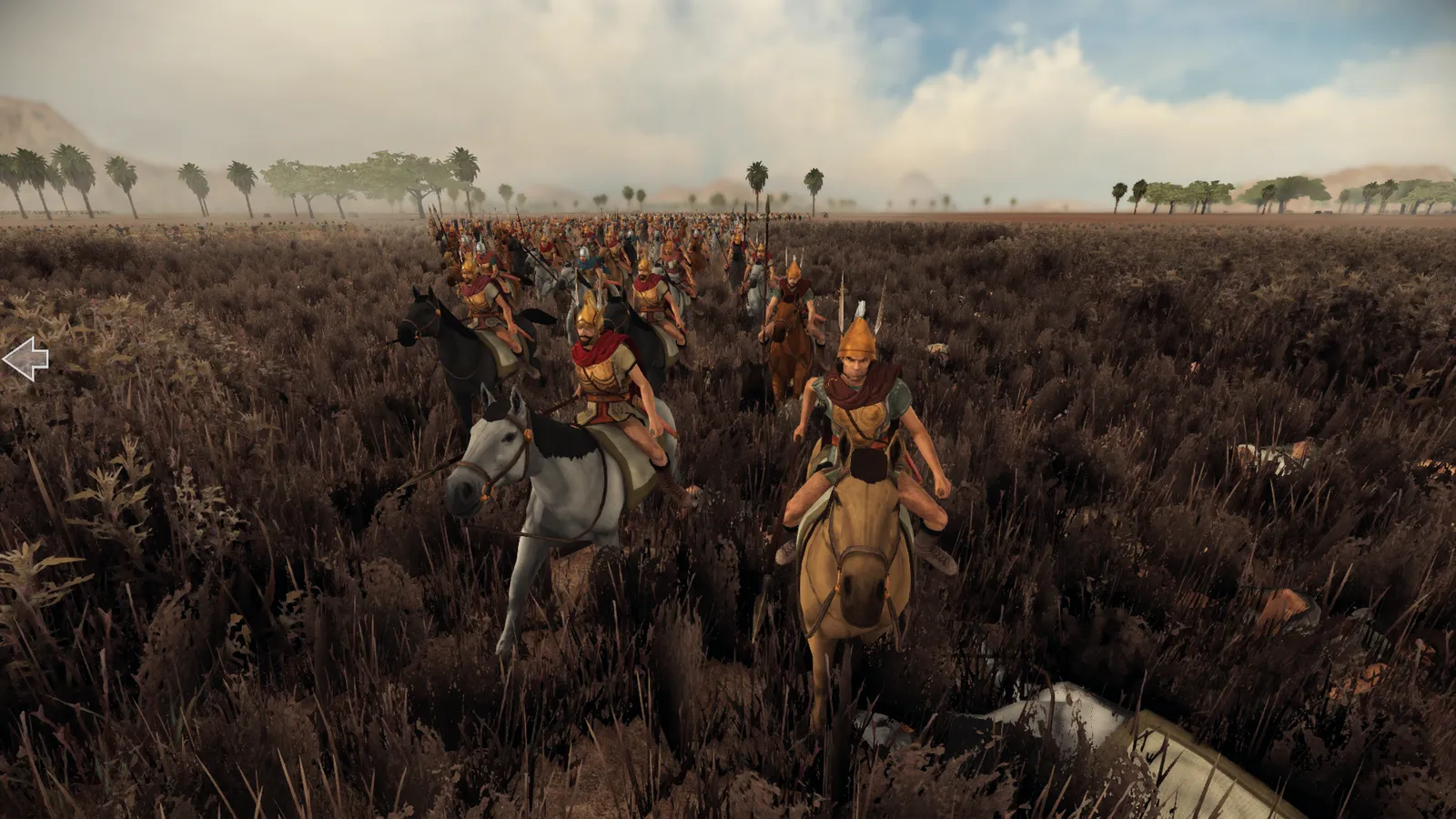
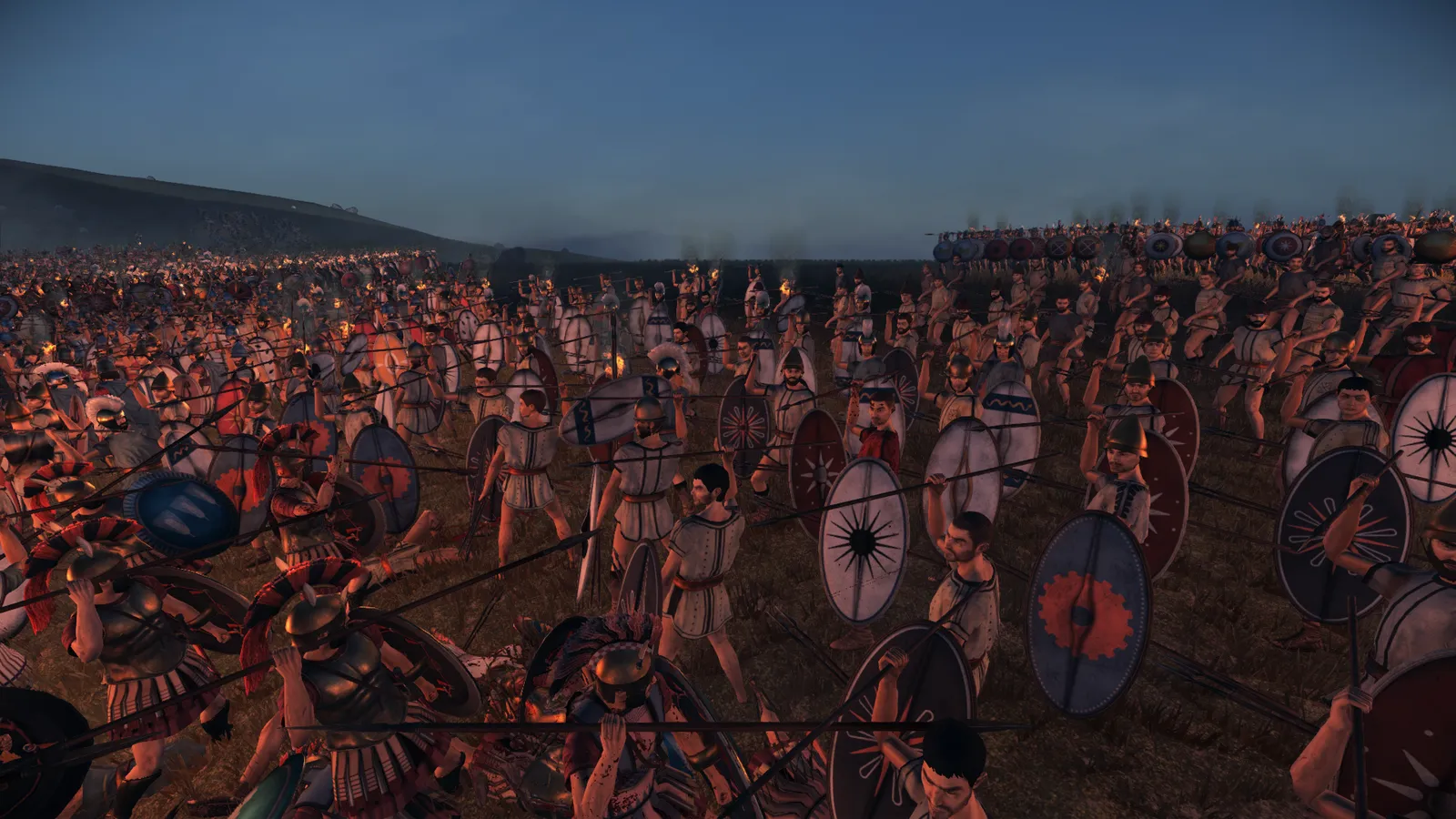
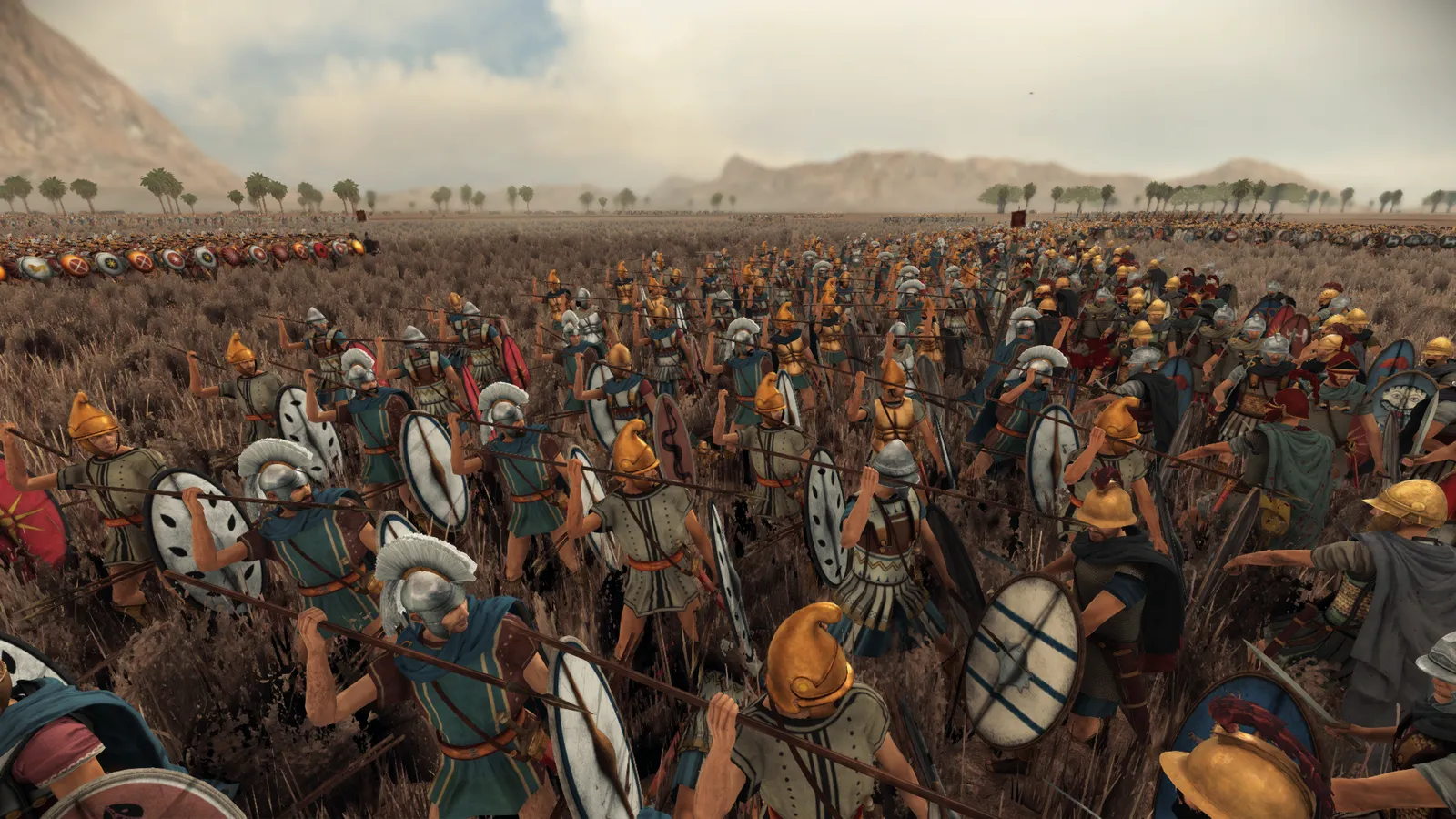
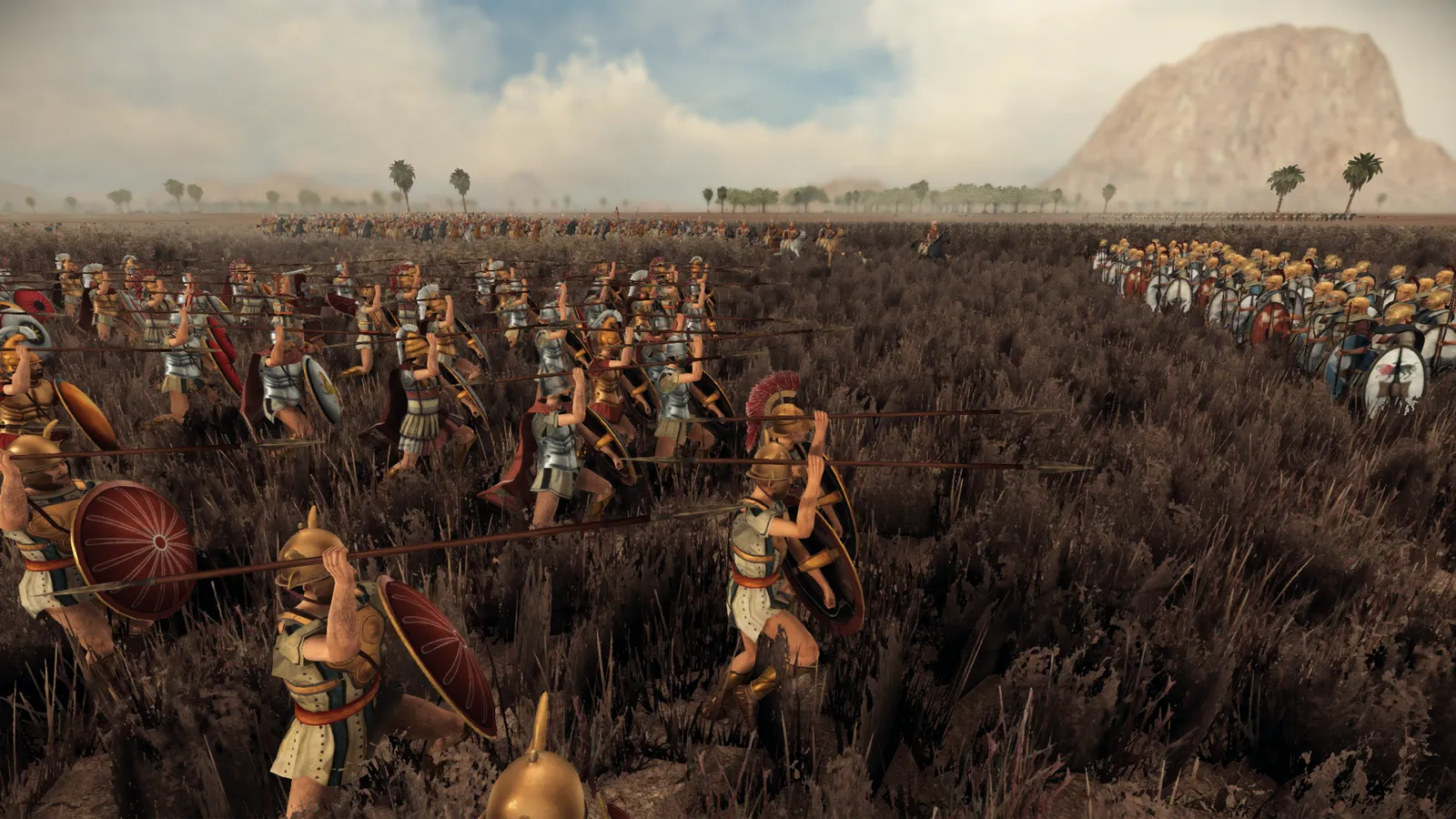
This concludes our Messapian Dev Diary! Feel free to discuss it in out a channel as always and see you for the next one!