Data Modeling Flashcards - 401-advanced-javascript-davetrost/alchemy-fsjs-fall-2019 GitHub Wiki
Data Model
A data model is a conceptual representation of the data to be stored in a Database:
- Data objects
- The associations between different data objects
- The rules
Entity Relationship Model/Diagram (E-R or ERD)
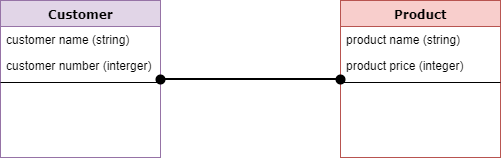
A structural diagram for use in database design. An ERD contains different symbols and connectors that visualize two important information: the major entities within the system scope and the inter-relationships among the entities.
Conceptual Data Model
This ERD defines WHAT the system contains. The model is typically created by Business stakeholders and Data Architects. The purpose is to organize, scope and define business concepts and rules.

Logical Data Model
This ERD defines HOW the system should be implemented, regardless of the DBMS. This model is typically created by Data Architects and Business Analysts. The purpose is to developed technical map of rules and data structures.
Physical Data Model
This ERD describes HOW the system will be implemented using a specific DBMS system. This model is typically created by DBA and developers. The purpose is actual implementation of the database.

Entity
A real-world thing that is represented in the ERD
Attribute
A characteristic or property of an entity that is represented in the ERD
Relationship
A dependency or association between two entities in the ERD
Database Management System (DBMS)
A DBMS is a software package designed to define, manipulate, retrieve and manage data in a database. A DBMS generally manipulates the data itself, the data format, field names, record structure and file structure. It also defines rules to validate and manipulate this data.
Unified Modeling Language (UML)
A general-purpose, developmental, modeling language in the field of software engineering that is intended to provide a standard way to visualize the design of a system. Often used for comparison of what a ERD is not.
